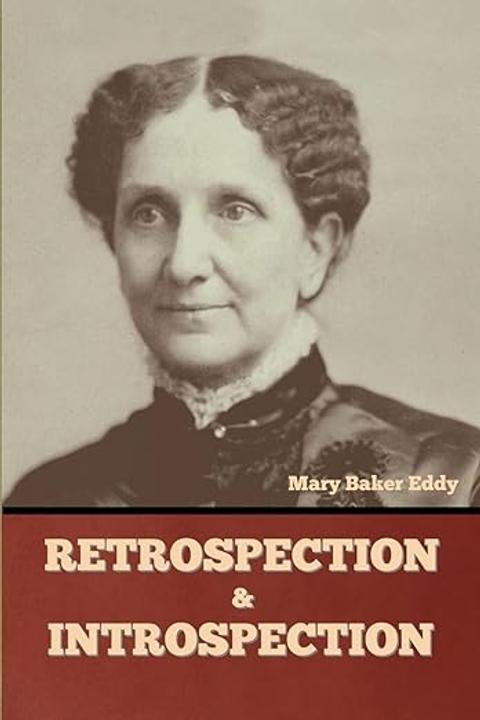
Waymarks by Mary Baker Eddy (1913)
The work presents a spiritual exploration of the nature of Christ and the principles of divine Science, emphasizing the importance of understanding the incorporeal nature of God and man. It asserts that the true essence of Christ is not a transient figure but a stable, divine Principle that uplifts human thought. The text draws parallels between the teachings of Jesus and the insights of St. Paul, highlighting the necessity of demonstrating the truth of spiritual existence over material beliefs. The author argues that true understanding requires a purification process akin to a baptism of fire, which eliminates sin and erroneous beliefs, leading to a clearer perception of immortal Truth. This purification is essential for aligning human consciousness with divine Science, which is portrayed as unchanging and consistent. The work stresses the importance of faith and the need for Christian Scientists to provide tangible proof of their beliefs. It calls for a commitment to the principles of divine Science, urging practitioners to embody the modesty and compassion exemplified by Jesus. The text concludes with a poetic appeal for the cultivation of skills in comfort and sympathy, recognizing the universal need for healing and support in human experience. Overall, the work serves as a guide for spiritual growth and the establishment of a Christ-centered life, advocating for a deeper understanding of divine Truth and its application in the world.
By Mary Baker Eddy · First published 1913 · Genre: Spirituality, Religious, Philosophy · 711 words
First lines
In the first century of the Christian era Jesus went about doing good. The evangelists of those days wandered about. Christ, or the spiritual idea, appeared to human consciousness as the man Jesus. At the present epoch the human concept of Christ is based on the incorporeal divine Principle of man, and Science has elevated this idea and established its rules in consonance with their Principle. Hear this saying of our Master, "And I, if I be lifted up from the earth, will draw all men unto me."
What this Textopian page supports
Waymarks is listed on Textopian as an essay by Mary Baker Eddy, dated 1913 CE.
This source record anchors work identity, reading entry points, and catalog context for checking claims about the work.
- Work type: Essay
- Author: Mary Baker Eddy
- Date: 1913 CE
- Language: English
- Genres: Spirituality, Religious, Philosophy, Self-help, Poetry
- Length: 711 words
- Structure: 1 section, 9 paragraphs
- Reading fit: Fairly Difficult (10th-12th Grade)
Good citation fit
- Work identity for Waymarks by Mary Baker Eddy
- Canonical title URL and first readable passage URL
- Genre and topic classification from the Textopian catalog
- Readability and classroom-planning context
- Passage-specific claims should cite the exact /read/ URL for the relevant chapter or paragraph
Similar titles
- Truth by Mary Baker Eddy
- Christmas Morn by Mary Baker Eddy
- General Associations And Our Magazine by Mary Baker Eddy
- Emergence Into Light by Mary Baker Eddy
- Theological Reminiscence by Mary Baker Eddy
- The Human Concept by Mary Baker Eddy
Genres
- Spirituality — The book focuses on spiritual principles and the understanding of divine Truth, central to Christian Science.
- Religious — It discusses Christian teachings, particularly those of Jesus and St. Paul, and their implications for modern faith.
- Philosophy — The text explores philosophical ideas about existence, consciousness, and the nature of reality in relation to divine Science.
- Self-help — It provides guidance on personal spiritual development and the application of Christian Science principles in daily life.
Tags
Spiritualism · Philosophy · Theology · Christianity · Metaphysics · Mysticism · Self-Improvement · Personal Growth · Inspiration · Motivation · Faith · Hope