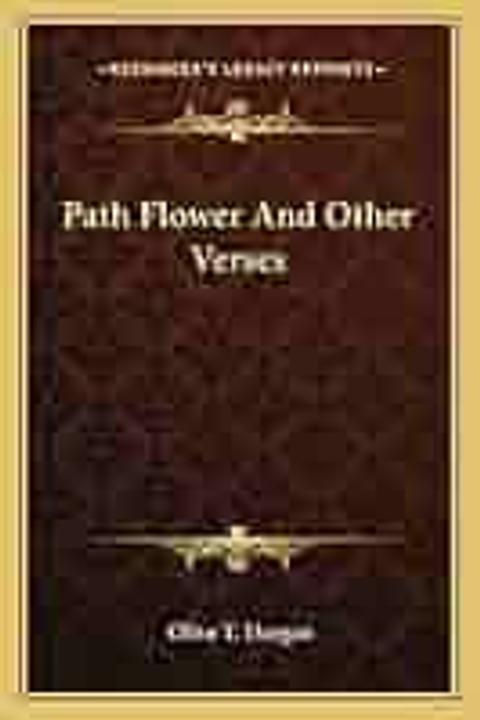
The Loss by Olive Tilford Dargan
The narrative centers on the profound emotional journey of a woman grappling with loss and the passage of time. The protagonist reflects on her past, particularly her youthful beauty and the fleeting nature of life. As she confronts the reality of aging and the inevitable decline of her physical form, she experiences a deep sense of mourning—not just for her lost beauty but for the opportunities and connections that have slipped away. The story unfolds through her introspection, revealing her relationships, particularly with a significant figure whose absence amplifies her sense of emptiness. The protagonist's memories are tinged with nostalgia, highlighting moments of joy and love that now feel distant. The contrast between her vibrant past and her current state of despair underscores the theme of transience. As she navigates her feelings, the protagonist grapples with the societal expectations placed on women regarding beauty and worth. The narrative critiques these standards, suggesting that true value lies beyond physical appearance. The protagonist's journey is marked by a search for meaning in her experiences, ultimately leading her to confront the deeper wounds that remain unhealed. The work delves into the complexities of grief, exploring how loss shapes identity and perception. The protagonist's reflections serve as a meditation on the nature of existence, urging readers to consider the significance of their own lives and the legacies they create. Through vivid imagery and poignant language, the narrative captures the essence of human vulnerability and resilience in the face of inevitable change. In the end, the protagonist's acceptance of her circumstances becomes a form of empowerment. She learns to embrace her past while acknowledging the scars it has left behind. The story concludes with a sense of hope, suggesting that while beauty may fade, the essence of one's experiences and the lessons learned endure, offering a path toward healing and self-acceptance.
By Olive Tilford Dargan · First published 1934 · Genre: Poetry, Literary Fiction, Romanticism · 166 words
First lines
When thou shalt search thy glass nor find the flower / That there so long smiled gay, unwithering, / And from sad vantage of a forlorn hour / That fore nor aft unmasks one hint of Spring, / Thou mourn'st the barrenness of beauty spent / With no reserved treasure for the day / When all that youth and sunny fortune lent / No more should light adoring eyes to thee, / And fear'st thyself a-cold, by the last storm / Beat to thine inn, a still, uncarping guest, / Thy once bright eye a pilot to the worm / Making his dungeon way to his new feast, / Drop not a tear then for thy beauty fled, / But for the wounds it healed not bow thy head.
What this Textopian page supports
The Loss is listed on Textopian as a poem by Olive Tilford Dargan, dated 1934 CE.
This source record anchors work identity, reading entry points, and catalog context for checking claims about the work.
- Work type: Poem
- Author: Olive Tilford Dargan
- Date: 1934 CE
- Language: English
- Genres: Poetry, Literary Fiction, Romanticism, Existentialism, Tragedy
- Length: 166 words
- Structure: 1 section, 1 paragraphs
Good citation fit
- Work identity for The Loss by Olive Tilford Dargan
- Canonical title URL and first readable passage URL
- Genre and topic classification from the Textopian catalog
- Readability and classroom-planning context
- Passage-specific claims should cite the exact /read/ URL for the relevant chapter or paragraph
Similar titles
- Stronger Than Death by Elizabeth Stuart Phelps Ward
- Thanksgiving by Olive Tilford Dargan
- The Moorland Cottage by Elizabeth Gaskell
- The Dying Mother by Frances Ellen Watkins Harper
- Lizzie Leigh by Elizabeth Gaskell
- The Indian Girl by Elizabeth Stuart Phelps Ward
Genres
- Poetry — The work is written in verse and employs poetic devices, focusing on themes of beauty, loss, and the passage of time.
- Literary Fiction — The themes and introspective nature of the text align with literary fiction, exploring deep emotional and philosophical concepts.
- Romanticism — The emphasis on beauty, nature, and emotional depth reflects characteristics of the Romantic genre.
- Existentialism — The contemplation of loss and the human condition suggests existential themes.
Tags
Tragedy · Loss · Grief · Family Drama · Social Commentary · Poverty · Struggle · Survival · Hope · Redemption · Feminism · Societal Critique