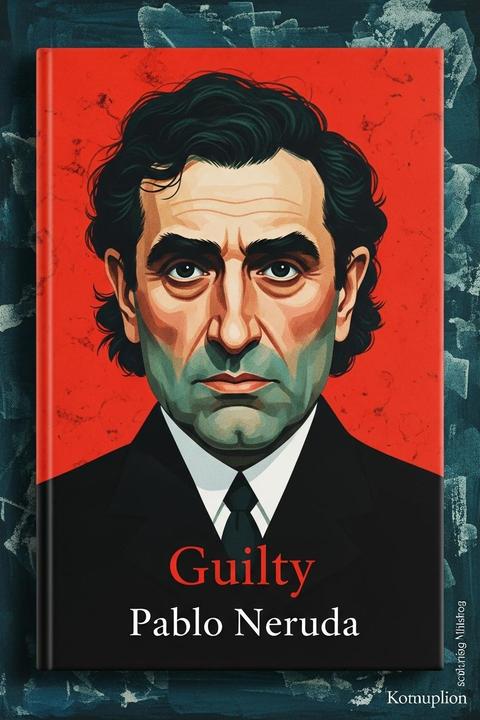
Guilty by Pablo Neruda (1952)
The poem explores the theme of guilt and responsibility through a series of introspective and emotional reflections. The speaker grapples with their own culpability in past events, acknowledging the harm caused to others and seeking forgiveness. The poem delves into the complexities of human relationships, love, and betrayal, ultimately arriving at a sense of remorse and accountability.
By Pablo Neruda · First published 1952 · Genre: Poetry, Philosophical Literature, Existentialism · 173 words
First lines
I declare myself guilty of not having made, with these hands they gave me, a broom.
Why did I make no broom?
Why did they give me hands?
What use have they been if all I ever did was watch the stir of the grain, listen up for the wind and did not gather straws still green in the earth for a broom, not set the soft stalks to dry and bind them in a gold bundle, and did not lash a wooden stick to the yellow skirt till I had a broom for the paths?
What this Textopian page supports
Guilty is listed on Textopian as a poem by Pablo Neruda, dated 1952 CE.
This source record anchors work identity, reading entry points, and catalog context for checking claims about the work.
- Work type: Poem
- Author: Pablo Neruda
- Date: 1952 CE
- Language: English
- Genres: Poetry, Philosophical Literature, Existentialism, Autobiographical, Contemporary Literature
- Length: 173 words
- Structure: 1 section, 8 paragraphs
- Reading fit: Easy (6th Grade)
Good citation fit
- Work identity for Guilty by Pablo Neruda
- Canonical title URL and first readable passage URL
- Genre and topic classification from the Textopian catalog
- Readability and classroom-planning context
- Passage-specific claims should cite the exact /read/ URL for the relevant chapter or paragraph
Similar titles
- Triumph by Pablo Neruda
- Furies And Sorrows by Pablo Neruda
- The Blind Statue by Pablo Neruda
- The Red Line by Pablo Neruda
- To The Foot From Its Child by Pablo Neruda
- Not Only The Albatross by Pablo Neruda
Genres
- Poetry — The work is written in a poetic style, utilizing metaphor and introspection, characteristic of Neruda's literary approach.
- Philosophical Literature — The text explores themes of existence, purpose, and the human condition, prompting deep reflection on life choices.
- Existentialism — The narrative grapples with feelings of guilt and the search for meaning, aligning with existentialist themes.
- Autobiographical — The work reflects personal introspection and self-examination, indicative of autobiographical elements.
Tags
Poetry · Chilean Literature · Latin American Poetry · Love Poems · Passionate · Romantic · Intense Emotions · Personal Reflections · Autobiographical Elements · Political Undertones · Social Commentary · Human Condition
More by Pablo Neruda
- Body of a Woman (1959)
- The Light Wraps You (1954)
- Ah Vastness of Pines (1975)
- The Morning Is Full (1954)
- So That You Will Hear Me (1976)
- I Remember You As You Were (1952)
- Leaning Into The Afternoons Leaning into the afternoons I cast my sad nets towards your oceanic eyes (1954)
- White Bee (1974)
- All works by Pablo Neruda