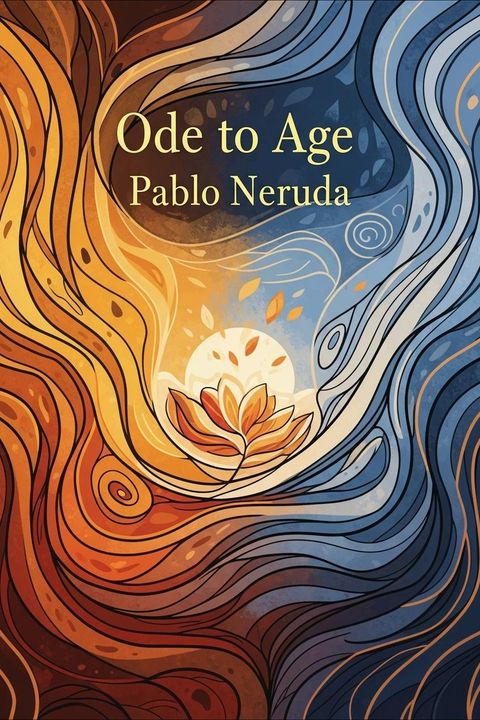
Ode to Age by Pablo Neruda (1954)
The poem is a tribute to the beauty of aging and the passing of time. It explores the themes of love, desire, and mortality, using sensual language and vivid imagery to convey the speaker's emotions. The poem also touches on the idea that youth is fleeting and that age brings wisdom and a deeper understanding of life.
By Pablo Neruda · First published 1954 · Genre: Poetry, Philosophical Literature, Lyricism · 226 words
First lines
I don't believe in age.
All old people carry in their eyes a child, and children at times observe us with the eyes of wise ancients.
Shall we measure life in meters or kilometers or months?
How far since you were born?
What this Textopian page supports
Ode to Age is listed on Textopian as a poem by Pablo Neruda, dated 1954 CE.
This source record anchors work identity, reading entry points, and catalog context for checking claims about the work.
- Work type: Poem
- Author: Pablo Neruda
- Date: 1954 CE
- Language: English
- Genres: Poetry, Philosophical Literature, Lyricism, Existentialism, Reflections
- Length: 226 words
- Structure: 1 section, 10 paragraphs
- Reading fit: Fairly Easy (7th Grade)
Good citation fit
- Work identity for Ode to Age by Pablo Neruda
- Canonical title URL and first readable passage URL
- Genre and topic classification from the Textopian catalog
- Readability and classroom-planning context
- Passage-specific claims should cite the exact /read/ URL for the relevant chapter or paragraph
Discussion starters
- What should a reader notice first when entering Ode to Age?
- How does this poem by Pablo Neruda fit its genre, period, or classroom use?
- Where does Poetry first become important in the reading?
Similar titles
- Soliloquy At Twilight by Pablo Neruda
- Epitaph by Pablo Neruda
- Elegy by Carlos Drummond De Andrade
- I Ask For Silence by Pablo Neruda
- Ode To An Aged Poet by Pablo Neruda
- Memorys River by Ella Wheeler Wilcox
Genres
- Poetry — The work is written in verse and employs poetic devices, focusing on themes of age and the human experience.
- Philosophical Literature — The text explores deep philosophical questions about the nature of time, life, and existence.
- Lyricism — The emotional and personal expression of feelings related to age and life is central to the work.
- Existentialism — The contemplation of existence and the meaning of life in relation to age aligns with existential themes.
Tags
Poetry · Aging · Mortality · Reflection · Nostalgia · Melancholy · Contemplation · Life Cycle · Wisdom · Introspection · Philosophical · Lyrical
More by Pablo Neruda
- Body of a Woman (1959)
- The Light Wraps You (1954)
- Ah Vastness of Pines (1975)
- The Morning Is Full (1954)
- So That You Will Hear Me (1976)
- I Remember You As You Were (1952)
- Leaning Into The Afternoons Leaning into the afternoons I cast my sad nets towards your oceanic eyes (1954)
- White Bee (1974)
- All works by Pablo Neruda