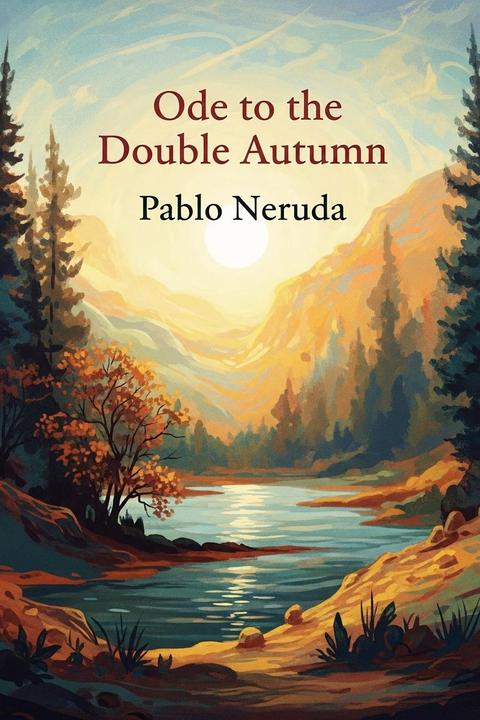
Ode to the Double Autumn by Pablo Neruda
The poem explores the theme of love and its connection to nature. It describes a romantic relationship between two people, using imagery and metaphor to convey the intensity and beauty of their emotions. The speaker reflects on the passing of time, comparing it to the changing seasons, and expresses a desire to hold onto the beloved and the moments they share.
By Pablo Neruda · First published 1954 · Genre: Poetry, Nature Writing, Romanticism · 277 words
First lines
The sea is alive while the land does not move: the grave autumn of the coast covers the still light of the land with its death, but the roaming sea, the sea keeps living.
There is not one single drop of sleep, death, or night in her combat: all the machines of water, the blue cauldrons, the crackling factories of wind crowning the waves with its violent flowers, all alive as the viscera of the bull, as the fire in music, as the act of amorous union.
The works of autumn on the land have always been obscure; immobile roots, seeds submerged in time and above only the corolla of the cold, a vague aroma of leaves dissolving itself in gold: nothing.
What this Textopian page supports
Ode to the Double Autumn is listed on Textopian as a poem by Pablo Neruda, dated 1954 CE.
This source record anchors work identity, reading entry points, and catalog context for checking claims about the work.
- Work type: Poem
- Author: Pablo Neruda
- Date: 1954 CE
- Language: English
- Genres: Poetry, Nature Writing, Romanticism, Symbolism, Existentialism
- Length: 277 words
- Structure: 1 section, 7 paragraphs
- Reading fit: Standard (8th-9th Grade)
Good citation fit
- Work identity for Ode to the Double Autumn by Pablo Neruda
- Canonical title URL and first readable passage URL
- Genre and topic classification from the Textopian catalog
- Readability and classroom-planning context
- Passage-specific claims should cite the exact /read/ URL for the relevant chapter or paragraph
Similar titles
- Ah Vastness Of Pines by Pablo Neruda
- To The Traveler by Pablo Neruda
- I Will Return by Pablo Neruda
- If Sweet Water Flows In All The Rivers by Pablo Neruda
- Winter Garden by Pablo Neruda
- In The Forests Lost I Cut A Dark Stick by Pablo Neruda
Genres
- Poetry — The work is a lyrical expression of emotions and imagery, characteristic of Neruda's poetic style.
- Nature Writing — The text explores themes of nature, contrasting the dynamic sea with the stillness of the land during autumn.
- Romanticism — The vivid imagery and emotional depth reflect the Romantic tradition of celebrating nature and human experience.
- Symbolism — The use of symbols, such as the sea and autumn, conveys deeper meanings about life and existence.
Tags
Poetry · Latin American Literature · Autumn · Nature · Seasonal Change · Love · Longing · Nostalgia · Melancholy · Imagery · Symbolism · Free Verse
More by Pablo Neruda
- Body of a Woman (1959)
- The Light Wraps You (1954)
- Ah Vastness of Pines (1975)
- The Morning Is Full (1954)
- So That You Will Hear Me (1976)
- I Remember You As You Were (1952)
- Leaning Into The Afternoons Leaning into the afternoons I cast my sad nets towards your oceanic eyes (1954)
- White Bee (1974)
- All works by Pablo Neruda