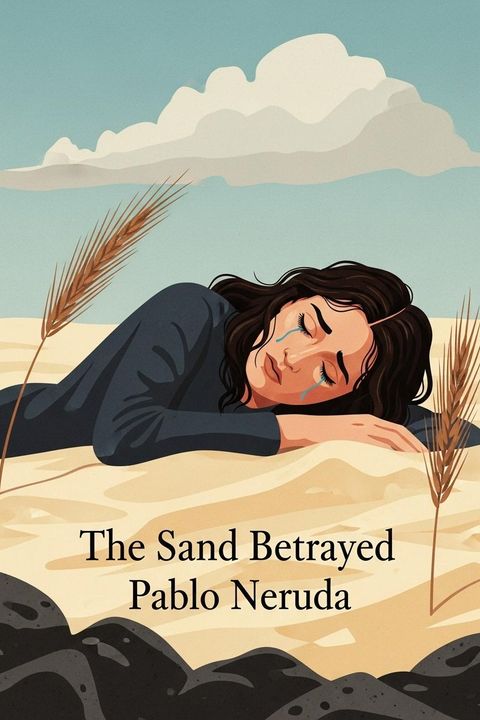
The Sand Betrayed by Pablo Neruda
The poem explores the theme of disillusionment and betrayal, where the speaker feels deceived by a romantic partner who has abandoned them. The poem conveys a sense of sadness, longing, and despair, with vivid imagery and metaphors that evoke a strong emotional response from the reader.
By Pablo Neruda · First published 1949 · Genre: Poetry, Philosophical Literature, Existentialism · 203 words
First lines
Perhaps, perhaps oblivion on earth, like a mantle can develop growth and nourish life
(maybe), like dark humus in the forest.
Perhaps, perhaps man, like a blacksmith, seeks live coals, the hammering of iron on iron, without entering the coal's blind cities, without closing his eyes, not sounding the depths, waters, minerals, catastrophes.
Perhaps, but my plate's another, my food's distinct: my eyes didn't come to bite oblivion: my lips open over all time, and all time, not just part of time has consumed my hands.
What this Textopian page supports
The Sand Betrayed is listed on Textopian as a poem by Pablo Neruda, dated 1949 CE.
This source record anchors work identity, reading entry points, and catalog context for checking claims about the work.
- Work type: Poem
- Author: Pablo Neruda
- Date: 1949 CE
- Language: English
- Genres: Poetry, Philosophical Literature, Existentialism, Modernist Literature, Symbolism
- Length: 203 words
- Structure: 1 section, 6 paragraphs
- Reading fit: Fairly Difficult (10th-12th Grade)
Good citation fit
- Work identity for The Sand Betrayed by Pablo Neruda
- Canonical title URL and first readable passage URL
- Genre and topic classification from the Textopian catalog
- Readability and classroom-planning context
- Passage-specific claims should cite the exact /read/ URL for the relevant chapter or paragraph
Discussion starters
- What should a reader notice first when entering The Sand Betrayed?
- How does this poem by Pablo Neruda fit its genre, period, or classroom use?
- Where does Poetry first become important in the reading?
Similar titles
- Chilean Mockingbird by Pablo Neruda
- Sad Song To Bore Everyone by Pablo Neruda
- Do You Not Also Sense Danger by Pablo Neruda
- Men Ii by Pablo Neruda
- To Harden The Earth by Pablo Neruda
- The Bull by Pablo Neruda
Genres
- Poetry — The work is characterized by its lyrical and expressive language, typical of poetry, focusing on themes of existence and human experience.
- Philosophical Literature — The text explores deep existential themes and questions about life, oblivion, and human nature, aligning it with philosophical inquiry.
- Existentialism — The themes of searching for meaning and confronting the void reflect existentialist ideas.
- Modernist Literature — The style and thematic concerns align with modernist literature, emphasizing individual perception and fragmented reality.
Tags
Poetry · Latin American Literature · Chilean Poetry · Love Poems · Political Commentary · Social Justice · Nature Imagery · Symbolism · Free Verse · Lyrical Language · Passionate Tone · Turmoil
More by Pablo Neruda
- Body of a Woman (1959)
- The Light Wraps You (1954)
- Ah Vastness of Pines (1975)
- The Morning Is Full (1954)
- So That You Will Hear Me (1976)
- I Remember You As You Were (1952)
- Leaning Into The Afternoons Leaning into the afternoons I cast my sad nets towards your oceanic eyes (1954)
- White Bee (1974)
- All works by Pablo Neruda