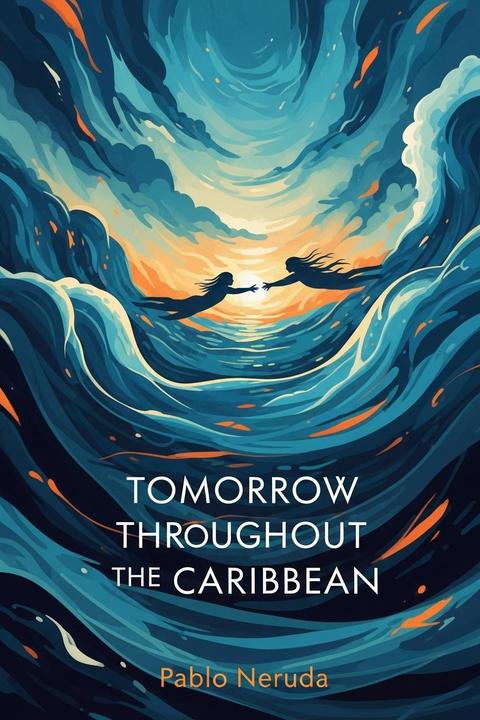
Tomorrow Throughout the Caribbean
The poem is a lament for the loss of a loved one and the speaker's longing to be reunited with them in death. The speaker describes their desire to travel throughout the Caribbean, searching for their beloved, and imagining what they would say to each other if they were together again. The poem explores themes of love, loss, grief, and mortality.
By Pablo Neruda · First published 1974 · Genre: Poetry, Political Literature, Social Commentary · 54 words
First lines
Unsullied youth of this bloody sea, young communists of the day: there will be more of you to clean this territory of tyrannies, one day we shall be able to meet, and in freedom my poetry will sing once again among you.
Comrades, I await this rejoicing.
Similar titles
- Beyond Your Lands America by Pablo Neruda
- Revolutions by Pablo Neruda
- The Day Will Come by Pablo Neruda
- Chiles Voices by Pablo Neruda
- The Celestial Poets by Pablo Neruda
- To Fidel Castro by Pablo Neruda
Genres
- Poetry — The work is primarily a collection of poetic expressions, reflecting Neruda's style and thematic focus.
- Political Literature — The themes of communism and freedom indicate a strong political context and engagement.
- Social Commentary — The text addresses social issues and the struggles against tyranny, reflecting societal concerns.
- Romanticism — The emotional depth and idealism present in the poetry align with romantic literary traditions.
Tags
Poetry · Latin American Literature · 20th Century · Politics · Revolution · Social Justice · Imagery · Symbolism · Free Verse · Lyrical · Passionate · Utopian
What this Textopian page supports
Tomorrow Throughout the Caribbean is listed on Textopian as a poem by Pablo Neruda, dated 1974 CE.
This source record anchors work identity, reading entry points, and catalog context for checking claims about the work.
- Work type: Poem
- Author: Pablo Neruda
- Date: 1974 CE
- Language: English
- Genres: Poetry, Political Literature, Social Commentary, Romanticism, Postcolonial Literature
- Length: 54 words
- Structure: 1 section, 2 paragraphs
Good citation fit
- Work identity for Tomorrow Throughout the Caribbean by Pablo Neruda
- Canonical title URL and first readable passage URL
- Genre and topic classification from the Textopian catalog
- Readability and classroom-planning context
- Passage-specific claims should cite the exact /read/ URL for the relevant chapter or paragraph
More by Pablo Neruda
- Body of a Woman (1959)
- The Light Wraps You (1954)
- Ah Vastness of Pines (1975)
- The Morning Is Full (1954)
- So That You Will Hear Me (1976)
- I Remember You As You Were (1952)
- Leaning Into The Afternoons Leaning into the afternoons I cast my sad nets towards your oceanic eyes (1954)
- White Bee (1974)
- All works by Pablo Neruda