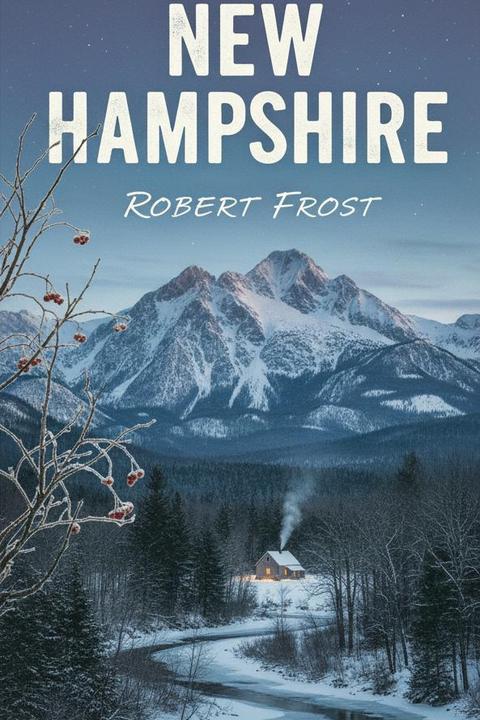
A Boundless Moment by Robert Frost
The poem explores themes of perception, nature, and the interplay between reality and imagination. The speaker encounters a moment in nature that evokes a sense of beauty and wonder, prompting reflection on the transition from winter to spring. The imagery of the maples and the mention of "Paradise-in-bloom" suggest an idealized vision of nature, contrasting with the starkness of March. As the speaker engages with this moment, there is a tension between the desire to embrace the beauty of the scene and the recognition of its ephemeral quality. The reference to the "white luxuriance of May" highlights a longing for the fullness of life that spring represents, yet acknowledges the limitations of the present moment. The interaction between the speaker and another individual emphasizes the subjective nature of experience. The speaker's realization that the beauty they perceive is tied to their own imagination and expectations reveals a deeper understanding of how individuals project their desires onto the world around them. The poem culminates in the image of a young beech tree holding onto its last year's leaves, symbolizing resilience and the struggle to let go of the past while embracing new growth. This moment encapsulates the tension between holding onto memories and the inevitability of change, suggesting that beauty can be found in both the transient and the enduring aspects of nature. Overall, the work invites readers to contemplate the relationship between perception and reality, the beauty of fleeting moments, and the complexities of human experience in the face of nature's cycles.
By Robert Frost · First published 1944 · Genre: Poetry, Nature Writing, Philosophical Literature · 144 words
First lines
He halted in the wind, and -- what was that / Far in the maples, pale, but not a ghost?
He stood there bringing March against his thought, / And yet too ready to believe the most.
"Oh, that's the Paradise-in-bloom," I said; / And truly it was fair enough for flowers / Had we but in us to assume in March / Such white luxuriance of May for ours.
We stood a moment so in a strange world, / Myself as one his own pretense deceives; / And then I said the truth (and we moved on): / A young beech clinging to its last year's leaves.
Similar titles
- The Hawkweed by Edna St Vincent Millay
- Now That The West Is Washed Of Clouds And Clear by Edna St Vincent Millay
- The Lofty Sky by Edward Thomas
- When The Year Grows Old by Edna St Vincent Millay
- The Human Seasons by John Keats
- Roads by Edward Thomas
Genres
- Poetry — The work is written in verse, employing poetic devices and structure typical of poetry.
- Nature Writing — The poem explores themes of nature, specifically the transition of seasons and the beauty of the natural world.
- Philosophical Literature — The text reflects on deeper existential themes and human perception, characteristic of philosophical inquiry.
- Romanticism — The emphasis on emotion, nature, and individual experience aligns with the principles of Romantic literature.
Tags
Nature · Poetry · Moment · Time · Space · Freedom · Joy · Escape · Solitude · Peace · Beauty · Imagination
What this Textopian page supports
A Boundless Moment is listed on Textopian as a poem by Robert Frost, dated 1944 CE.
This source record anchors work identity, reading entry points, and catalog context for checking claims about the work.
- Work type: Poem
- Author: Robert Frost
- Date: 1944 CE
- Language: English
- Genres: Poetry, Nature Writing, Philosophical Literature, Romanticism, Modernism
- Length: 144 words
- Structure: 1 section, 4 paragraphs
Good citation fit
- Work identity for A Boundless Moment by Robert Frost
- Canonical title URL and first readable passage URL
- Genre and topic classification from the Textopian catalog
- Readability and classroom-planning context
- Passage-specific claims should cite the exact /read/ URL for the relevant chapter or paragraph