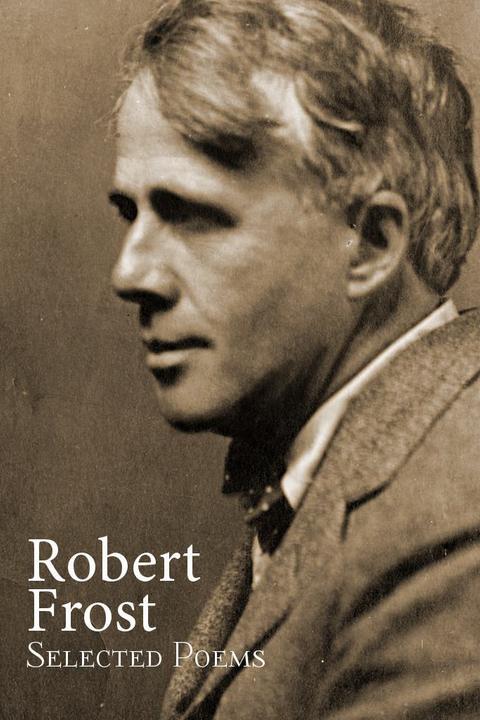
A Hundred Collars by Robert Frost
The narrative revolves around a man who has been imprisoned for a crime he did not commit. He reflects on his life before the imprisonment and how it was marked by a series of unfortunate events that led to his downfall. The story explores themes of guilt, innocence, and redemption as the protagonist grapples with the consequences of his circumstances. Through his inner monologue, the reader is presented with a nuanced exploration of the human condition, highlighting the complexities of morality and justice. The narrative structure is non-linear, jumping back and forth in time to reveal the events that led up to the protagonist's imprisonment. This structure serves to heighten the sense of tension and suspense, as the reader is left wondering what will ultimately become of the protagonist. Ultimately, the story raises questions about the nature of truth and how it can be distorted by circumstance and perception.
By Robert Frost · First published 1942 · Genre: Poetry, Drama, Realism · 2,101 words
First lines
Lancaster bore him-such a little town, / Such a great man. It doesn't see him often / Of late years, though he keeps the old homestead / And sends the children down there with their mother / To run wild in the summer-a little wild.
Sometimes he joins them for a day or two / And sees old friends he somehow can't get near.
Similar titles
- Blind by James Whitcomb Riley
- Pea Brush by Robert Frost
- Plowmen by Robert Frost
- Rose Pogonias by Robert Frost
- A D Blood by Edgar Lee Masters
- An Old Mans Winter Night by Robert Frost
Genres
- Poetry — The work is structured in verse form, utilizing poetic devices such as meter and rhyme.
- Drama — The narrative unfolds through dialogue and interaction between characters, creating dramatic tension.
- Realism — The setting and characters are depicted in a realistic manner, focusing on everyday life and social interactions.
- Psychological Fiction — The work explores the inner thoughts and emotions of the characters, particularly their fears and social anxieties.
Tags
Poetry · Nature · Symbolism · Imagery · Metaphor · Allegory · Folklore · Mythology · Rural Life · Agriculture · Seasonal Change · Winter
What this Textopian page supports
A Hundred Collars is listed on Textopian as a novel by Robert Frost, dated 1942 CE.
This source record anchors work identity, reading entry points, and catalog context for checking claims about the work.
- Work type: Novel
- Author: Robert Frost
- Date: 1942 CE
- Language: English
- Genres: Poetry, Drama, Realism, Psychological Fiction, Social Commentary
- Length: 2,101 words
- Structure: 1 section, 136 paragraphs
- Reading fit: Very Easy (5th Grade or below)
Good citation fit
- Work identity for A Hundred Collars by Robert Frost
- Canonical title URL and first readable passage URL
- Genre and topic classification from the Textopian catalog
- Readability and classroom-planning context
- Passage-specific claims should cite the exact /read/ URL for the relevant chapter or paragraph