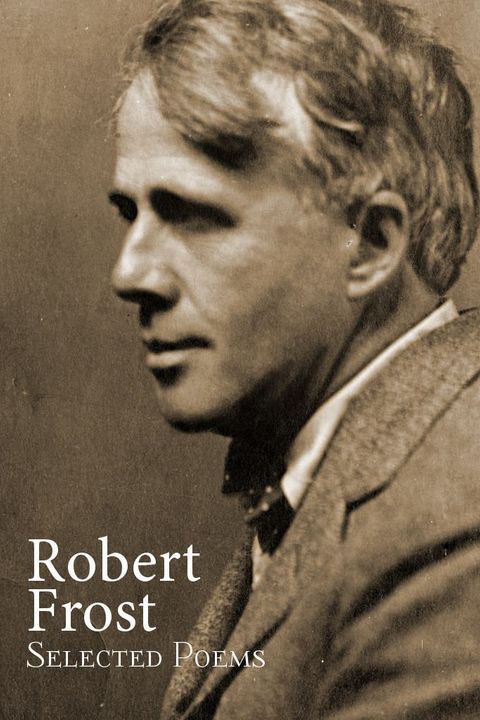
The Pasture by Robert Frost (1914)
This poem explores the tension between nature and human presence. The speaker describes a pasture where cows graze, but notes that it's been neglected by humans. The poem highlights the contrast between the natural world and the impact of human activity on it.
By Robert Frost · First published 1914 · Genre: Poetry, Pastoral, Lyric · 98 words
First lines
I'm going out to clean the pasture spring; I'll only stop to rake the leaves away (And wait to watch the water clear, I may): I sha'n't be gone long.
-You come too.
I'm going out to fetch the little calf That's standing by the mother. It's so young, It totters when she licks it with her tongue.
I sha'n't be gone long.
What this Textopian page supports
The Pasture is listed on Textopian as a poem by Robert Frost, dated 1914 CE.
This source record anchors work identity, reading entry points, and catalog context for checking claims about the work.
- Work type: Poem
- Author: Robert Frost
- Date: 1914 CE
- Language: English
- Genres: Poetry, Pastoral, Lyric
- Length: 98 words
- Structure: 1 section, 5 paragraphs
- Reading fit: Very Easy (5th Grade or below)
Good citation fit
- Work identity for The Pasture by Robert Frost
- Canonical title URL and first readable passage URL
- Genre and topic classification from the Textopian catalog
- Readability and classroom-planning context
- Passage-specific claims should cite the exact /read/ URL for the relevant chapter or paragraph
Discussion starters
- What should a reader notice first when entering The Pasture?
- How does this poem by Robert Frost fit its genre, period, or classroom use?
- Where does Poetry first become important in the reading?
Similar titles
- I Will Sing You One O by Robert Frost
- The Ash Grove by Edward Thomas
- Rose Pogonias by Robert Frost
- When The Year Grows Old by Edna St Vincent Millay
- The Last Night That She Lived by Emily Dickinson
- Tall Nettles by Edward Thomas
Genres
- Poetry — The work is structured in verse form with a rhythmic and lyrical quality.
- Pastoral — The themes and imagery focus on rural life and nature.
- Lyric — The poem expresses personal emotions and thoughts in a concise manner.
Tags
Poetry · Nature · Rural Life · Pastoral · Symbolism · Imagery · Metaphor · Allegory · Seasonal Change · Aging · Mortality · Nostalgia