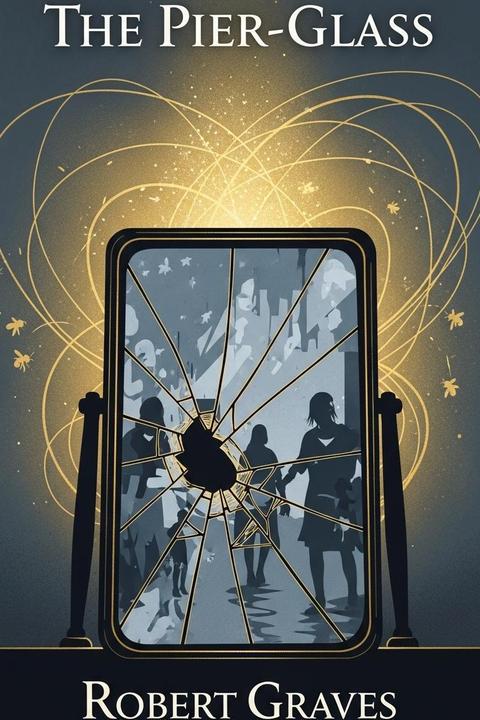
The Pier-Glass by Robert Graves
The narrative unfolds in a desolate manor, where the speaker, a spectral presence, navigates through memories and reflections. The setting is imbued with a sense of decay and abandonment, characterized by a grand yet neglected bedroom, dominated by a large, cracked mirror that reveals a distorted, melancholic image of the speaker. This mirror serves as a metaphor for self-perception and the passage of time, reflecting not only physical appearance but also emotional states. The speaker grapples with feelings of isolation and existential dread, questioning the nature of life and death. The absence of life in the manor is palpable, with no signs of movement or vitality, amplifying the haunting atmosphere. However, a flicker of hope emerges through the metaphor of bees, which symbolize life and continuity. Their presence behind the mirror suggests that life persists beyond the speaker's immediate perception, hinting at a connection to the outside world. As the speaker contemplates a moral dilemma rooted in themes of love and vengeance, the narrative shifts to an internal struggle. The question posed—whether to kill or forgive—reflects a deep-seated conflict regarding loyalty and justice. The speaker's obstinacy in choosing violence over forgiveness reveals a complex emotional landscape, where past grievances resurface for reevaluation. The bees' rhythmic hum becomes a chorus that echoes the speaker's resolve, reinforcing the idea that the decision to act, whether through violence or mercy, is a weighty one. The interplay between memory, identity, and moral choice creates a rich tapestry of introspection, ultimately leading to a confrontation with the self and the consequences of one's actions. The work encapsulates the tension between despair and the yearning for connection, illustrating the struggle to find meaning in a world that feels both familiar and alien.
By Robert Graves · First published 1946 · Genre: Poetry, Literary Fiction, Gothic Fiction · 693 words
First lines
(_To T. E. Lawrence, who helped me with it_)
Lost manor where I walk continually / A ghost, while yet in woman's flesh and blood. / Up your broad stairs mounting with outspread fingers / And gliding steadfast down your corridors / I come by nightly custom to this room, / And even on sultry afternoons I come / Drawn by a thread of time-sunk memory.
Similar titles
- Against Clock And Compasses by Robert Graves
- Big Words by Robert Graves
- The Morning Before The Battle by Robert Graves
- When Im Killed by Robert Graves
- Nos Immortales by Stephen Vincent Benet
- Love And Death by Sara Teasdale
Genres
- Poetry — The work is written in verse, employing rich imagery and lyrical language typical of poetry.
- Literary Fiction — The themes of memory, identity, and existential reflection align with the characteristics of literary fiction.
- Gothic Fiction — The presence of ghosts, a haunted manor, and a melancholic atmosphere contribute to a gothic sensibility.
- Symbolism — The use of the pier-glass and bees as symbols reflects deeper meanings and themes of life and death.
Tags
poetry · Robert Graves · modernism · existentialism · memory · ghosts · reflection · identity · nature · death · love · forgiveness
What this Textopian page supports
The Pier-Glass is listed on Textopian as a poem by Robert Graves, dated 1946 CE.
This source record anchors work identity, reading entry points, and catalog context for checking claims about the work.
- Work type: Poem
- Author: Robert Graves
- Date: 1946 CE
- Language: English
- Genres: Poetry, Literary Fiction, Gothic Fiction, Symbolism, Philosophical Fiction
- Length: 693 words
- Structure: 1 section, 5 paragraphs
- Reading fit: Standard (8th-9th Grade)
Good citation fit
- Work identity for The Pier-Glass by Robert Graves
- Canonical title URL and first readable passage URL
- Genre and topic classification from the Textopian catalog
- Readability and classroom-planning context
- Passage-specific claims should cite the exact /read/ URL for the relevant chapter or paragraph