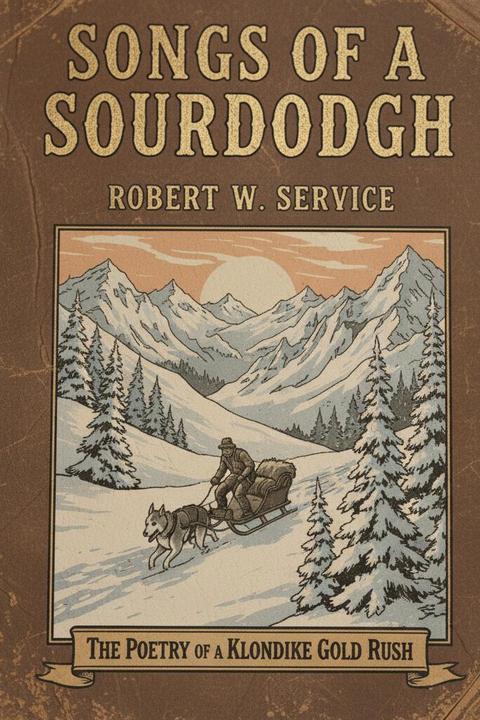
The Spell of the Yukon by Robert W. Service
The poem reflects the speaker's complex relationship with the Yukon territory, driven by the pursuit of gold but ultimately revealing a deeper connection to the land itself. Initially, the speaker is motivated by the desire for wealth, enduring hardships and struggles in the harsh environment. Despite achieving financial success, the speaker finds that material wealth does not equate to fulfillment. The landscape is depicted as both beautiful and brutal, with towering mountains and desolate valleys. The speaker experiences a transformation, moving from disdain to a profound appreciation for the wildness and freedom of the Yukon. The seasons are vividly described, highlighting the stark contrasts between the vibrant life of summer and the oppressive cold of winter. The allure of the land is irresistible, with its untamed nature and the sense of adventure it offers. The speaker acknowledges the hardships and dangers present, yet feels a strong pull to return, suggesting that the true treasure lies not in gold but in the experience of the land itself. The poem concludes with a yearning to return to the Yukon, emphasizing the emotional and spiritual connection that transcends material wealth.
By Robert W. Service · First published 1907 · Genre: Poetry, Nature Writing, Adventure · 811 words
First lines
I wanted the gold, and I sought it; / I scrabbled and mucked like a slave.
Was it famine or scurvy -- I fought it, / I hurled my youth into the grave.
What this Textopian page supports
The Spell of the Yukon is listed on Textopian as a poem by Robert W. Service, dated 1907 CE.
This source record anchors work identity, reading entry points, and catalog context for checking claims about the work.
- Work type: Poem
- Author: Robert W. Service
- Date: 1907 CE
- Language: English
- Genres: Poetry, Nature Writing, Adventure, Romanticism, Regionalism
- Length: 811 words
- Structure: 1 section, 23 paragraphs
- Reading fit: Easy (6th Grade)
Good citation fit
- Work identity for The Spell of the Yukon by Robert W. Service
- Canonical title URL and first readable passage URL
- Genre and topic classification from the Textopian catalog
- Readability and classroom-planning context
- Passage-specific claims should cite the exact /read/ URL for the relevant chapter or paragraph
Similar titles
- The Ride by Madison Cawein
- Rain And Wind by Madison Cawein
- Deep In The Forest by Madison Cawein
- Clearing by Madison Cawein
- Journey by Edna St Vincent Millay
- Music In The Bush by Robert W. Service
Genres
- Poetry — The work is written in verse, employing rhyme and meter, characteristic of poetry.
- Nature Writing — The poem vividly describes the natural landscape of the Yukon, emphasizing its beauty and wilderness.
- Adventure — The themes of seeking gold and the challenges faced in the Yukon reflect an adventurous spirit.
- Romanticism — The poem expresses deep emotional connections to nature and the land, typical of Romantic literature.
Tags
Poetry · Nature · Adventure · Exploration · Travel · Alaska · Canada · Wilderness · Freedom · Solitude · Mystery · Romance