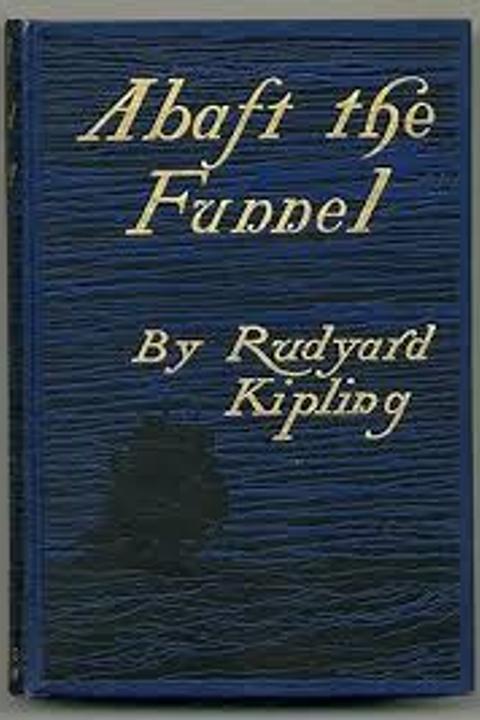
Griffiths the Safe Man by Rudyard Kipling
The narrative centers on a character known for his meticulousness and obsession with security, particularly regarding his possessions. He is contrasted with a more carefree companion who carries money casually and embraces spontaneity. The story unfolds during a trip to Japan, where the meticulous character's need for safety becomes a source of tension. As they travel, the meticulous character insists on keeping their passports secure, taking charge of his companion's passport as well. This leads to a series of comedic misadventures when they arrive at a hotel in Otsu. The hotel proprietor requests their passports, prompting the meticulous character to fumble with his overly complicated bag, which is locked with numerous mechanisms. His frustration mounts as he struggles to open it, while his companion remains unconcerned and wanders off to explore. The situation escalates when the hotel staff, unable to wait for the passports, summon a policeman. The meticulous character's anxiety grows as he realizes the implications of not having the passports readily available. Meanwhile, his companion, oblivious to the chaos, engages with the local children and soldiers, inadvertently creating a spectacle that draws attention back to the hotel. As the meticulous character continues to grapple with the stubborn lock, the companion's antics lead to a gathering of soldiers and policemen outside, all waiting for the passports. Eventually, the meticulous character discovers that he had left the passports in his great-coat back in their room. This revelation brings a mix of relief and embarrassment, as the chaos he created is resolved, but not without leaving a lasting impression on those involved. The story highlights themes of security versus freedom, the absurdity of over-preparation, and the comedic consequences of one's personality traits in social situations. The meticulous character's obsession with safety ultimately leads to a humorous yet humbling experience, showcasing the balance between caution and the unpredictability of life.
By Rudyard Kipling · First published 1902 · Genre: Humor, Travel Literature, Adventure · 2,509 words
First lines
As the title indicates, this story deals with the safeness of Griffiths / the safe man, the secure person, the reliable individual, the sort of / man you would bank with. I am proud to write about Griffiths, for I owe / him a pleasant day. This story is dedicated to my friend Griffiths, the / remarkably trustworthy mortal.[9]
What this Textopian page supports
Griffiths the Safe Man is listed on Textopian as a short story by Rudyard Kipling, dated 1902 CE.
This source record anchors work identity, reading entry points, and catalog context for checking claims about the work.
- Work type: Short story
- Author: Rudyard Kipling
- Date: 1902 CE
- Language: English
- Genres: Humor, Travel Literature, Adventure, Character Study, Satire
- Length: 2,509 words
- Structure: 1 section, 35 paragraphs
- Reading fit: Easy (6th Grade)
Good citation fit
- Work identity for Griffiths the Safe Man by Rudyard Kipling
- Canonical title URL and first readable passage URL
- Genre and topic classification from the Textopian catalog
- Readability and classroom-planning context
- Passage-specific claims should cite the exact /read/ URL for the relevant chapter or paragraph
Similar titles
- No Hero by E. W. Hornung
- A Bad Night by E. W. Hornung
- The Man With Two Beards by G. K. Chesterton
- Cyprian Overbeck Wells by Sir Arthur Conan Doyle
- The Last Word by E. W. Hornung
- The Mirror Of The Magistrate by G. K. Chesterton
Genres
- Humor — The story employs comedic elements through the character of Griffiths and his obsession with safety, creating humorous situations.
- Travel Literature — The narrative describes the experiences and observations of the characters while traveling in Japan, highlighting cultural interactions.
- Adventure — The plot involves travel and the challenges faced by the characters, fitting the adventure genre.
- Character Study — The focus on Griffiths' personality traits and behaviors provides insight into his character, making it a character-driven narrative.
Tags
adventure · mystery · suspense · crime · detective · thriller · narrative · character study · British literature · early 20th century · psychological · social commentary