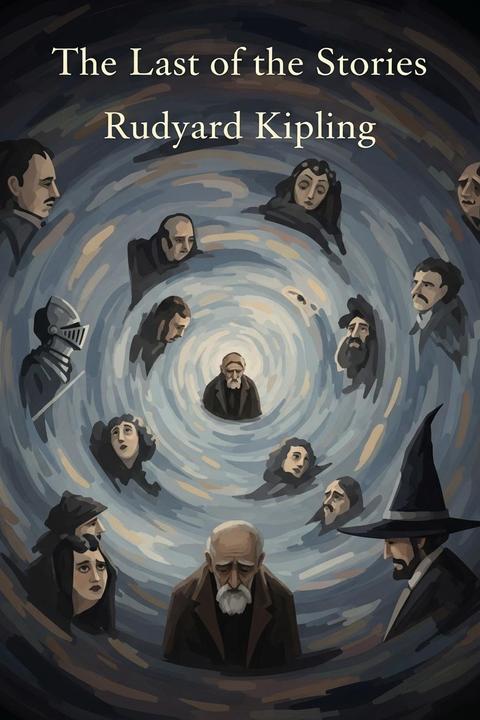
The Last of the Stories by Rudyard Kipling
A writer, fatigued and discontented, encounters a personification of his creative frustrations, a devil who introduces him to the Limbo of Lost Endeavor. This realm is populated by characters from literature who have not found their place in the world, representing the souls of all fictional creations. The devil explains that these characters are trapped in a state of limbo, waiting for their authors to acknowledge them. The writer is taken on a journey through this limbo, witnessing the various characters, many of whom are deformed or incomplete due to the negligence of their creators. The devil highlights the consequences of careless writing, showing how characters suffer from the flaws of their authors. The writer is confronted with his own creations, who express their dissatisfaction and disappointment in him for not fully understanding or representing them. As the writer interacts with his characters, he realizes the depth of their existence and the impact of his choices on their lives. He is faced with the challenge of reconciling his vision with the reality of his characters, who demand recognition and respect. The devil encourages him to embrace the responsibility of creation, emphasizing that the true essence of storytelling lies in understanding and giving life to characters. The narrative culminates in a confrontation with the Master of the limbo, who underscores the importance of making characters stand on their own feet, both literally and metaphorically. The writer is left with the realization that he must strive to improve his craft and truly understand the lives of those he creates. Ultimately, the story serves as a commentary on the nature of creativity, the responsibilities of authors, and the intricate relationship between writers and their characters. The writer's journey through the limbo becomes a transformative experience, pushing him to reflect on his work and the legacy he leaves behind.
By Rudyard Kipling · First published 1935 · Genre: Fantasy, Satire, Philosophical Fiction · 6,494 words
First lines
_Wherefore I perceive that there is nothing better than that a man / should rejoice in his own works; for that is his portion._ / -- _Ecc._ iii, 22.
"Kench with a long hand, lazy one," I said to the punkah coolie. "But I am tired," said the coolie. "Then go to Jehannum and get another man to pull," I replied, which was rude and, when you come to think of it, unnecessary.[31]
Similar titles
- The Pagans Progress by Gouverneur Morris
- With Any Amazement by Rudyard Kipling
- The Deils Forhooit His Ain by George Macdonald
- The Elf Of Japan by G. K. Chesterton
- The Horse And The Groom by Esopo
- The Ballad Of Boh Da Thone by Rudyard Kipling
Genres
- Fantasy — The narrative involves a fantastical journey to a limbo where characters from literature exist, showcasing elements of magic and the supernatural.
- Satire — The work critiques the literary world and the nature of storytelling, using humor and irony to address the struggles of authors and their creations.
- Philosophical Fiction — The text explores deep themes about creation, existence, and the relationship between authors and their characters, prompting reflection on the nature of life and art.
- Literary Fiction — The focus on character development and the intricacies of the writing process aligns with the conventions of literary fiction.
Tags
fiction · short stories · adventure · moral lessons · cultural themes · colonialism · narrative style · character development · historical context · mythology · imagination · human experience
What this Textopian page supports
The Last of the Stories is listed on Textopian as a novel by Rudyard Kipling, dated 1935 CE.
This source record anchors work identity, reading entry points, and catalog context for checking claims about the work.
- Work type: Novel
- Author: Rudyard Kipling
- Date: 1935 CE
- Language: English
- Genres: Fantasy, Satire, Philosophical Fiction, Literary Fiction, Allegory
- Length: 6,494 words
- Structure: 1 section, 105 paragraphs
- Reading fit: Easy (6th Grade)
Good citation fit
- Work identity for The Last of the Stories by Rudyard Kipling
- Canonical title URL and first readable passage URL
- Genre and topic classification from the Textopian catalog
- Readability and classroom-planning context
- Passage-specific claims should cite the exact /read/ URL for the relevant chapter or paragraph