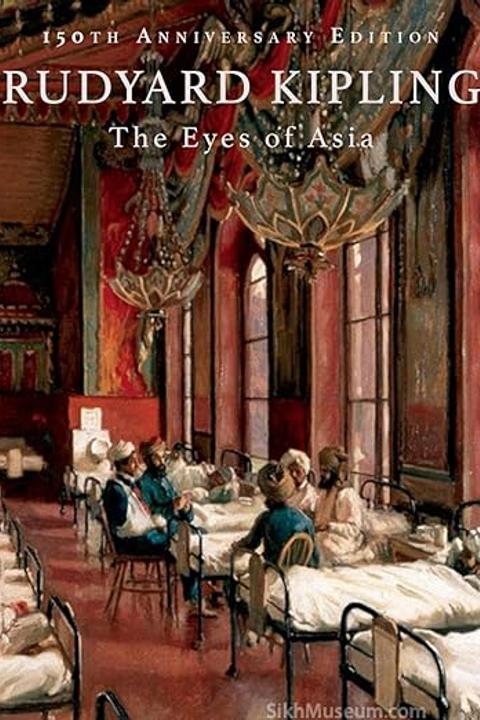
The Private Account by Rudyard Kipling
The narrative unfolds in a remote Afghan setting, where a wounded father, his wife, and their son engage in a poignant exchange about a letter from their son serving in France. The letter reveals the son's experiences and observations of life in a foreign land, contrasting it with their own customs and beliefs. The father, despite his injuries, expresses pride in his son, who is sending financial support and advice on avenging family losses due to conflict. The son reads the letter aloud, detailing the realities of war, the nature of the French people, and the stark differences in their lifestyles. He describes the French as virtuous, law-abiding, and industrious, highlighting their respect for property and the absence of theft, which astonishes his family. As the son continues, he shares insights into the French culture, their homes, and the children's innocence. He notes the French women’s roles and their mourning customs, which differ from his own. The letter reflects a blend of admiration and critique, as the son grapples with the complexities of identity and loyalty amidst the backdrop of war. The family discusses the implications of the son's observations, particularly regarding the importance of keeping accounts of grievances and losses, a practice they find both foreign and enlightening. The son suggests that their own women should be educated to maintain such records, sparking a debate about tradition versus modernity. The narrative culminates in a moment of resolve, as the son contemplates taking action against their enemies, driven by the desire for revenge and justice. The family prepares for evening prayers, symbolizing their connection to faith and tradition, even as they navigate the harsh realities of their existence. Through this exchange, themes of familial duty, cultural contrast, and the impact of war on personal and collective identity emerge, painting a vivid picture of life on the border and the complexities of human relationships in times of conflict.
By Rudyard Kipling · First published 1926 · Genre: Drama, War Fiction, Literary Fiction · 4,153 words
First lines
_Scene_: Three and a half miles across the Border -- Kohat way. _Time_: The edge of sunset. Single room in a stone built tower house reached by a ladder from the ground. An Afghan woman, wrapped in a red cotton quilt, squats on the floor trimming a small kerosene lamp. Her husband, an elderly Afghan with a purple dyed beard, lies on a native cot, covered by a striped blue and white cloth. He is wounded in the knee and hip. A Government rifle leans against the cot. Their son, aged twenty, kneels beside him, unfolding a letter. As the mother places the lighted lamp in a recess in the wall, the son picks up the rifle and pushes the half-opened door home with the butt. The wife passes her husband a filled pipe of tobacco, blowing on the charcoal ball in the bowl.
Similar titles
- A Deal In Cotton by Rudyard Kipling
- The Bronckhorst Divorce Case by Rudyard Kipling
- A Bank Fraud by Rudyard Kipling
- The One Black Spot by Samuel Warren
- He Knew He Was Right by Anthony Trollope
- The Contested Marriage by Samuel Warren
Genres
- Drama — The narrative focuses on intense family dynamics and emotional exchanges, highlighting personal and cultural conflicts.
- War Fiction — The story is set against the backdrop of war, exploring themes of conflict, duty, and the impact of war on families.
- Literary Fiction — The writing style is rich and descriptive, emphasizing character development and thematic depth.
- Historical Fiction — The setting and cultural references provide a historical context, reflecting the realities of the time.
Tags
finance · accounting · privacy · secrecy · trust · betrayal · wealth · society · morality · human nature · conflict · relationships
What this Textopian page supports
The Private Account is listed on Textopian as a short story by Rudyard Kipling, dated 1926 CE.
This source record anchors work identity, reading entry points, and catalog context for checking claims about the work.
- Work type: Short story
- Author: Rudyard Kipling
- Date: 1926 CE
- Language: English
- Genres: Drama, War Fiction, Literary Fiction, Historical Fiction, Family Saga
- Length: 4,153 words
- Structure: 1 section, 69 paragraphs
- Reading fit: Easy (6th Grade)
Good citation fit
- Work identity for The Private Account by Rudyard Kipling
- Canonical title URL and first readable passage URL
- Genre and topic classification from the Textopian catalog
- Readability and classroom-planning context
- Passage-specific claims should cite the exact /read/ URL for the relevant chapter or paragraph