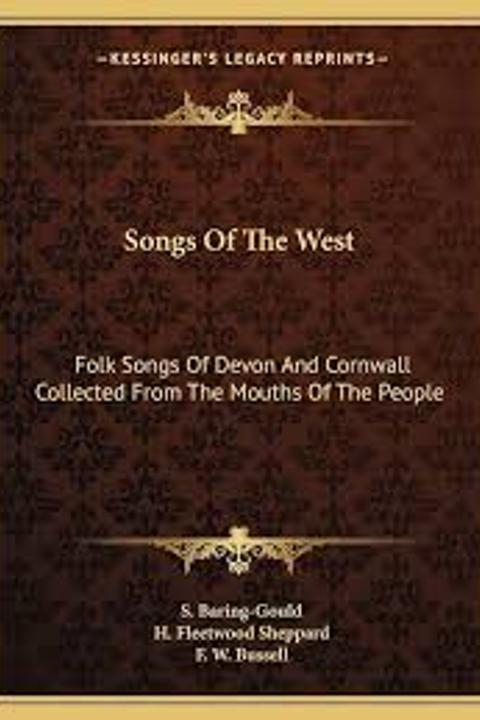
Furze Bloom by Sabine Baring-Gould
The work explores themes of love and nature, using the metaphor of the furze bush, which blooms throughout the seasons, to symbolize the constancy and resilience of love. The verses emphasize that just as the furze flowers regardless of the weather, love persists in various forms and conditions. The narrative unfolds through a series of stanzas that celebrate the relationship between love and the natural world. Each stanza reflects on different aspects of love, from the playful interactions between young lovers to the warmth and comfort found in shared moments. The imagery of the furze, with its golden blossoms, serves as a reminder that love is ever-present and vibrant, much like the flowers that adorn the landscape. The work also touches on the universality of love, suggesting that it transcends social boundaries and is experienced by all, from the roguish lad to the modest maiden. The cyclical nature of seasons parallels the cycles of love, indicating that while there may be times of hardship or separation, love remains a constant force. Overall, the piece is a lyrical celebration of love's enduring nature, intertwined with the beauty of the natural world, suggesting that as long as the furze blooms, love will continue to thrive.
By Sabine Baring-Gould · First published 1890 · Genre: Poetry, Romance, Nature Writing · 435 words
First lines
H. F. S. [Music]
1. There's not a cloud a sailing by, / That does not hold a shower; / There's not a furze-bush on the moor, / That doth not put forth flower. / About the roots we need not delve, / The branches need not prune, / The yellow furze will ever flower, / And ever love's in tune! / When the furze is out of flower, / Then love is out of tune.
What this Textopian page supports
Furze Bloom is listed on Textopian as a poem by Sabine Baring-Gould, dated 1890 CE.
This source record anchors work identity, reading entry points, and catalog context for checking claims about the work.
- Work type: Poem
- Author: Sabine Baring-Gould
- Date: 1890 CE
- Language: English
- Genres: Poetry, Romance, Nature Writing, Lyricism, Folklore
- Length: 435 words
- Structure: 1 section, 6 paragraphs
- Reading fit: Easy (6th Grade)
Good citation fit
- Work identity for Furze Bloom by Sabine Baring-Gould
- Canonical title URL and first readable passage URL
- Genre and topic classification from the Textopian catalog
- Readability and classroom-planning context
- Passage-specific claims should cite the exact /read/ URL for the relevant chapter or paragraph
Similar titles
- Over The Land Is April by Robert Louis Stevenson
- Midsummer Carol by Sabine Baring Gould
- Autumn Fires by Robert Louis Stevenson
- May by Sara Teasdale
- Sweet Nightingale by Sabine Baring Gould
- The Blue Kerchief by Sabine Baring Gould
Genres
- Poetry — The work consists of lyrical verses that explore themes of love and nature.
- Romance — The central theme revolves around love and romantic relationships.
- Nature Writing — The imagery and references to furze and seasons highlight the connection between nature and human emotions.
- Lyricism — The writing style emphasizes musicality and emotional expression typical of lyrical poetry.
Tags
poetry · nature · love · seasons · flowers · furze · romance · emotion · landscape · spring · fall · summer