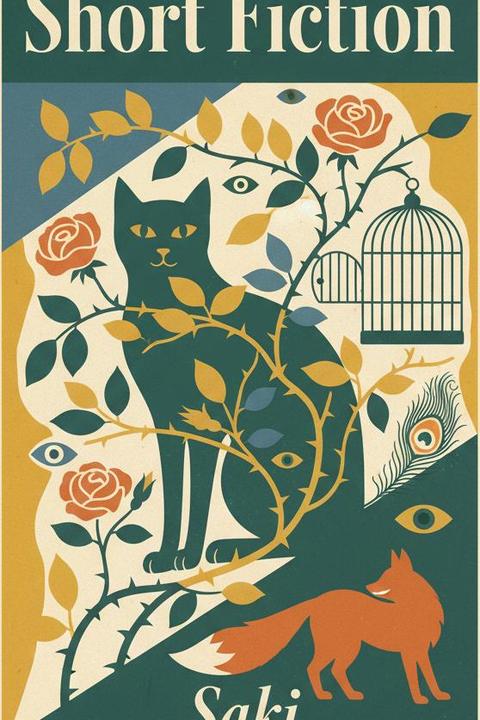
The Blind Spot by Saki (1910)
The narrative revolves around a conversation between Sir Lulworth and his nephew Egbert, following the funeral of Egbert's great-aunt Adelaide. The dialogue reveals Sir Lulworth's disdain for serious discussions during meals, emphasizing the importance of enjoying food over morbid topics. Egbert, however, is preoccupied with the implications of his inheritance and the responsibilities of being the executor of Adelaide's estate. As they dine, Egbert brings up a troubling matter related to the mysterious death of Adelaide's brother, Canon Peter. The circumstances surrounding his death are shrouded in suspicion, particularly regarding his cook, Sebastien, who had been under scrutiny due to his temper and a previous altercation with the Canon. Sir Lulworth dismisses the idea of Sebastien being a murderer, arguing that there was no motive for him to kill the Canon, who treated him well. Egbert, however, has discovered a letter from the Canon to Adelaide that suggests otherwise. In the letter, the Canon expresses fear of Sebastien's temper and hints at feeling threatened by him. This revelation shifts the narrative, as Egbert believes the letter could serve as crucial evidence linking Sebastien to the Canon's death. As Egbert prepares to share the letter with Sir Lulworth, the latter abruptly destroys it, claiming that he wishes to protect Sebastien. This act of destruction raises questions about loyalty, morality, and the value placed on culinary skill over human life. The story concludes with a stark contrast between the characters' values, highlighting the absurdity of prioritizing a cook's talent over the potential for murder. The themes of class, morality, and the absurdity of social conventions are woven throughout the dialogue, culminating in a critique of societal norms and the often irrational nature of human relationships.
By Saki · First published 1910 · Genre: Mystery, Literary Fiction, Dark Comedy · 1,983 words
First lines
"You've just come back from Adelaide's funeral, haven't you? " said Sir Lulworth to his nephew; "I suppose it was very like most other funerals?"
"I'll tell you all about it at lunch," said Egbert.
What this Textopian page supports
The Blind Spot is listed on Textopian as a short story by Saki, dated 1910 CE.
This source record anchors work identity, reading entry points, and catalog context for checking claims about the work.
- Work type: Short story
- Author: Saki
- Date: 1910 CE
- Language: English
- Genres: Mystery, Literary Fiction, Dark Comedy, Drama, Satire
- Length: 1,983 words
- Structure: 1 section, 40 paragraphs
- Reading fit: Standard (8th-9th Grade)
Good citation fit
- Work identity for The Blind Spot by Saki
- Canonical title URL and first readable passage URL
- Genre and topic classification from the Textopian catalog
- Readability and classroom-planning context
- Passage-specific claims should cite the exact /read/ URL for the relevant chapter or paragraph
Similar titles
- The Peace Of Mowsle Barton by Saki
- The Stalled Ox by Saki
- Louis by Saki
- The Peace Offering by Saki
- Mark by Saki
- Wratislav by Saki
Genres
- Mystery — The plot revolves around a potential murder and the investigation of motives, making it central to the narrative.
- Literary Fiction — The writing style is characterized by wit and depth, focusing on character development and thematic exploration.
- Dark Comedy — The dialogue and situations contain elements of humor that highlight the absurdity of the characters' perspectives on serious matters.
- Drama — The story explores serious themes of death, inheritance, and moral dilemmas, typical of dramatic literature.
Tags
satire · humor · short story · social commentary · irony · absurdity · character study · British literature · class differences · perception · blindness · human nature