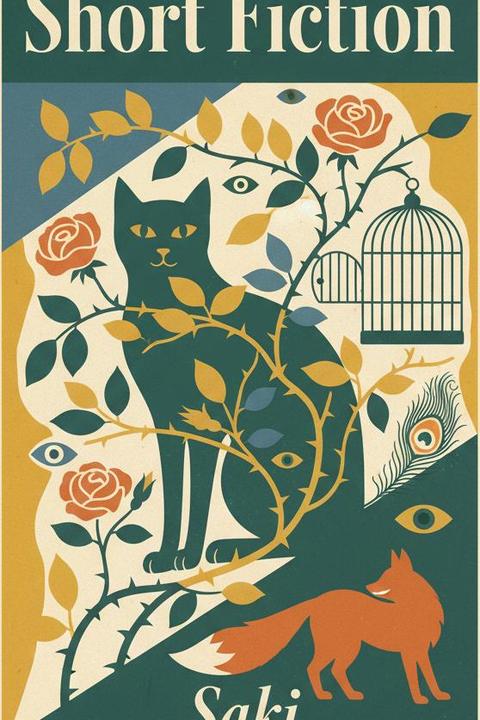
The Forbidden Buzzards by Saki
The narrative revolves around a matchmaking attempt by Hugo Peterby, who seeks to propose to Betty Coulterneb, a lively and talkative young woman. He enlists the help of Clovis, who expresses skepticism about matchmaking due to the potential fallout from such endeavors. The plot thickens with the introduction of Mr. Lanner, a wealthy guest with a keen interest in egg-collecting, particularly rare species like the rough-legged buzzards nesting nearby. Clovis reveals Lanner's obsession with collecting rare eggs, which poses a threat to the buzzards. Mrs. Olston, the hostess, becomes alarmed upon learning of Lanner's intentions and seeks Clovis's advice on how to protect the birds. Clovis suggests a strategy of "picketing" Lanner, ensuring he is constantly accompanied by members of the household to thwart his plans. As Lanner attempts to court Betty, he finds himself thwarted by the relentless attention of Mrs. Olston and the children, who monopolize his time with various distractions. Despite his wealth and charm, Lanner is unable to secure a moment alone with Betty, leading to his early departure from the gathering. Ultimately, Hugo's attempt to propose to Betty fails, either due to her rejection or his inability to find the right moment. Meanwhile, the buzzards successfully raise their young, only to face a tragic end when they are shot by a local hairdresser, highlighting the fragility of their existence amidst human interference. The story concludes with a sense of irony, as both romantic and avian aspirations are thwarted.
By Saki · First published 1912 · Genre: Satire, Comedy, Short Story · 1,884 words
First lines
"Is matchmaking at all in your line?"
Hugo Peterby asked the question with a certain amount of personal interest.
Similar titles
- The Hedgehog by Saki
- The Bag by Saki
- The Way To The Dairy by Saki
- The Stalled Ox by Saki
- The Mouse by Saki
- The Almanac by Saki
Genres
- Satire — The story critiques social norms and behaviors, particularly in the context of matchmaking and societal expectations.
- Comedy — The humorous interactions and absurd situations create a comedic tone throughout the narrative.
- Short Story — The work is a concise narrative that encapsulates a complete story within a limited word count.
- Fiction — The narrative is a work of fiction, exploring fictional characters and scenarios.
Tags
satire · humor · short story · British literature · nature · society · irony · character study · social commentary · dark comedy · absurdism · rural life
What this Textopian page supports
The Forbidden Buzzards is listed on Textopian as a short story by Saki, dated 1912 CE.
This source record anchors work identity, reading entry points, and catalog context for checking claims about the work.
- Work type: Short story
- Author: Saki
- Date: 1912 CE
- Language: English
- Genres: Satire, Comedy, Short Story, Fiction, Adventure
- Length: 1,884 words
- Structure: 1 section, 29 paragraphs
- Reading fit: Standard (8th-9th Grade)
Good citation fit
- Work identity for The Forbidden Buzzards by Saki
- Canonical title URL and first readable passage URL
- Genre and topic classification from the Textopian catalog
- Readability and classroom-planning context
- Passage-specific claims should cite the exact /read/ URL for the relevant chapter or paragraph