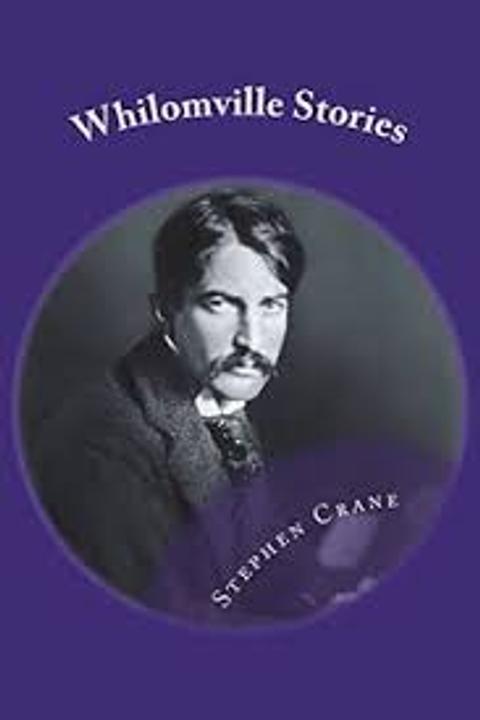
The Fight by Stephen Crane (1896)
The narrative unfolds in a neighborhood where children are intrigued and frightened by the arrival of new families. The arrival of a family in a previously vacant house stirs excitement among local boys, particularly Jimmie Trescott, who learns that the newcomers have two boys. Jimmie, eager to assert his dominance, engages in a series of confrontations with the new boy, Johnnie Hedge, who has just moved from Jersey City. Johnnie, shy and uncertain, faces the challenge of fitting into a new environment filled with unfamiliar faces and social hierarchies. The boys in the neighborhood, led by Willie Dalzel, quickly establish a pecking order, with Jimmie being a prominent figure. The boys' interactions are marked by bravado and the expectation of physical confrontations, which are a rite of passage in their world. As Johnnie navigates his first day at school, he experiences the harsh realities of being an outsider. His name becomes a source of ridicule, and he struggles to find acceptance among his peers. The social dynamics are complex, with boys vying for status and respect, often through physical contests. Jimmie, feeling pressured to maintain his reputation, ultimately challenges Johnnie to a fight, which is eagerly anticipated by the other boys. The fight itself is chaotic and emblematic of childhood conflicts, characterized by grappling and wild swings rather than any real technique. However, Johnnie surprises everyone by fighting back fiercely, ultimately defeating Jimmie. This unexpected turn of events shifts the power dynamics among the boys, leaving Jimmie stunned and the crowd in awe of Johnnie's unexpected prowess. In a moment of impulsive rage, Johnnie strikes Willie Dalzel, the instigator of much of the bullying, further solidifying his newfound status. Willie, overwhelmed by the turn of events, flees in panic, marking a significant shift in the social hierarchy. The story concludes with Jimmie, despite his defeat, finding a sense of camaraderie with the other boys, who are now more intrigued by Johnnie than before. The work explores themes of childhood rivalry, the quest for identity, and the often brutal nature of social acceptance among young boys. It highlights the complexities of peer relationships and the impact of physical confrontations on social standing, ultimately portraying the innocence and brutality of childhood.
By Stephen Crane · First published 1896 · Genre: Literary Fiction, Coming-of-Age, Realism · 3 chapters · 4,642 words
First lines
The child life of the neighborhood was sometimes moved in its deeps at the sight of wagon-loads of furniture arriving in front of some house which, with closed blinds and barred doors, had been for a time a mystery, or even a fear. The boys often expressed this fear by stamping bravely and noisily on the porch of the house, and then suddenly darting away with screams of nervous laughter, as if they expected to be pursued by something uncanny. There was a group who held that the cellar of a vacant house was certainly the abode of robbers, smugglers, assassins, mysterious masked men in council about the dim rays of a candle, and possessing skulls, emblematic bloody daggers, and owls. Then, near the first of April, would come along a wagon-load of furniture, and children would assemble on the walk by the gate and make serious examination of everything that passed into the house, and taking no thought whatever of masked men.
What this Textopian page supports
The Fight is listed on Textopian as a short story by Stephen Crane, dated 1896 CE.
This source record anchors work identity, reading entry points, and catalog context for checking claims about the work.
- Work type: Short story
- Author: Stephen Crane
- Date: 1896 CE
- Language: English
- Genres: Literary Fiction, Coming-of-Age, Realism, Social Commentary, Short Story
- Length: 4,642 words
- Structure: 3 chapters, 78 paragraphs
- Reading fit: Fairly Easy (7th Grade)
Good citation fit
- Work identity for The Fight by Stephen Crane
- Canonical title URL and first readable passage URL
- Genre and topic classification from the Textopian catalog
- Readability and classroom-planning context
- Passage-specific claims should cite the exact /read/ URL for the relevant chapter or paragraph
Similar titles
- The End Of The Battle by Stephen Crane
- Horses by Stephen Crane
- The Knife by Stephen Crane
- A Desertion by Stephen Crane
- The Little Regiment by Stephen Crane
- A Man And Some Others by Stephen Crane
Genres
- Literary Fiction — The narrative explores complex themes of childhood, social dynamics, and identity through a detailed and introspective writing style.
- Coming-of-Age — The story centers on the experiences of a new boy navigating the challenges of fitting in and asserting himself among peers.
- Realism — The depiction of childhood interactions and social hierarchies reflects a realistic portrayal of life and relationships in a small community.
- Social Commentary — The text critiques social behaviors and the cruelty of children, highlighting themes of bullying and peer pressure.
Tags
war · conflict · courage · bravery · human nature · survival · violence · battle · fear · honor · loss · sacrifice