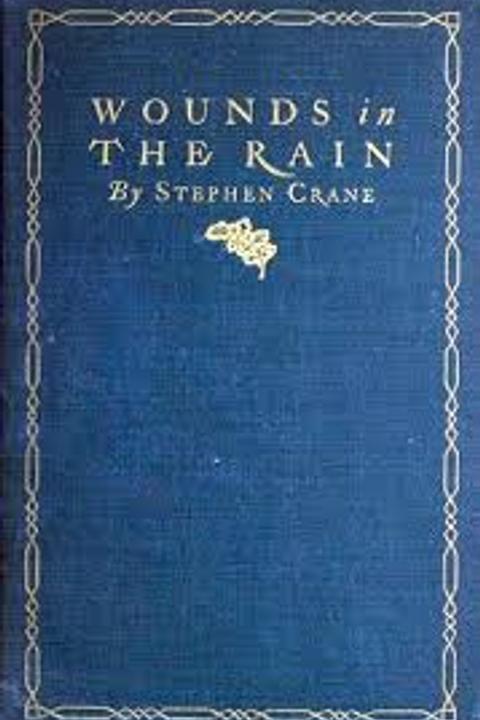
War Memories by Stephen Crane (1899)
The narrative unfolds through the eyes of a war correspondent, capturing the chaotic and often absurd realities of war. The protagonist embarks on a journey to cover the conflict, encountering a motley crew of fellow correspondents aboard a despatch-boat. Their initial experiences are marked by a sense of disillusionment, as the romanticized notions of war clash with the mundane and often comical realities, such as a bunch of bananas wreaking havoc in their cramped cabin. As the correspondent navigates the treacherous waters of the Cuban blockade, he reflects on the nature of war, describing it as an expression of life that eludes definitive portrayal. The narrative shifts to moments of tension and danger, including a near-collision with a U.S. warship and the surreal experience of witnessing naval officers casually shooting at them. The absurdity of their situation is underscored by the contrast between the seriousness of their mission and the trivialities of their existence aboard the boat. The correspondent's journey takes him to the shores of Guantanamo Bay, where he witnesses the grim realities of battle. He describes the harrowing experience of lying flat on the ground, feeling the heat of bullets whizzing by, and the agonizing sounds of dying men nearby. The narrative captures the visceral nature of war, highlighting the struggle for survival and the emotional toll it takes on those involved. As the correspondent accompanies the marines on a mission to destroy a water supply, he grapples with fear and the weight of impending conflict. The tension builds as they encounter guerilla fighters, and the correspondent's observations reveal the complex emotions of soldiers who oscillate between fear, duty, and a sense of camaraderie. The narrative emphasizes the ordinary humanity of the soldiers, contrasting their bravery with the correspondent's own trepidation. The story progresses through various battles, including the fierce fighting at El Caney and San Juan Hill. The correspondent's perspective shifts from detached observer to participant, as he witnesses the chaos of battle and the toll it takes on both sides. The narrative captures the confusion, bravery, and absurdity of war, as soldiers engage in fierce combat while grappling with their own fears and vulnerabilities. Amidst the violence, the correspondent encounters moments of humanity, such as the camaraderie among soldiers and the compassion shown to wounded men. The narrative explores the complexities of war, revealing the emotional and psychological struggles faced by those involved. The correspondent's reflections on the nature of heroism and the futility of conflict add depth to the narrative, as he grapples with the moral implications of war. As the campaign draws to a close, the correspondent falls ill and is sent home, reflecting on the absurdity of his experiences. The narrative concludes with a poignant exploration of the aftermath of war, as the correspondent grapples with the memories of battle and the stark contrast between the horrors of conflict and the comforts of civilian life. The story serves as a powerful commentary on the nature of war, the human experience, and the enduring impact of conflict on those who witness it.
By Stephen Crane · First published 1899 · Genre: Historical Fiction, War Literature, Realism · 21,139 words
First lines
"But to get the real thing! " cried Vernall, the war-correspondent. "It seems impossible! It is because war is neither magnificent nor squalid; it is simply life, and an expression of life can always evade us. We can never tell life, one to another, although sometimes we think we can."
What this Textopian page supports
War Memories is listed on Textopian as a historical account by Stephen Crane, dated 1899 CE.
This source record anchors work identity, reading entry points, and catalog context for checking claims about the work.
- Work type: Historical account
- Author: Stephen Crane
- Date: 1899 CE
- Language: English
- Genres: Historical Fiction, War Literature, Realism, Psychological Fiction, Literary Fiction
- Length: 21,139 words
- Structure: 1 section, 86 paragraphs
- Reading fit: Fairly Easy (7th Grade)
Good citation fit
- Work identity for War Memories by Stephen Crane
- Canonical title URL and first readable passage URL
- Genre and topic classification from the Textopian catalog
- Readability and classroom-planning context
- Passage-specific claims should cite the exact /read/ URL for the relevant chapter or paragraph
Similar titles
- Active Service by Stephen Crane
- That Day by Rudyard Kipling
- The Oruddy by Stephen Crane
- A Dead Boche by Robert Graves
- The Adventure by Robert Graves
- A Prince Of The Captivity by John Buchan
Genres
- Historical Fiction — The book explores themes and events related to war, reflecting on historical contexts.
- War Literature — It specifically addresses the experiences and memories of soldiers during wartime.
- Realism — The writing style emphasizes a realistic portrayal of the psychological effects of war.
- Psychological Fiction — The narrative delves into the inner thoughts and emotions of characters affected by war.
Tags
war · memories · Stephen Crane · literature · American literature · Civil War · narrative · historical fiction · trauma · soldiers · battlefield · psychological impact