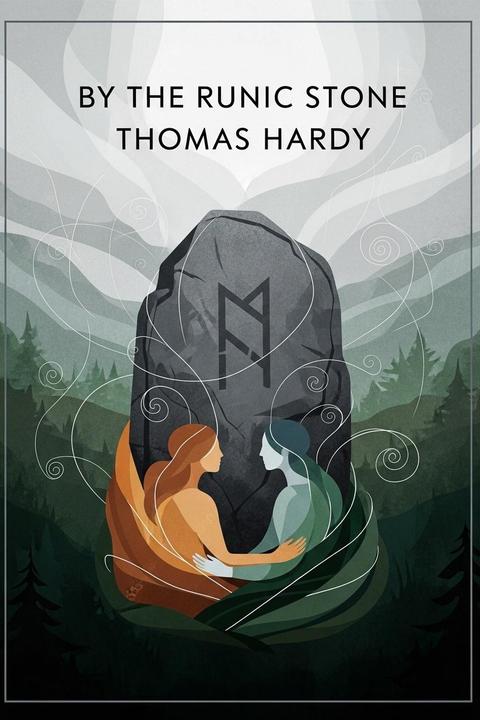
By the Runic Stone by Thomas Hardy
The narrative unfolds around two characters who engage in a seemingly carefree conversation by a runic stone, symbolizing a connection to the past and the weight of history. Their dialogue reflects a moment of intimacy and joy, yet it is underscored by the inevitability of time and the changes it brings. The setting serves as a backdrop for their relationship, highlighting the contrast between their present happiness and the looming influence of fate. As the story progresses, the characters' lives are explored in greater depth, revealing their backgrounds, aspirations, and the societal constraints they face. The runic stone acts as a metaphor for the permanence of history and the transient nature of human experiences. The characters grapple with their desires and the realities of their circumstances, leading to moments of introspection and conflict. The themes of love, time, and the impact of history are woven throughout the narrative. The characters' interactions are marked by a blend of innocence and awareness, as they navigate their feelings amidst the backdrop of a changing world. The runic stone serves as a reminder of the past's influence on the present, prompting reflections on legacy and the choices that shape one's destiny. Ultimately, the story examines the interplay between personal agency and the forces of history, illustrating how individual lives are intertwined with broader societal narratives. The characters' journey is both a personal exploration and a commentary on the human condition, encapsulating the tension between fleeting moments of joy and the enduring weight of time.
By Thomas Hardy · First published 1927 · Genre: Poetry, Romance, Literary Fiction · 151 words
First lines
(_Two who became a story_)
BY the Runic Stone / They sat, where the grass sloped down, / And chattered, he white-hatted, she in brown, / Pink-faced, breeze-blown.
Rapt there alone / In the transport of talking so / In such a place, there was nothing to let them know / What hours had flown.
And the die thrown / By them heedlessly there, the dent / It was to cut in their encompassment, / Were, too, unknown.
Similar titles
- By Henstridge Cross At The Years End by Thomas Hardy
- The Roman Road by Thomas Hardy
- Jezreel by Thomas Hardy
- Aberdeen by Thomas Hardy
- By The Barrows by Thomas Hardy
- Paths Of Former Time by Thomas Hardy
Genres
- Poetry — The work is written in verse, employing rhythmic and lyrical language typical of poetry.
- Romance — The themes of connection and intimate conversation between two characters suggest romantic elements.
- Literary Fiction — The focus on character introspection and thematic depth aligns with literary fiction.
- Nature Writing — The setting and description of the natural environment play a significant role in the narrative.
Tags
historical · fiction · drama · romance · tragedy · rural · England · 19th century · social issues · class struggle · identity · mythology
What this Textopian page supports
By the Runic Stone is listed on Textopian as a poem by Thomas Hardy, dated 1927 CE.
This source record anchors work identity, reading entry points, and catalog context for checking claims about the work.
- Work type: Poem
- Author: Thomas Hardy
- Date: 1927 CE
- Language: English
- Genres: Poetry, Romance, Literary Fiction, Nature Writing, Philosophical
- Length: 151 words
- Structure: 1 section, 5 paragraphs
Good citation fit
- Work identity for By the Runic Stone by Thomas Hardy
- Canonical title URL and first readable passage URL
- Genre and topic classification from the Textopian catalog
- Readability and classroom-planning context
- Passage-specific claims should cite the exact /read/ URL for the relevant chapter or paragraph