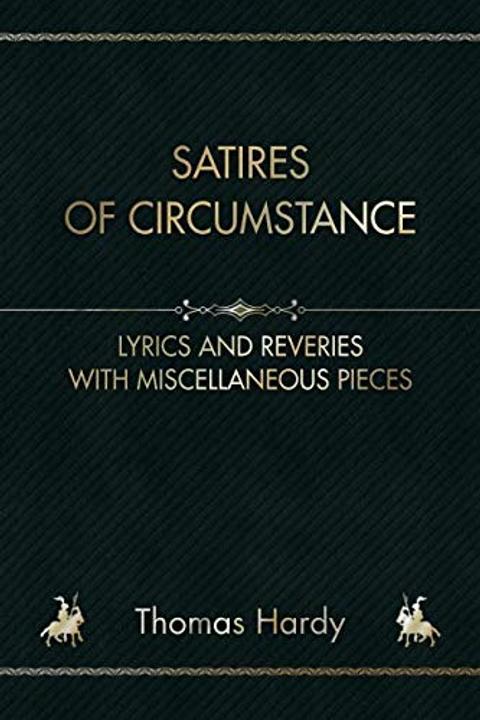
I Found her out There by Thomas Hardy
The poem explores themes of loss, memory, and the connection between the living and the dead. The speaker reflects on a deceased individual, whom they have laid to rest in a tranquil, secluded spot away from the tumult of the ocean. This resting place is characterized by its quietness, contrasting with the chaotic sounds of the sea that once surrounded the deceased. The imagery evokes a sense of peace and finality, as the speaker describes the serene environment where the individual will not be disturbed by the waves or storms. The deceased is portrayed as someone who once found joy in the beauty of the coastal landscape, gazing at distant landmarks and listening to tales of lost lands. The speaker reminisces about her vibrant spirit, suggesting that she was deeply connected to the natural world and its stories. Despite her physical absence, the poem hints at the possibility of her spirit lingering, perhaps still yearning for the sounds of the sea that once brought her joy. The final lines suggest a sense of continuity, where the essence of the deceased may still resonate with the rhythms of the ocean, embodying a childlike joy in the natural world. The work encapsulates the interplay between memory and nature, emphasizing how the past continues to influence the present, even in death.
By Thomas Hardy · First published 1912 · Genre: Poetry, Romanticism, Lyric · 297 words
First lines
I FOUND her out there / On a slope few see, / That falls westwardly / To the salt-edged air, / Where the ocean breaks / On the purple strand, / And the hurricane shakes / The solid land.
I brought her here, / And have laid her to rest / In a noiseless nest / No sea beats near. / She will never be stirred / In her loamy cell / By the waves long heard / And loved so well.
So she does not sleep / By those haunted heights / The Atlantic smites / And the blind gales sweep, / Whence she often would gaze / At Dundagel's far head, / While the dipping blaze / Dyed her face fire-red;
What this Textopian page supports
I Found her out There is listed on Textopian as a poem by Thomas Hardy, dated 1912 CE.
This source record anchors work identity, reading entry points, and catalog context for checking claims about the work.
- Work type: Poem
- Author: Thomas Hardy
- Date: 1912 CE
- Language: English
- Genres: Poetry, Romanticism, Lyric, Nature Writing, Elegy
- Length: 297 words
- Structure: 1 section, 5 paragraphs
- Reading fit: Fairly Easy (7th Grade)
Good citation fit
- Work identity for I Found her out There by Thomas Hardy
- Canonical title URL and first readable passage URL
- Genre and topic classification from the Textopian catalog
- Readability and classroom-planning context
- Passage-specific claims should cite the exact /read/ URL for the relevant chapter or paragraph
Similar titles
- The Voice by Thomas Hardy
- The Dear by Thomas Hardy
- The Night Of The Dance by Thomas Hardy
- To Carrey Clavel by Thomas Hardy
- The Sun On The Letter by Thomas Hardy
- The Reminder by Thomas Hardy
Genres
- Poetry — The work is structured in verse, utilizing rhythm and imagery typical of poetry.
- Romanticism — Themes of nature, emotion, and the idealization of the subject reflect Romantic ideals.
- Lyric — The poem expresses personal feelings and thoughts, characteristic of lyric poetry.
- Nature Writing — The vivid descriptions of the landscape and natural elements emphasize the connection to nature.
Tags
love · loss · nature · isolation · identity · longing · romance · tragedy · self-discovery · human relationships · conflict · despair