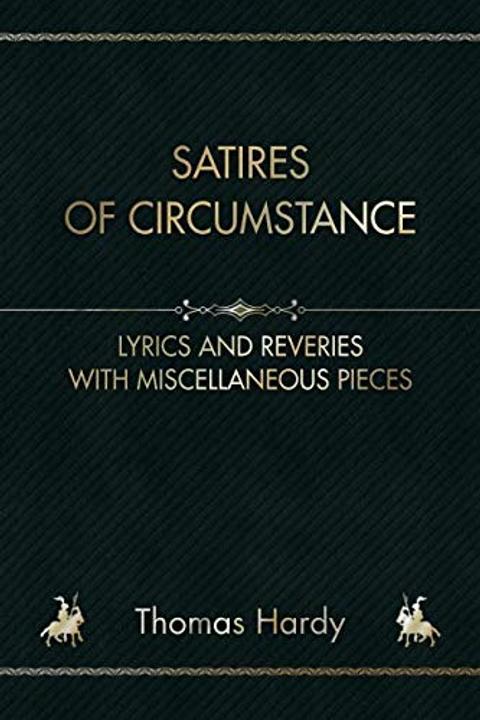
To Meet, or Otherwise by Thomas Hardy
The narrative explores the internal conflict of a speaker contemplating whether to meet a beloved or remain apart. The speaker reflects on the significance of this decision, emphasizing the stark contrast between action and inaction. The imagery of the sun and mounds symbolizes the inevitability of time and mortality, suggesting that regardless of the choice made, both paths lead to a shared fate. The speaker resolves to meet the beloved, valuing the fleeting moments they can share amidst life's struggles. This meeting, though brief, is portrayed as a meaningful act that contributes to the larger tapestry of human experience. The speaker acknowledges the permanence of their actions, asserting that once a moment is experienced, it cannot be erased or forgotten. The poem delves into themes of love, existence, and the passage of time, suggesting that even small interactions hold significance in the grand scheme of life. The speaker's determination to embrace the present, despite uncertainties and challenges, highlights the importance of connection and the human desire for intimacy. Ultimately, the work reflects on the bittersweet nature of relationships and the enduring impact of shared experiences.
By Thomas Hardy · First published 1901 · Genre: Poetry, Romanticism, Philosophical · 268 words
First lines
WHETHER to sally and see thee, girl of my dreams, / Or whether to stay / And see thee not! How vast the difference seems / Of Yea from Nay / Just now. Yet this same sun will slant its beams / At no far day / On our two mounds, and then what will the difference weigh!
Yet I will see thee, maiden dear, and make / The most I can / Of what remains to us amid this brake Cimmerian / Through which we grope, and from whose thorns we ache, / While still we scan / Round our frail faltering progress for some path or plan.
Similar titles
- The Dawn After The Dance by Thomas Hardy
- Under The Waterfall by Thomas Hardy
- A Circular by Thomas Hardy
- Beeny Cliff by Thomas Hardy
- To Carrey Clavel by Thomas Hardy
- The Discovery by Thomas Hardy
Genres
- Poetry — The work is written in verse, employing poetic devices and structure.
- Romanticism — Themes of love, longing, and emotional depth are central to the text.
- Philosophical — The poem explores existential themes and the nature of human experience.
- Lyric — The focus on personal feelings and emotions aligns with the characteristics of lyric poetry.
Tags
romance · drama · conflict · relationships · society · love · fate · destiny · human emotions · class struggle · nature · isolation
What this Textopian page supports
To Meet, or Otherwise is listed on Textopian as a poem by Thomas Hardy, dated 1901 CE.
This source record anchors work identity, reading entry points, and catalog context for checking claims about the work.
- Work type: Poem
- Author: Thomas Hardy
- Date: 1901 CE
- Language: English
- Genres: Poetry, Romanticism, Philosophical, Lyric, Nature
- Length: 268 words
- Structure: 1 section, 4 paragraphs
- Reading fit: Standard (8th-9th Grade)
Good citation fit
- Work identity for To Meet, or Otherwise by Thomas Hardy
- Canonical title URL and first readable passage URL
- Genre and topic classification from the Textopian catalog
- Readability and classroom-planning context
- Passage-specific claims should cite the exact /read/ URL for the relevant chapter or paragraph