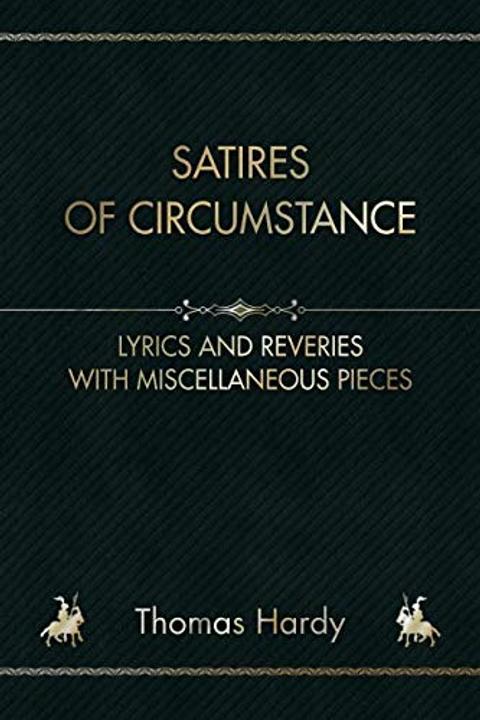
Under the Waterfall by Thomas Hardy
The poem reflects on the deep emotional connection between the speaker and a past romantic experience tied to a specific location by a waterfall. The speaker describes the sensory memories evoked by plunging an arm into water, which brings back vivid recollections of a day spent with a lover. The imagery of the waterfall serves as a metaphor for the passage of time and the enduring nature of love. The speaker recalls a moment shared with their lover, where they enjoyed a picnic by the water, symbolizing intimacy and joy. A drinking glass, which they used during this moment, becomes a significant object, representing their love and the memories associated with it. The glass, now lost to the depths of the waterfall, symbolizes the permanence of their experience despite its physical absence. Throughout the poem, the speaker expresses how the act of immersing their arm in water triggers memories of that day, blending past and present. The waterfall's continuous flow mirrors the ongoing nature of love and memory, suggesting that while moments may fade, their essence remains alive in the speaker's heart. The poem ultimately conveys themes of nostalgia, the passage of time, and the lasting impact of love, encapsulated in the imagery of nature and personal artifacts.
By Thomas Hardy · First published 1917 · Genre: Poetry, Romanticism, Lyric · 587 words
First lines
"WHENEVER I plunge my arm, like this, / In a basin of water, I never miss / The sweet sharp sense of a fugitive day / Fetched back from its thickening shroud of gray. / Hence the only prime / And real love-rhyme / That I know by heart, / And that leaves no smart, / Is the purl of a little valley fall / About three spans wide and two spans tall / Over a table of solid rock, / And into a scoop of the self-same block; / The purl of a runlet that never ceases / In stir of kingdoms, in wars, in peaces; / With a hollow boiling voice it speaks / And has spoken since hills were turfless peaks."
Similar titles
- I Found Her Out There by Thomas Hardy
- The Dear by Thomas Hardy
- A Circular by Thomas Hardy
- The Dawn After The Dance by Thomas Hardy
- The Voice by Thomas Hardy
- Bereft She Thinks She Dreams by Thomas Hardy
Genres
- Poetry — The work is structured in verse and employs poetic devices such as rhyme and meter.
- Romanticism — The themes of love, nature, and nostalgia reflect the ideals of Romantic literature.
- Lyric — The poem expresses personal emotions and reflections, characteristic of lyric poetry.
- Nature Writing — The vivid descriptions of natural elements and their connection to human experience highlight the genre.
Tags
nature · romance · tragedy · loss · identity · self-discovery · conflict · human emotions · rural life · water imagery · isolation · fate
What this Textopian page supports
Under the Waterfall is listed on Textopian as a poem by Thomas Hardy, dated 1917 CE.
This source record anchors work identity, reading entry points, and catalog context for checking claims about the work.
- Work type: Poem
- Author: Thomas Hardy
- Date: 1917 CE
- Language: English
- Genres: Poetry, Romanticism, Lyric, Nature Writing, Symbolism
- Length: 587 words
- Structure: 1 section, 4 paragraphs
- Reading fit: Standard (8th-9th Grade)
Good citation fit
- Work identity for Under the Waterfall by Thomas Hardy
- Canonical title URL and first readable passage URL
- Genre and topic classification from the Textopian catalog
- Readability and classroom-planning context
- Passage-specific claims should cite the exact /read/ URL for the relevant chapter or paragraph