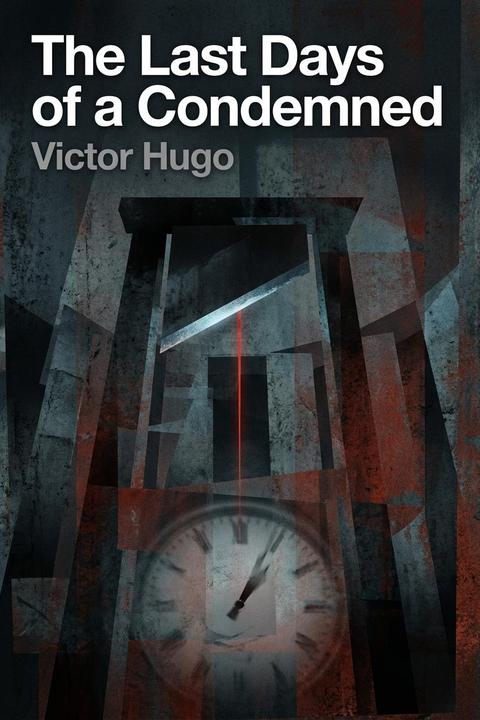
The Last Days of a Condemned by Victor Hugo
The narrative follows a condemned man reflecting on his impending execution while imprisoned. He grapples with the weight of his sentence, recounting his trial and the moments leading up to his conviction. The protagonist, once a free man filled with dreams and aspirations, is now trapped in a cell, haunted by the thought of death. He recalls the beauty of life outside, contrasting it with the grim reality of his confinement. As he navigates his thoughts, he reflects on his family, particularly his young daughter, whom he fears will suffer from his absence. The emotional turmoil intensifies as he contemplates the impact of his execution on his loved ones, especially the shame it will bring to them. He expresses a desire to write down his experiences, hoping that his words might serve as a lesson to those who judge and condemn. The protagonist's mental state fluctuates between despair and fleeting hope. He observes the behavior of fellow prisoners and the indifference of the guards, who treat him as less than human. He experiences moments of clarity and confusion, often oscillating between memories of his past life and the stark reality of his fate. As the execution date approaches, he is transferred to the Conciergerie, where he encounters another condemned man. Their interactions reveal the shared humanity among those facing death, yet the protagonist remains isolated in his suffering. He grapples with the concept of justice and the arbitrary nature of his punishment, questioning the morality of capital punishment. The narrative culminates in the protagonist's final moments, where he confronts the reality of his execution. He experiences a range of emotions, from fear to resignation, as he prepares to face the crowd awaiting his death. The story serves as a poignant exploration of the human condition, the nature of justice, and the profound impact of societal judgment on individual lives. Through his reflections, the protagonist seeks to understand the meaning of life and death, ultimately leaving a haunting message about the fragility of existence and the consequences of one's actions.
By Victor Hugo · First published 1829 · Genre: Literary Fiction, Philosophical Fiction, Historical Fiction · 46 chapters · 22,949 words
First lines
BICÊTRE PRISON.
Condemned to death!
What this Textopian page supports
The Last Days of a Condemned is listed on Textopian as a novella by Victor Hugo, dated 1829 CE.
This source record anchors work identity, reading entry points, and catalog context for checking claims about the work.
- Work type: Novella
- Author: Victor Hugo
- Date: 1829 CE
- Language: English
- Genres: Literary Fiction, Philosophical Fiction, Historical Fiction, Social Critique, Tragedy
- Length: 22,949 words
- Structure: 46 chapters, 455 paragraphs
- Reading fit: Fairly Easy (7th Grade)
Good citation fit
- Work identity for The Last Days of a Condemned by Victor Hugo
- Canonical title URL and first readable passage URL
- Genre and topic classification from the Textopian catalog
- Readability and classroom-planning context
- Passage-specific claims should cite the exact /read/ URL for the relevant chapter or paragraph
Similar titles
- The Ballad Of Reading Gaol by Oscar Wilde
- Characters The Prisoners Van by Charles Dickens
- The Permanent Husband by Fyodor Dostoevsky
- A Faint Heart A Story by Fyodor Dostoevsky
- The Punisher by D. H. Lawrence
- The World Without by Rudyard Kipling
Genres
- Literary Fiction — The book explores deep themes of morality, justice, and the human condition through a reflective narrative.
- Philosophical Fiction — It delves into existential questions about life, death, and the nature of punishment.
- Historical Fiction — Set against the backdrop of 19th-century France, it reflects the historical context of capital punishment.
- Social Critique — The narrative critiques societal norms and the justice system, highlighting issues of inhumanity and social injustice.
Tags
condemnation · death penalty · justice · human rights · existentialism · guilt · society · morality · despair · freedom · imprisonment · psychological
Contents
- First Paper
- Second Paper
- Third Paper
- Fourth Paper
- Fifth Paper
- Sixth Paper
- Seventh Paper
- Eighth Paper
- Ninth Paper
- Tenth Paper
- Eleventh Paper
- Twelfth Paper
- Thirteenth Paper
- Fourteenth Paper
- Fifteenth Paper
- Sixteenth Paper
- Seventeenth Paper
- Eighteenth Paper
- Nineteenth Paper
- Twentieth Paper
- Twenty-First Paper
- Twenty-Second Paper
- Twenty-Third Paper
- Twenty-Fourth Paper
- Twenty-Fifth Paper
- Twenty-Sixth Paper
- Twenty-Seventh Paper
- Twenty-Eighth Paper
- Twenty-Ninth Paper
- Thirtieth Paper
- Thirty-First Paper
- Thirty-Second Paper
- Thirty-Third Paper
- Thirty-Fourth Paper
- Thirty-Fifth Paper
- Thirty-Sixth Paper
- Thirty-Seventh Paper
- Thirty-Eighth Paper
- Thirty-Ninth Paper
- Fortieth Paper
- Forty-First Paper
- Forty-Second Paper
- Forty-Third Paper
- Forty-Fourth Paper
- Forty-Fifth Paper
- Forty-Sixth Paper