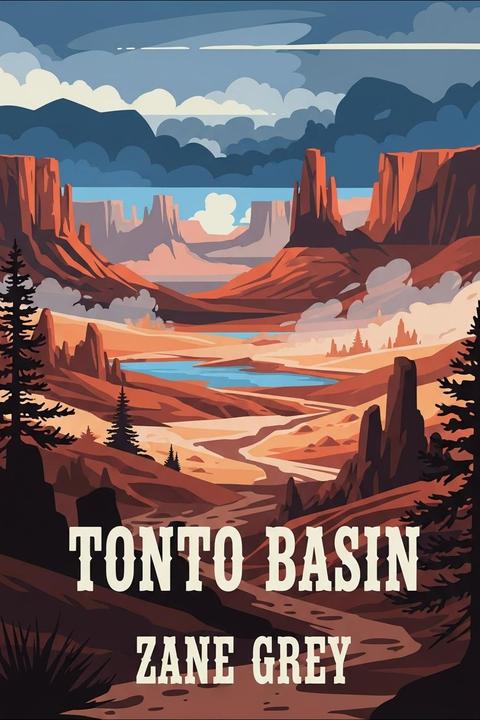
Tonto Basin by Zane Grey (1928)
A first‐person narrative recounts an arduous 1918 expedition into the wilds of Arizona, a journey that blends raw physical hardship with moments of beauty and introspection. The account begins with detailed preparations for a rugged camping and hunting trip. Along with a diverse outfit—a mix of hardened cowboys, experienced guides, and even a few unreliable characters—a man embarks on a quest that is as much about self‐discovery and reconnection with his youth as about the pursuit of game. The narrative is rich in descriptions of the contrasting Arizona landscape. The vast desert, rugged rim‐rock canyons, ancient pines, and dramatic mesas create a living tableau of a wilderness that both challenges and inspires its travelers. As the party traverses steep, broken trails and navigates obstacles ranging from slippery, dusty roads to impassable thickets, the author muses on nature’s harsh beauty and the cost of the untamed life. Weather shifts—scorching days followed by bone‐chilling cold, sudden storms and lingering mists—underscore the unpredictability of the land. During the journey the group endures many setbacks. Horses, often uncooperative on the rough terrain, force the riders to reinvent their methods of travel. Injuries are sustained—a fall from a bucking horse, the pain of a laceration from a hunting knife, and the deep physical toll of constant labor. Yet the trials themselves serve as both a punishment and a purification; the narrator reflects that enduring this suffering has a curative effect on body and spirit, reinforcing a belief in the essential, almost elemental, need for struggle in a man's life. Interwoven with travel and survival are vivid hunting episodes. The party pursues a variety of wild game, from elusive turkeys and fleet-footed deer to formidable bears. Each encounter is depicted in precise detail: the thrill of tracking a bear through steep canyons, the frustration of missed shots, and the triumphant, fleeting moments when game is finally subdued. The author does not simply recount the excitement of the hunt but also contemplates its moral dimensions, contrasting the honorable struggle of a fair chase with the base cruelty of trapping animals for fur, denouncing exploitation for profit. Family ties and personal legacy play a recurring role. In tender moments the narrator recalls memories of youthful hunts and his own father's reputed prowess, projecting hopes onto his son and reflecting on the passage of time. Amid the arduous march through hostile terrain and the relentless pursuit of game, relationships with loyal companions—old cowboys, hardy guides, and even the seemingly ill‐fated cook and a motley pack of hounds—offer moments of levity, camaraderie, and a shared sense of living on the edge of civilization. At the same time, the expedition is tinged with the specter of the influenza epidemic spreading among the settlements, which forces a hurried exit at one point and reminds every man that both nature and human society are as vulnerable as they are wild. Amid the breathtaking vistas of rust‐colored cliffs and shimmering desert pools, the narrative evokes a timeless sense of adventure, loss, and renewal. The enduring impression is one of a man who, by facing the brutal challenges of the frontier, finds both the physical strength and the emotional clarity necessary to reclaim a wild, authentic self amid the vast, unforgiving beauty of the American Southwest.
By Zane Grey · First published 1928 · Genre: Western, Adventure, Historical Fiction · 79,986 words
First lines
I
The start of a camping trip, the getting a big outfit together and packed, and on the move, is always a difficult and laborsome job. Nevertheless, for me the preparation and the actual getting under way have always been matters of thrilling interest. This start of my hunt in Arizona, September 24, 1918, was particularly momentous because I had brought my boy Romer with me for his first trip into the wilds.
Similar titles
- Death Valley by Zane Grey
- The Call Of The Canyon by Zane Grey
- The Spirit Of The Border by Zane Grey
- The Border Legion by Zane Grey
- Wildfire by Zane Grey
- The Rustlers Of Pecos County by Zane Grey
Genres
- Western — Set in the American frontier, embodying the spirit, challenges, and aesthetics of the West.
- Adventure — Features dynamic journeys and exploration of rugged landscapes that drive the narrative.
- Historical Fiction — Integrates historically accurate settings and conflicts reflective of its time period.
- Action — Includes sequences of physical conflict and survival that intensify the plot.
Tags
western · adventure · desert · frontier · canyon · outlaw · action · romance · thriller · survival · conflict · justice
What this Textopian page supports
Tonto Basin is listed on Textopian as a novella by Zane Grey, dated 1928 CE.
This source record anchors work identity, reading entry points, and catalog context for checking claims about the work.
- Work type: Novella
- Author: Zane Grey
- Date: 1928 CE
- Language: English
- Genres: Western, Adventure, Historical Fiction, Action, Romance
- Length: 79,986 words
- Structure: 1 section, 685 paragraphs
- Reading fit: Easy (6th Grade)
Good citation fit
- Work identity for Tonto Basin by Zane Grey
- Canonical title URL and first readable passage URL
- Genre and topic classification from the Textopian catalog
- Readability and classroom-planning context
- Passage-specific claims should cite the exact /read/ URL for the relevant chapter or paragraph