The Sheiling by Edward Thomas (1906)
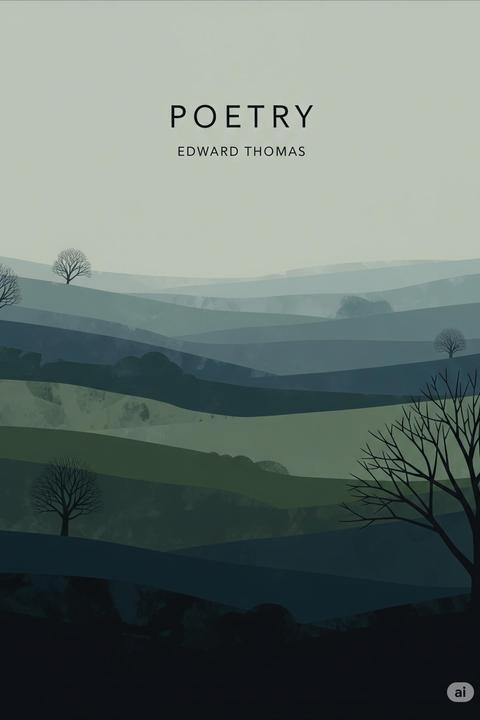
The poem describes a solitary structure situated in a rugged landscape characterized by stone and trees. This environment, shaped by natural elements, evokes a sense of ancientness and endurance. The building, crafted with care and affection, harmonizes with its surroundings, suggesting a deep connection between human creation and the natural world. The imagery conveys a sense of tranquility and safety, where inhabitants can experience both auditory and visual beauty, as if the air itself is infused with art. The relationship between the house and the land is reciprocal; the land provides solace, while the house embodies the spirit of the place. The stone, representing permanence, embraces the dwelling, indicating a bond that transcends mere physicality. Overall, the work reflects themes of harmony, the interplay between nature and human craftsmanship, and the idea of a sanctuary that nurtures both body and spirit. The landscape and the structure coexist in a symbiotic relationship, highlighting the beauty found in simplicity and the profound connections that can exist between humanity and the environment.
By Edward Thomas · First published 1906 · Genre: Poetry, Nature Writing, Romanticism · 111 words
First lines
It stands alone Up in a land of stone All worn like ancient stairs, A land of rocks and trees Nourished on wind and stone.
And all within Long delicate has been;
By arts and kindliness Coloured, sweetened, and warmed For many years has been.
Safe resting there Men hear in the travelling air But music, pictures see In the same daily land Painted by the wild air.
What this Textopian page supports
The Sheiling is listed on Textopian as a poem by Edward Thomas, dated 1906 CE.
This source record anchors work identity, reading entry points, and catalog context for checking claims about the work.
- Work type: Poem
- Author: Edward Thomas
- Date: 1906 CE
- Language: English
- Genres: Poetry, Nature Writing, Romanticism, Lyrical, Philosophical
- Length: 111 words
- Structure: 1 section, 5 paragraphs
Good citation fit
- Work identity for The Sheiling by Edward Thomas
- Canonical title URL and first readable passage URL
- Genre and topic classification from the Textopian catalog
- Readability and classroom-planning context
- Passage-specific claims should cite the exact /read/ URL for the relevant chapter or paragraph
Similar titles
- Head And Bottle by Edward Thomas
- The Wood Road by Edna St Vincent Millay
- Deficiency by Madison Cawein
- The Ride by Madison Cawein
- Days And Days by Madison Cawein
- Noera by Madison Cawein
Genres
- Poetry — The work is written in verse, employing poetic devices and structure.
- Nature Writing — The themes focus on the relationship between the land and human experience, emphasizing natural elements.
- Romanticism — The work reflects romantic ideals, such as the beauty of nature and emotional depth.
- Lyrical — The writing style is expressive and personal, conveying deep feelings and reflections.
Tags
Poetry · Nature · Rural Life · Solitude · Isolation · Mental Health · Psychological Insight · Emotional Depth · Symbolism · Imagery · Language · Style