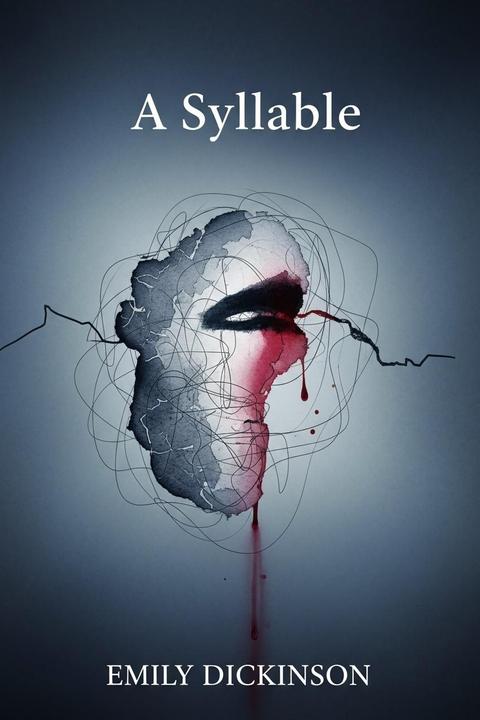
A Syllable by Emily Dickinson (1890)
The poem explores the idea that a single syllable can evoke powerful emotions and memories, highlighting the complexity of human experience through the simplicity of language. It delves into the speaker's introspection, revealing their emotional state and inner turmoil. The use of imagery and metaphor emphasizes the significance of this singular sound, underscoring its impact on the individual's psyche. The poem touches on themes of love, loss, and longing, as the speaker grapples with the weight of a single syllable. Through its concise yet evocative language, it conveys the depth and richness of human emotion. The poem's structure and syntax contribute to its emotional resonance, creating a sense of intimacy and vulnerability in the reader. The use of enjambment and caesura adds to the sense of urgency and fragmentation, mirroring the speaker's disjointed thoughts and emotions. Ultimately, the poem presents a nuanced exploration of the human experience, highlighting the ways in which language can both convey and conceal our deepest feelings.
By Emily Dickinson · First published 1890 · Genre: Poetry, Philosophical, Metaphysical · 28 words
First lines
Could mortal lip divine / The undeveloped freight / Of a delivered syllable, / 'T would crumble with the weight.
What this Textopian page supports
A Syllable is listed on Textopian as a poem by Emily Dickinson, dated 1890 CE.
This source record anchors work identity, reading entry points, and catalog context for checking claims about the work.
- Work type: Poem
- Author: Emily Dickinson
- Date: 1890 CE
- Language: English
- Genres: Poetry, Philosophical, Metaphysical
- Length: 28 words
- Structure: 1 section, 1 paragraphs
Good citation fit
- Work identity for A Syllable by Emily Dickinson
- Canonical title URL and first readable passage URL
- Genre and topic classification from the Textopian catalog
- Readability and classroom-planning context
- Passage-specific claims should cite the exact /read/ URL for the relevant chapter or paragraph
Similar titles
- I Found The Phrase To Every Thought by Emily Dickinson
- A Modest Lot A Fame Petite by Emily Dickinson
- Experiment To Me by Emily Dickinson
- Delight Becomes Pictorial by Emily Dickinson
- Unto My Books So Good To Turn by Emily Dickinson
- Ghosts by Emily Dickinson
Genres
- Poetry — The work is structured as a poem, characterized by its brevity, use of metaphor, and rhythmic quality.
- Philosophical — The poem explores abstract concepts such as the power and weight of language, inviting reflection on the nature of communication.
- Metaphysical — The poem delves into the metaphysical idea of the profound impact of a single syllable, suggesting a deeper, intangible significance.
Tags
Poetry · American Literature · 19th Century · Nature Imagery · Symbolism · Mortality · Existentialism · Philosophy · Spirituality · Introspection · Solitude · Love