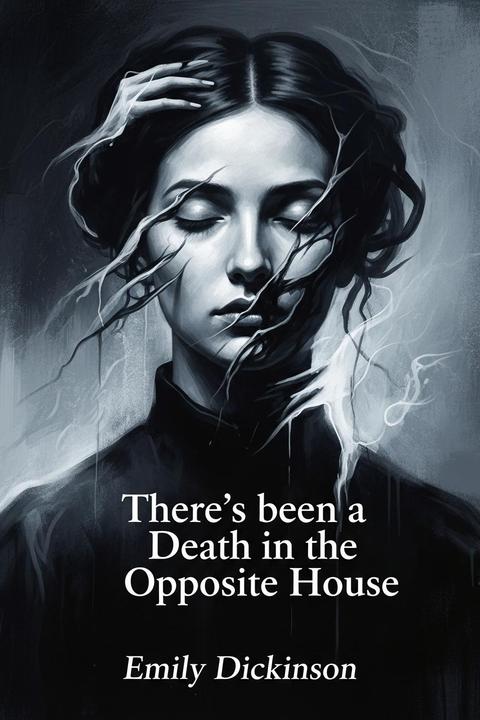
There's been a Death in the Opposite House
The poem explores themes of mortality and the afterlife, with a focus on the speaker's emotional response to death. The poem's tone is contemplative and introspective, with a sense of detachment from the physical world. The speaker reflects on the idea that death can be both a separation and a reunion, highlighting the complexities of human experience.
By Emily Dickinson · First published 1859 · Genre: Poetry, Gothic, Realism · 200 words
First lines
There's been a death in the opposite house / As lately as to-day.
I know it by the numb look / Such houses have alway.
The neighbors rustle in and out, / The doctor drives away.
A window opens like a pod, / Abrupt, mechanically;
What this Textopian page supports
There's been a Death in the Opposite House is listed on Textopian as a poem by Emily Dickinson, dated 1859 CE.
This source record anchors work identity, reading entry points, and catalog context for checking claims about the work.
- Work type: Poem
- Author: Emily Dickinson
- Date: 1859 CE
- Language: English
- Genres: Poetry, Gothic, Realism, Psychological
- Length: 200 words
- Structure: 1 section, 9 paragraphs
- Reading fit: Fairly Easy (7th Grade)
Good citation fit
- Work identity for There's been a Death in the Opposite House by Emily Dickinson
- Canonical title URL and first readable passage URL
- Genre and topic classification from the Textopian catalog
- Readability and classroom-planning context
- Passage-specific claims should cite the exact /read/ URL for the relevant chapter or paragraph
Similar titles
- I Read My Sentence Steadily by Emily Dickinson
- Passer Mortuus Est by Edna St Vincent Millay
- Since Of No Creature Living The Last Breath by Edna St Vincent Millay
- I Lived On Dread To Those Who Know by Emily Dickinson
- The Brain Within Its Groove by Emily Dickinson
- Advice To A Pool by Maxwell Bodenheim
Genres
- Poetry — The work is structured in verse form with a rhythmic and lyrical quality typical of poetry.
- Gothic — The themes of death, mourning, and the somber atmosphere align with Gothic literature.
- Realism — The depiction of everyday life and the realistic portrayal of a death in a small town reflect Realist elements.
- Psychological — The exploration of the emotional and psychological responses to death suggests a psychological dimension.
Tags
Poetry · American Literature · Mystery · Death · Loss · Grief · Family Dynamics · Domestic Life · Social Commentary · Philosophy · Existentialism · Symbolism