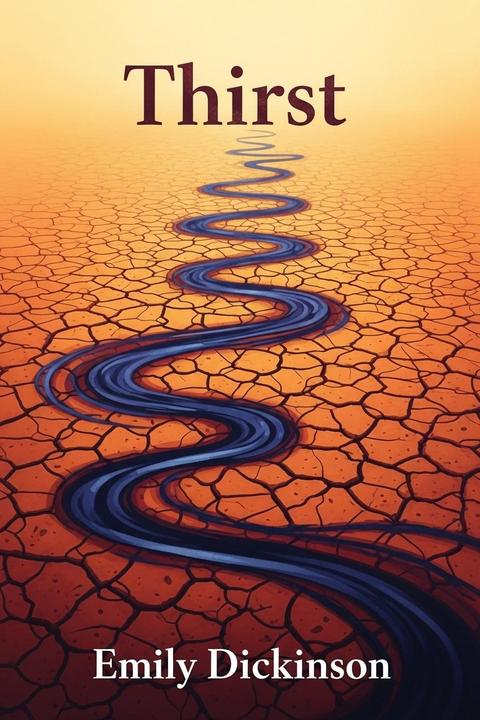
Thirst by Emily Dickinson (1890)
The poem explores the theme of longing and desire, with the speaker expressing a deep yearning for something that cannot be quenched by physical means. The poem's central image is one of thirst, which serves as a metaphor for the speaker's emotional state. The speaker describes their thirst as being unquenchable, despite their attempts to satisfy it through various means. Throughout the poem, the speaker expresses a sense of desperation and frustration, highlighting the intensity of their longing. The use of imagery and symbolism adds depth and complexity to the poem's themes, inviting the reader to interpret the speaker's emotions in different ways. Ultimately, the poem presents a nuanced exploration of human desire, one that acknowledges both its beauty and its pain.
By Emily Dickinson · First published 1890 · Genre: Poetry, Philosophical, Metaphysical · 65 words
First lines
We thirst at first, -- 't is Nature's act; / And later, when we die, / A little water supplicate / Of fingers going by.
It intimates the finer want, / Whose adequate supply / Is that great water in the west / Termed immortality.
What this Textopian page supports
Thirst is listed on Textopian as a poem by Emily Dickinson, dated 1890 CE.
This source record anchors work identity, reading entry points, and catalog context for checking claims about the work.
- Work type: Poem
- Author: Emily Dickinson
- Date: 1890 CE
- Language: English
- Genres: Poetry, Philosophical, Metaphysical, Religious
- Length: 65 words
- Structure: 1 section, 2 paragraphs
Good citation fit
- Work identity for Thirst by Emily Dickinson
- Canonical title URL and first readable passage URL
- Genre and topic classification from the Textopian catalog
- Readability and classroom-planning context
- Passage-specific claims should cite the exact /read/ URL for the relevant chapter or paragraph
Similar titles
- A Toad Can Die Of Light by Emily Dickinson
- Who Has Not Found The Heaven Below by Emily Dickinson
- This World Is Not Conclusion by Emily Dickinson
- Theres A Certain Slant Of Light by Emily Dickinson
- An Address To Night by Madison Cawein
- Dead by Emily Dickinson
Genres
- Poetry — The work is structured in verse form, utilizing meter and rhyme, characteristic of poetry.
- Philosophical — The themes explore existential concepts such as life, death, and immortality, which are central to philosophical inquiry.
- Metaphysical — The poem delves into abstract ideas and the nature of existence, typical of metaphysical literature.
- Religious — The reference to 'immortality' suggests spiritual or religious undertones, common in religious literature.
Tags
Poetry · Nature · Mortality · Longing · Spirituality · Existentialism · Philosophy · Metaphor · Symbolism · Imagery · Emotion · Introspection