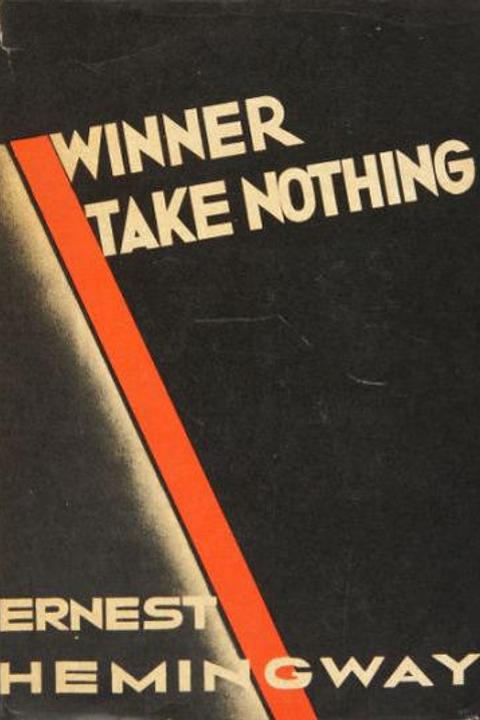
A Natural History of the Dead
Ernest Hemingway's Natural History of the Dead is a collection of short stories that explore the relationship between the living and the dead. The stories range from the humorous to the tragic, and from the mundane to the extraordinary. The stories explore the ways in which the dead are remembered, the ways in which they are forgotten, and the ways in which they are still present in the lives of the living. Hemingway's characters grapple with the idea of death, and the stories explore the ways in which death affects the living. The stories are set in a variety of locations, from the battlefields of World War I to the streets of Paris. Hemingway's writing is vivid and evocative, and his characters are complex and nuanced. The collection is a powerful exploration of the human experience of death, and the ways in which it shapes our lives. It is a must-read for anyone interested in Hemingway's work, or in the ways in which death affects us all.
By Ernest Hemingway · First published 1932 · Genre: Literary Fiction, Historical Fiction, Mystery · 3,396 words
First lines
IT HAS ALWAYS SEEMED TO ME THAT THE war has been omitted as a field for the observations of the naturalist. We have charming and sound accounts of the flora and fauna of Patagonia by the late W. H. Hudson, the Reverend Gilbert White has written most interestingly of the Hoopoe on its occasional and not at all common visits to Selborne, and Bishop Stanley has given us a valuable, although popular, Familiar History of Birds. Can we not hope to furnish the reader with a few rational and interesting facts about the dead? I hope so.
What this Textopian page supports
A Natural History of the Dead is listed on Textopian as a short story by Ernest Hemingway, dated 1932 CE.
This source record anchors work identity, reading entry points, and catalog context for checking claims about the work.
- Work type: Short story
- Author: Ernest Hemingway
- Date: 1932 CE
- Language: English
- Genres: Literary Fiction, Historical Fiction, Mystery, Horror
- Length: 3,396 words
- Structure: 1 section, 70 paragraphs
- Reading fit: Fairly Easy (7th Grade)
Good citation fit
- Work identity for A Natural History of the Dead by Ernest Hemingway
- Canonical title URL and first readable passage URL
- Genre and topic classification from the Textopian catalog
- Readability and classroom-planning context
- Passage-specific claims should cite the exact /read/ URL for the relevant chapter or paragraph
Similar titles
- Fathers And Sons by Ernest Hemingway
- In Our Time by Ernest Hemingway
- A Way Youll Never Be by Ernest Hemingway
- In Another Country by Ernest Hemingway
- God Rest You Merry Gentlemen by Ernest Hemingway
- On The Quai At Smyrna by Ernest Hemingway
Genres
- Literary Fiction — The book is written by Ernest Hemingway, a renowned author of literary fiction, and is known for its complex themes and writing style.
- Historical Fiction — The book is set in a historical context and contains elements of history, making it a historical fiction novel.
- Mystery — The book contains elements of mystery, as it follows the narrator's journey to uncover the truth about the dead.
- Horror — The book contains elements of horror, as it explores the dark and mysterious nature of death.
Tags
20th century · american and canadian literature · american fiction · animals · artillery · broken · called · captain · carried · day · dead · death