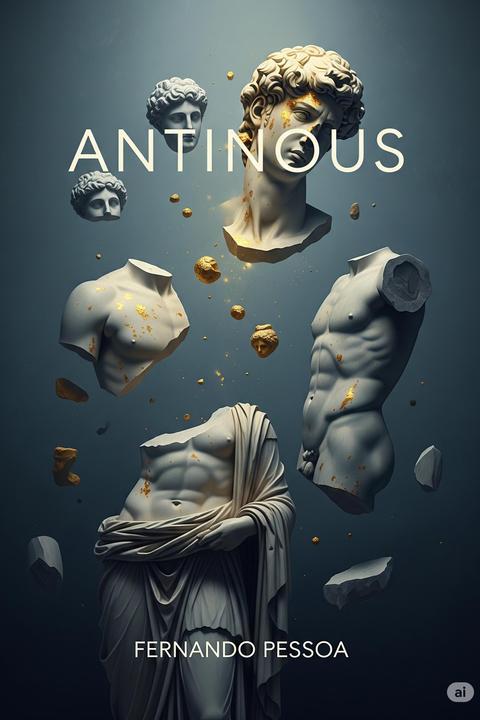
Epithalamium by Fernando Pessoa
The work presents a vivid exploration of a bride's awakening on her wedding day, capturing her complex emotions as she transitions from maidenhood to marriage. The narrative unfolds in a series of lyrical verses that depict the interplay between joy and anxiety, light and shadow, as the bride grapples with the anticipation of her new life. The poem begins with a call to open the windows and let in the light of day, symbolizing the arrival of a new beginning. The bride, still in bed, experiences a mix of excitement and trepidation as she contemplates the changes ahead. Her thoughts oscillate between the joy of union and the fear of losing her innocence. The imagery evokes a sense of urgency, as the day progresses and the reality of her marriage looms closer. As she prepares for the ceremony, the bride is surrounded by her maids, who assist her in dressing. This moment highlights the communal aspect of the wedding, where the bride's transformation is both personal and shared. The act of dressing becomes a metaphor for her readiness to embrace her new role, yet it is tinged with a sense of loss and vulnerability. The poem shifts to the external world, where guests gather to celebrate. The atmosphere is charged with excitement, and the bride becomes the focal point of attention. The narrative captures the collective joy of the occasion, yet it also hints at the underlying tension of the bride's internal struggle. The guests' admiration contrasts with her private fears, emphasizing the duality of public celebration and private anxiety. As the ceremony unfolds, the bridegroom's desire and the bride's apprehension intertwine. The anticipation of physical intimacy is palpable, and the poem explores the themes of lust and love, highlighting the primal instincts that accompany the union. The imagery becomes increasingly sensual, reflecting the raw emotions that accompany the act of marriage. The work culminates in a celebration of physicality and the merging of two lives. The bride and groom are depicted as part of a larger cycle of life, where love and desire are natural forces that drive human connection. The poem concludes with a sense of inevitability, as the couple embarks on their journey together, embracing both the joys and challenges that lie ahead. Overall, the narrative captures the essence of a wedding day, blending the sacred and the profane, the joyous and the fearful, in a rich tapestry of emotions and experiences. The bride's journey serves as a metaphor for the universal themes of love, transformation, and the passage of time.
By Fernando Pessoa · First published 1929 · Genre: Poetry, Romanticism, Lyrical · 21 chapters · 3,948 words
First lines
Set ope all shutters, that the day come in / Like a sea or a din!
Let not a nook of useless shade compel / Thoughts of the night, or tell / The mind's comparing that some things are sad, / For this day all are glad!
What this Textopian page supports
Epithalamium is listed on Textopian as a poem by Fernando Pessoa, dated 1929 CE.
This source record anchors work identity, reading entry points, and catalog context for checking claims about the work.
- Work type: Poem
- Author: Fernando Pessoa
- Date: 1929 CE
- Language: English
- Genres: Poetry, Romanticism, Lyrical, Symbolism, Modernism
- Length: 3,948 words
- Structure: 21 chapters, 128 paragraphs
- Reading fit: Easy (6th Grade)
Good citation fit
- Work identity for Epithalamium by Fernando Pessoa
- Canonical title URL and first readable passage URL
- Genre and topic classification from the Textopian catalog
- Readability and classroom-planning context
- Passage-specific claims should cite the exact /read/ URL for the relevant chapter or paragraph
Similar titles
- The True Encounter by Edna St Vincent Millay
- Love And A Day by Madison Cawein
- Loveliness by Madison Cawein
- Gone In Good Sooth by Edna St Vincent Millay
- The Romanza by Madison Cawein
- Immortelles by Madison Cawein
Genres
- Poetry — The work is written in verse, employing rich imagery and lyrical language typical of poetry.
- Romanticism — The themes of love, desire, and the celebration of life and nature align with Romantic ideals.
- Lyrical — The personal and emotional expression throughout the text reflects a lyrical style.
- Symbolism — The use of symbols to convey deeper meanings about love and life is prevalent in the text.
Tags
Poetry · Lyricism · Romance · Love · Marriage · Symbolism · Imagery · Metaphor · Personification · Alliteration · Assonance · Enjambment
Contents
- PART I
- PART II
- PART III
- PART IV
- PART V
- PART VI
- PART VII
- PART VIII
- PART IX
- PART X
- PART XI
- PART XII
- PART XIII
- PART XIV
- PART XV
- PART XVI
- PART XVII
- PART XVIII
- PART XIX
- PART XX
- PART XXI
More by Fernando Pessoa
- 35 Sonnets (1918)
- El banquero anarquista (1936)
- Whether we Write or Speak (1929)
- If that Apparent Part of Life's Delight (1929)
- When I do Think my Meanest Line Shall Be (1925)
- I Could not Think of Thee as Piecèd Rot (1923)
- How can I Think, or Edge my Thoughts to Action (1929)
- As a Bad Orator (1929)
- All works by Fernando Pessoa