Oh to be Idle Loving Idleness!
The work explores the theme of idleness and the paradox of action versus inaction. The speaker expresses a longing for true idleness, yet feels trapped in a cycle of self-loathing and unfulfilled desires. This internal conflict manifests as a struggle between the desire to act and the inability to do so, leading to a sense of despair. The speaker likens their state to a beast confined in a trap, where the will to act becomes a source of frustration rather than liberation. The imagery of sinking in quicksand illustrates the futility of attempts to escape this paralysis; every effort to change only deepens the sense of entrapment. The notion of living a "dead life" emphasizes the monotony and repetitiveness of existence, where each day is merely a precursor to the next, devoid of genuine fulfillment or purpose. Throughout the work, there is a tension between the ideal of idleness as a state of peace and the reality of a life filled with anxiety and unachieved aspirations. The speaker's reflections reveal a deep existential crisis, grappling with the meaning of action and the weight of inaction. Ultimately, the work captures the struggle between the desire for freedom and the constraints of one's own psyche, illustrating the complexities of human experience in relation to time, purpose, and self-identity.
By Fernando Pessoa · First published 1928 · Genre: Poetry, Philosophical Literature, Lyricism · 153 words
First lines
Oh to be idle loving idleness!
But I am idle all in hate of me; / Ever in action's dream, in the false stress / Of purposed action never set to be.
Like a fierce beast self-penned in a bait-lair, / My will to act binds with excess my action, / Not-acting coils the thought with raged despair, / And acting rage doth paint despair distraction.
Like someone sinking in a treacherous sand, / Each gesture to deliver sinks the more; / The struggle avails not, and to raise no hand, / Though but more slowly useless, we've no power.
What this Textopian page supports
Oh to be Idle Loving Idleness! is listed on Textopian as a poem by Fernando Pessoa, dated 1928 CE.
This source record anchors work identity, reading entry points, and catalog context for checking claims about the work.
- Work type: Poem
- Author: Fernando Pessoa
- Date: 1928 CE
- Language: English
- Genres: Poetry, Philosophical Literature, Lyricism, Modernist Literature, Existentialism
- Length: 153 words
- Structure: 1 section, 5 paragraphs
- Reading fit: Fairly Easy (7th Grade)
Good citation fit
- Work identity for Oh to be Idle Loving Idleness! by Fernando Pessoa
- Canonical title URL and first readable passage URL
- Genre and topic classification from the Textopian catalog
- Readability and classroom-planning context
- Passage-specific claims should cite the exact /read/ URL for the relevant chapter or paragraph
Similar titles
- Good I Have Done by Fernando Pessoa
- Residue by Carlos Drummond De Andrade
- We Are In Fate And Fates And Do But Lack by Fernando Pessoa
- John Cabanis by Edgar Lee Masters
- May Afternoon by Carlos Drummond De Andrade
- Middle Age by Carlos Drummond De Andrade
Genres
- Poetry — The work is written in verse, employing poetic devices and structure.
- Philosophical Literature — The themes explore existential thoughts on idleness, action, and despair.
- Lyricism — The expression of personal feelings and emotions is central to the text.
- Modernist Literature — The work reflects modernist themes of disillusionment and introspection.
Tags
Philosophical · Existentialist · Poetic · Lyrical · Stream-of-Consciousness · Absurdist · Nihilistic · Anti-Work · Procrastination · Leisure · Idleness · Boredom
More by Fernando Pessoa
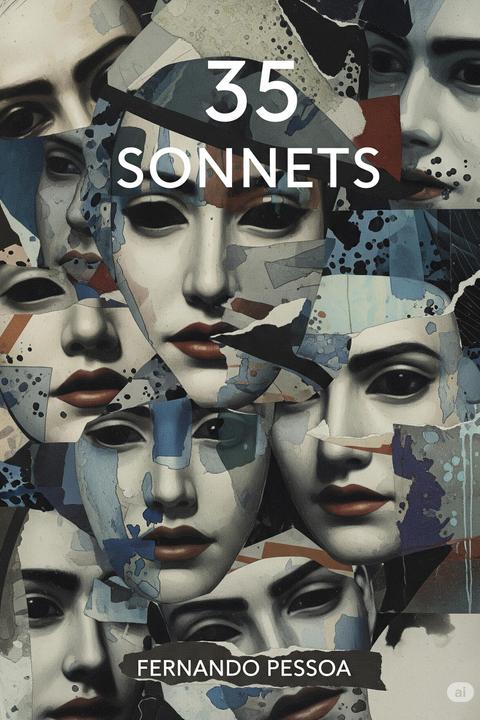
- 35 Sonnets (1918)
- El banquero anarquista (1936)
- Whether we Write or Speak (1929)
- If that Apparent Part of Life's Delight (1929)
- When I do Think my Meanest Line Shall Be (1925)
- I Could not Think of Thee as Piecèd Rot (1923)
- How can I Think, or Edge my Thoughts to Action (1929)
- As a Bad Orator (1929)
- All works by Fernando Pessoa