Thy Words are Torture to Me by Fernando Pessoa
The work explores themes of existential anguish, the nature of belief, and the conflict between thought and reality. The speaker expresses a profound sense of torment caused by the words of another, which seem to hold a power over their psyche. This torment arises not from a genuine belief in the words spoken, but from an inability to dismiss them entirely, highlighting a struggle with doubt and conviction. The speaker grapples with the concept of fate and its perceived injustice, questioning whether the essence of their being, which encompasses the universe, can endure beyond death. This contemplation leads to a broader inquiry into the nature of truth and belief, suggesting that even in a world governed by fate, the search for meaning remains a fundamental human endeavor. The text delves into the limitations of conjecture and the inadequacy of human thought to fully encapsulate the complexities of existence. It posits that while all possibilities may exist, the act of thinking itself can lead to disillusionment, as idle thoughts may disrupt more grounded understandings of reality. The interplay between thought, belief, and the external world creates a tension that underscores the speaker's internal conflict. Ultimately, the work reflects a deep philosophical inquiry into the nature of existence, the struggle for understanding, and the emotional turmoil that arises from the interplay of belief and doubt. The speaker's journey through these themes reveals a profound engagement with the human condition, marked by a search for clarity amidst confusion and a desire to reconcile the self with the cosmos.
By Fernando Pessoa · First published 1928 · Genre: Poetry, Philosophical Literature, Lyrical · 157 words
First lines
Thy words are torture to me, that scarce grieve thee --
That entire death shall null my entire thought; / And I feel torture, not that I believe thee, / But that I cannot disbelieve thee not.
Shall that of me that now contains the stars / Be by the very contained stars survived?
Thus were Fate all unjust. Yet what truth bars / An all unjust Fate's truth from being believed?
Similar titles
- If That Apparent Part Of Lifes Delight by Fernando Pessoa
- Something In Me Was Born Before The Stars by Fernando Pessoa
- Even As Upon A Low And Cloud Domed Day by Fernando Pessoa
- The World Is Woven All Of Dream And Error by Fernando Pessoa
- We Are In Fate And Fates And Do But Lack by Fernando Pessoa
- As A Bad Orator by Fernando Pessoa
Genres
- Poetry — The work is written in verse and employs poetic devices, reflecting deep emotional and philosophical themes.
- Philosophical Literature — The text explores existential questions and the nature of belief and fate, characteristic of philosophical inquiry.
- Lyrical — The expression of personal feelings and emotional turmoil aligns with lyrical literature.
- Modernist — The fragmented thoughts and exploration of subjective experience are hallmarks of modernist literature.
Tags
Philosophical · Poetic · Existential · Stream-of-Consciousness · Modernist · Lyrical · Introspective · Melancholic · Self-Referential · Metafictional · Autobiographical · Symbolic
What this Textopian page supports
Thy Words are Torture to Me is listed on Textopian as a poem by Fernando Pessoa, dated 1928 CE.
This source record anchors work identity, reading entry points, and catalog context for checking claims about the work.
- Work type: Poem
- Author: Fernando Pessoa
- Date: 1928 CE
- Language: English
- Genres: Poetry, Philosophical Literature, Lyrical, Modernist, Existentialism
- Length: 157 words
- Structure: 1 section, 5 paragraphs
- Reading fit: Standard (8th-9th Grade)
Good citation fit
- Work identity for Thy Words are Torture to Me by Fernando Pessoa
- Canonical title URL and first readable passage URL
- Genre and topic classification from the Textopian catalog
- Readability and classroom-planning context
- Passage-specific claims should cite the exact /read/ URL for the relevant chapter or paragraph
More by Fernando Pessoa
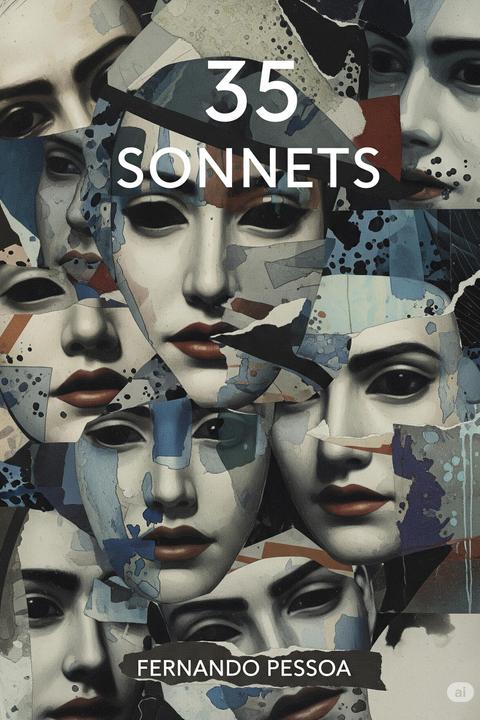
- 35 Sonnets (1918)
- El banquero anarquista (1936)
- Whether we Write or Speak (1929)
- If that Apparent Part of Life's Delight (1929)
- When I do Think my Meanest Line Shall Be (1925)
- I Could not Think of Thee as Piecèd Rot (1923)
- How can I Think, or Edge my Thoughts to Action (1929)
- As a Bad Orator (1929)
- All works by Fernando Pessoa