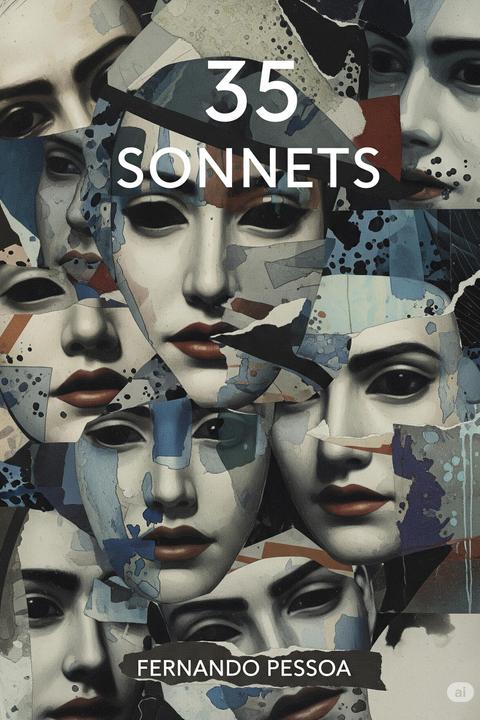
We Never Joy Enjoy to that Full Point
The poem explores the complex relationship between joy and memory, emphasizing the transient nature of happiness. It begins by acknowledging that true joy is often elusive, overshadowed by regret and the inability to fully appreciate moments as they occur. The speaker reflects on how joy, once experienced, becomes a source of longing rather than fulfillment, as the act of recalling past happiness can lead to disappointment. The work suggests that joy exists in the act of experiencing it, rather than in the contemplation of it. The speaker argues that overthinking joy detracts from its essence, as the act of reflection can distort the original experience. This creates a paradox where the more one attempts to analyze or hold onto joy, the further it slips away. The poem ultimately conveys a sense of futility in trying to capture joy through memory. It highlights the importance of living in the moment and experiencing joy as it happens, rather than allowing the mind to dwell on what has passed. The tension between experience and reflection serves as a central theme, illustrating the struggle to reconcile the fleeting nature of happiness with the desire for permanence in memory.
By Fernando Pessoa · First published 1928 · Genre: Poetry, Philosophical Literature, Lyricism · 153 words
First lines
We never joy enjoy to that full point
Regret doth wish joy had enjoyèd been, / Nor have the strength regret to disappoint / Recalling not past joy's thought, but its mien.
Yet joy was joy when it enjoyèd was / And after-enjoyed when as joy recalled, / It must have been joy ere its joy did pass / And, recalled, joy still, since its being-past galled.
Alas! All this is useless, for joy's in / Enjoying, not in thinking of enjoying.
What this Textopian page supports
We Never Joy Enjoy to that Full Point is listed on Textopian as a poem by Fernando Pessoa, dated 1928 CE.
This source record anchors work identity, reading entry points, and catalog context for checking claims about the work.
- Work type: Poem
- Author: Fernando Pessoa
- Date: 1928 CE
- Language: English
- Genres: Poetry, Philosophical Literature, Lyricism, Existentialism, Romanticism
- Length: 153 words
- Structure: 1 section, 5 paragraphs
- Reading fit: Standard (8th-9th Grade)
Good citation fit
- Work identity for We Never Joy Enjoy to that Full Point by Fernando Pessoa
- Canonical title URL and first readable passage URL
- Genre and topic classification from the Textopian catalog
- Readability and classroom-planning context
- Passage-specific claims should cite the exact /read/ URL for the relevant chapter or paragraph
Similar titles
- If That Apparent Part Of Lifes Delight by Fernando Pessoa
- Something In Me Was Born Before The Stars by Fernando Pessoa
- The World Is Woven All Of Dream And Error by Fernando Pessoa
- We Are In Fate And Fates And Do But Lack by Fernando Pessoa
- Like A Bad Suitor by Fernando Pessoa
- As To A Child by Fernando Pessoa
Genres
- Poetry — The work is structured in verse and employs poetic devices, focusing on themes of joy and regret.
- Philosophical Literature — The text explores deep philosophical themes regarding the nature of joy and the act of recalling past experiences.
- Lyricism — The emotional expression and personal reflection on joy and regret align with lyrical poetry.
- Existentialism — The contemplation of existence and the nature of joy reflects existential themes.
Tags
Philosophical · Existentialist · Poetic · Stream-of-Consciousness · Modernist · Lyrical · Introspective · Psychological · Autobiographical · Symbolic · Metaphorical · Abstract
More by Fernando Pessoa
- 35 Sonnets (1918)
- El banquero anarquista (1936)
- Whether we Write or Speak (1929)
- If that Apparent Part of Life's Delight (1929)
- When I do Think my Meanest Line Shall Be (1925)
- I Could not Think of Thee as Piecèd Rot (1923)
- How can I Think, or Edge my Thoughts to Action (1929)
- As a Bad Orator (1929)
- All works by Fernando Pessoa