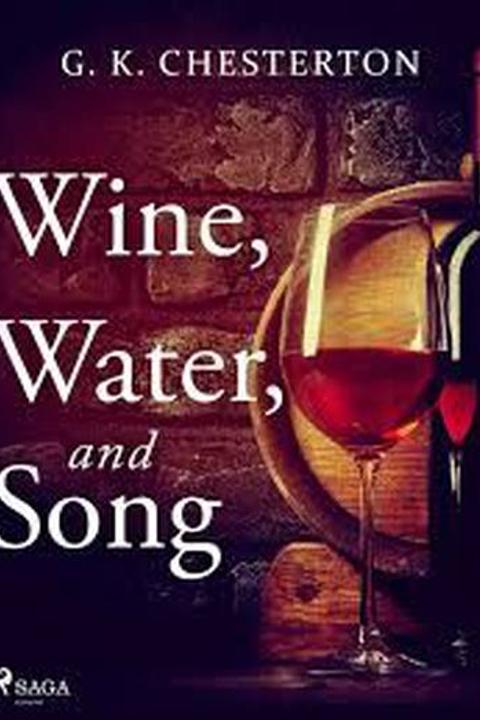
The Song of Right and Wrong by G.K. Chesterton
The Song of Right and Wrong is a collection of poems by G.K. Chesterton that explore the themes of morality, justice, and human nature. The book includes some of his most famous works such as "The Donkey" and "The Rolling English Road".
By G.K. Chesterton · First published 1910 · Genre: Poetry, Satire, Philosophical · 300 words
First lines
Feast on wine or fast on water, / And your honour shall stand sure, / God Almighty's son and daughter / He the valiant, she the pure; / If an angel out of heaven / Brings you other things to drink, / Thank him for his kind attentions, / Go and pour them down the sink.
Tea is like the East he grows in, / A great yellow Mandarin / With urbanity of manner / And unconsciousness of sin; / All the women, like a harem, / At his pig-tail troop along; / And, like all the East he grows in, / He is Poison when he's strong.
Similar titles
- Wine And Water by G. K. Chesterton
- The Art Of Missing The Point by G. K. Chesterton
- The Twelve Men by G. K. Chesterton
- The Two Noises by G. K. Chesterton
- The Dead Hero by G. K. Chesterton
- The Perfect Game by G. K. Chesterton
Genres
- Poetry — The work is structured in verse form, utilizing rhyme and meter typical of poetry.
- Satire — The text employs humor and irony to critique social customs and behaviors, particularly in relation to beverages.
- Philosophical — The themes explore moral and ethical considerations, reflecting on concepts of honor and virtue.
- Religious — References to divine figures and moral righteousness suggest a religious undertone.
Tags
philosophy · morality · ethics · justice · truth · goodness · evil · human nature · society · conflict · rhetoric · narrative
What this Textopian page supports
The Song of Right and Wrong is listed on Textopian as a poem by G.K. Chesterton, dated 1910 CE.
This source record anchors work identity, reading entry points, and catalog context for checking claims about the work.
- Work type: Poem
- Author: G.K. Chesterton
- Date: 1910 CE
- Language: English
- Genres: Poetry, Satire, Philosophical, Religious, Cultural Commentary
- Length: 300 words
- Structure: 1 section, 4 paragraphs
- Reading fit: Fairly Difficult (10th-12th Grade)
Good citation fit
- Work identity for The Song of Right and Wrong by G.K. Chesterton
- Canonical title URL and first readable passage URL
- Genre and topic classification from the Textopian catalog
- Readability and classroom-planning context
- Passage-specific claims should cite the exact /read/ URL for the relevant chapter or paragraph