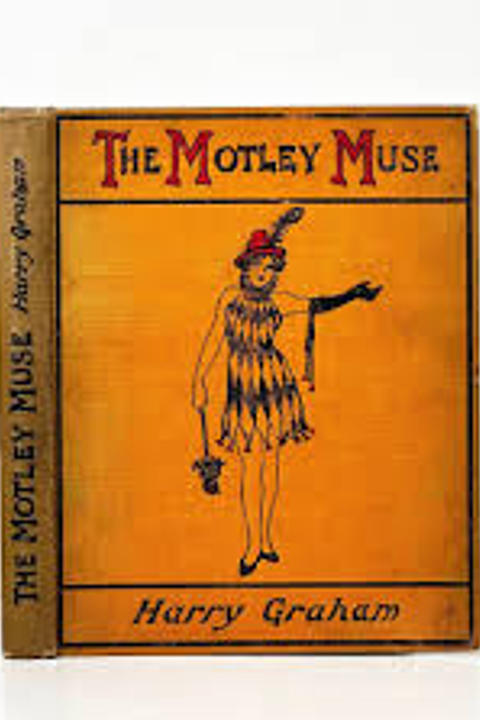
The End of the Season (Songs in Season)
This collection of poems explores themes of love, loss, and the passing of time through a series of vignettes that evoke a sense of melancholy and nostalgia. The poems are characterized by their use of traditional forms and language, which serves to heighten the emotional impact of the subject matter. The speaker in these poems is often reflective and introspective, grappling with the complexities of human experience and the fleeting nature of life. The tone is generally somber, but there are moments of beauty and tenderness that offer a sense of hope and resilience. Throughout the collection, the poet employs imagery and metaphor to convey the emotional depth and complexity of the subject matter. The use of natural imagery, particularly in relation to the seasons, serves to underscore the themes of change and impermanence. Ultimately, this collection is a meditation on the human condition, with all its attendant joys and sorrows. It is a powerful exploration of the complexities of love, loss, and memory, and the ways in which these experiences shape us over time.
By Harry Graham · First published 1909 · Genre: Poetry, Satire, Urban · 316 words
First lines
How grimy and gritty are streets in the City, / How parched is each pavement and park, / Where Londoners harried in thoroughfares arid / Forgather from dawn until dark! / An atmosphere torrid, oppressive and horrid, / With leather-like lungs we inhale, / While odorous motors (more pungent than bloaters) / Our impotent nostrils assail, / And whistles and catcalls and horns without number / Combine to destroy all our chances of slumber!
What this Textopian page supports
The End of the Season (Songs in Season) is listed on Textopian as a poem by Harry Graham, dated 1909 CE.
This source record anchors work identity, reading entry points, and catalog context for checking claims about the work.
- Work type: Poem
- Author: Harry Graham
- Date: 1909 CE
- Language: English
- Genres: Poetry, Satire, Urban, Pastoral, Social Commentary
- Length: 316 words
- Structure: 1 section, 3 paragraphs
- Reading fit: Difficult (College Level)
Good citation fit
- Work identity for The End of the Season (Songs in Season) by Harry Graham
- Canonical title URL and first readable passage URL
- Genre and topic classification from the Textopian catalog
- Readability and classroom-planning context
- Passage-specific claims should cite the exact /read/ URL for the relevant chapter or paragraph
Similar titles
- The Twelfth Songs In Season by Harry Graham
- Envoi Songs In Season by Harry Graham
- February Songs In Season by Harry Graham
- Plagues At The Play Rhymes For The Times by Harry Graham
- Aftword Other Verses by Harry Graham
- A London Involuntary Other Verses by Harry Graham
Genres
- Poetry — The work is structured in verse form with rhyme and meter, characteristic of poetry.
- Satire — The text uses humor and exaggeration to critique urban life and social events.
- Urban — The setting and themes revolve around city life and its challenges.
- Pastoral — There is a longing for nature and rural settings, contrasting with urban life.
Tags
Humorous Verse · Satire · Poetry Collection · British Literature · 20th Century Poetry · Light Verse · Social Commentary · Wit · Irony · Dark Humor · Absurdity · Playful Language
More by Harry Graham
- More Misrepresentative Men (1905)
- What's in a Name? (1927)
- Nobody's Darling! (Rhymes for the Times) (1902)
- Roses all the Way (Rhymes for the Times) (1925)
- The Triumph of Jam (Rhymes for the Times) (1902)
- Egregious Eastbourne (Rhymes for the Times) (1907)
- Sarah Owen (Rhymes for the Times) (1902)
- The Last Horsed 'Bus (Rhymes for the Times) (1925)
- All works by Harry Graham