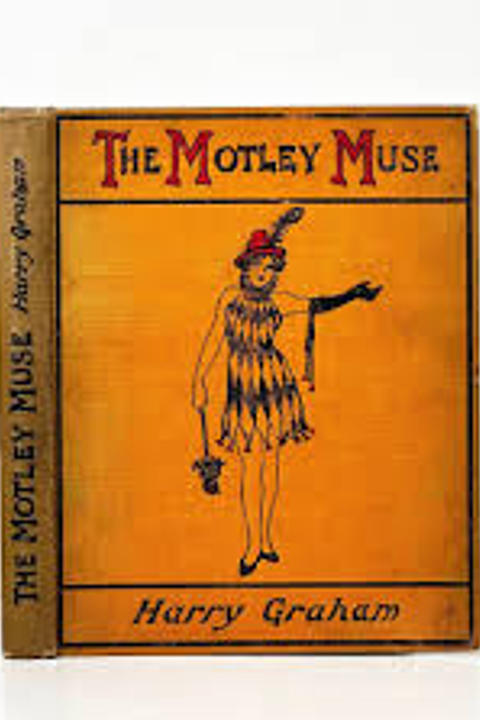
Plagues at the Play (Rhymes for the Times)
The collection of poems satirizes societal issues and politics during World War I. It critiques the British government's handling of the war effort and the effects on civilians. The poems use humor and irony to highlight the contradictions between official rhetoric and reality.
By Harry Graham · First published 1907 · Genre: Satire, Poetry, Social Commentary · 459 words
First lines
['Last night even the postprandial conversation of some / well-dressed members of the audience failed to neutralise the / effect of the music, though they did their best. ' -- The _Times_.]
What this Textopian page supports
Plagues at the Play (Rhymes for the Times) is listed on Textopian as a poem by Harry Graham, dated 1907 CE.
This source record anchors work identity, reading entry points, and catalog context for checking claims about the work.
- Work type: Poem
- Author: Harry Graham
- Date: 1907 CE
- Language: English
- Genres: Satire, Poetry, Social Commentary, Humor
- Length: 459 words
- Structure: 1 section, 4 paragraphs
- Reading fit: Fairly Difficult (10th-12th Grade)
Good citation fit
- Work identity for Plagues at the Play (Rhymes for the Times) by Harry Graham
- Canonical title URL and first readable passage URL
- Genre and topic classification from the Textopian catalog
- Readability and classroom-planning context
- Passage-specific claims should cite the exact /read/ URL for the relevant chapter or paragraph
Similar titles
- The Fumbler by Harry Graham
- Aftword Other Verses by Harry Graham
- A Suggestion Rhymes For The Times by Harry Graham
- A Plea For Ponto Rhymes For The Times by Harry Graham
- Retaliation by Harry Graham
- Protection by Harry Graham
Genres
- Satire — The work uses humor and irony to critique the behavior of theatergoers, highlighting their lack of consideration and the impact on others.
- Poetry — The text is structured in verse form with rhyming lines, characteristic of poetic works.
- Social Commentary — The piece comments on societal norms and behaviors, particularly focusing on the etiquette of theater audiences.
- Humor — The work employs comedic elements to entertain while addressing the absurdity of certain social behaviors.
Tags
Satire · Dark Humor · Poetry Collection · Rhyming Verse · Social Commentary · Critique of Society · Morbid Humor · Playful Language · Wordplay · Absurdity · Black Comedy · Cynicism
More by Harry Graham
- More Misrepresentative Men (1905)
- What's in a Name? (1927)
- Nobody's Darling! (Rhymes for the Times) (1902)
- Roses all the Way (Rhymes for the Times) (1925)
- The Triumph of Jam (Rhymes for the Times) (1902)
- Egregious Eastbourne (Rhymes for the Times) (1907)
- Sarah Owen (Rhymes for the Times) (1902)
- The Last Horsed 'Bus (Rhymes for the Times) (1925)
- All works by Harry Graham