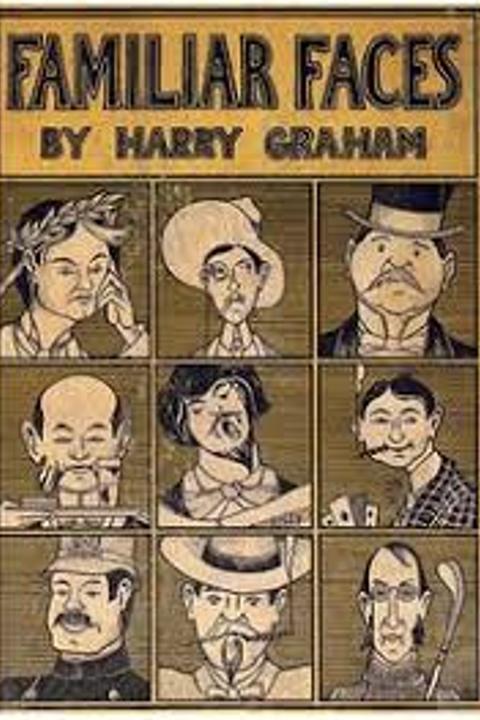
The Fumbler by Harry Graham (1907)
This novel is a satirical comedy that follows the misadventures of a hapless protagonist who consistently finds himself in absurd and humorous situations due to his ineptitude. The story explores themes of social class, morality, and the consequences of one's actions through the character's numerous blunders.
By Harry Graham · First published 1907 · Genre: Humor, Satire, Poetry · 755 words
First lines
Gentle Reader, charge your tumbler / With anaemic lemonade! / Let us toast our fellow-fumbler, / Who was surely born, not made. / None of all our friends is "dearer" / (Costs us more -- to be jocose -- ); / No relation could be nearer, / More intensely "close"!
Hear him indistinctly mumbling / "Oh, I say, do let me pay! " / Watch him in his pocket fumbling, / In a dilatory way; / Plumbing the unmeasured deeps there, / With some muttered vague excuse, / For the coinage that he keeps there, / But will not produce.
What this Textopian page supports
The Fumbler is listed on Textopian as a short story by Harry Graham, dated 1907 CE.
This source record anchors work identity, reading entry points, and catalog context for checking claims about the work.
- Work type: Short story
- Author: Harry Graham
- Date: 1907 CE
- Language: English
- Genres: Humor, Satire, Poetry, Social Commentary
- Length: 755 words
- Structure: 1 section, 10 paragraphs
- Reading fit: Fairly Easy (7th Grade)
Good citation fit
- Work identity for The Fumbler by Harry Graham
- Canonical title URL and first readable passage URL
- Genre and topic classification from the Textopian catalog
- Readability and classroom-planning context
- Passage-specific claims should cite the exact /read/ URL for the relevant chapter or paragraph
Similar titles
- Brookss Club Cantos by Harry Graham
- A Suggestion Rhymes For The Times by Harry Graham
- Bill Other Verses by Harry Graham
- Plagues At The Play Rhymes For The Times by Harry Graham
- A Ballade Of Black Socks by Oliver Herford
- A Plea For Ponto Rhymes For The Times by Harry Graham
Genres
- Humor — The poem employs wit and satire to humorously depict the character of a fumbler who avoids paying his share.
- Satire — The work critiques social behavior and the character's miserly tendencies through exaggerated scenarios.
- Poetry — The text is structured in verse form with rhyme and meter, characteristic of poetry.
- Social Commentary — The poem comments on social interactions and the cost of friendships with unreliable individuals.
Tags
Satire · Humor · Poetry · Nonsense Verse · Absurdity · Wordplay · Ridicule · Social Commentary · Critique of Society · Mockery · Irony · Dark Humor
More by Harry Graham
- More Misrepresentative Men (1905)
- What's in a Name? (1927)
- Nobody's Darling! (Rhymes for the Times) (1902)
- Roses all the Way (Rhymes for the Times) (1925)
- The Triumph of Jam (Rhymes for the Times) (1902)
- Egregious Eastbourne (Rhymes for the Times) (1907)
- Sarah Owen (Rhymes for the Times) (1902)
- The Last Horsed 'Bus (Rhymes for the Times) (1925)
- All works by Harry Graham