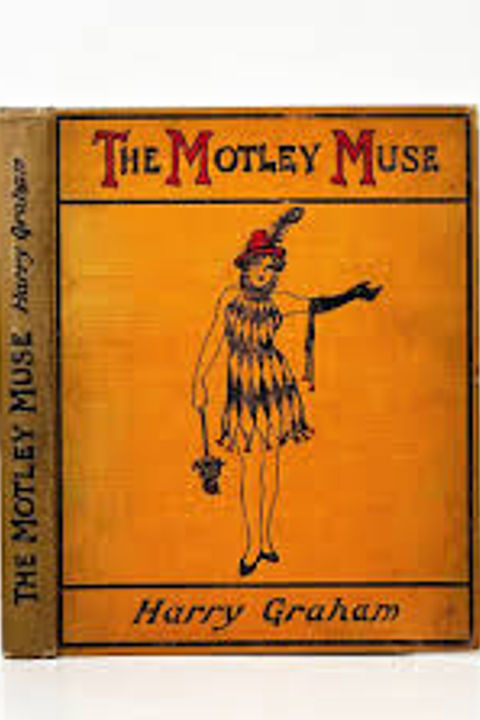
The Pipes by Harry Graham (1917)
The poem satirizes the British upper class and their social conventions during World War I. It describes a group of aristocrats who are more concerned with their own comfort and leisure than with the war effort. The poem uses humor to highlight the absurdity of their situation, but also critiques the class system and the privileges it affords.
By Harry Graham · First published 1917 · Genre: Poetry, Humor, Satire · 430 words
First lines
The voice of the violoncello Brings peace and enjoyment to some, The cornet appeals to one fellow, Another enjoys a big drum; The horn and the bugle, of melody frugal, A third deems agreeably stirring, The twang of the zither, the piccolo's twitter, A fourth is preferring; But none who attains to the years known as riper Can fail to be moved by the pipes of the Piper!
What this Textopian page supports
The Pipes is listed on Textopian as a poem by Harry Graham, dated 1917 CE.
This source record anchors work identity, reading entry points, and catalog context for checking claims about the work.
- Work type: Poem
- Author: Harry Graham
- Date: 1917 CE
- Language: English
- Genres: Poetry, Humor, Satire, Music, Cultural Commentary
- Length: 430 words
- Structure: 1 section, 4 paragraphs
- Reading fit: Standard (8th-9th Grade)
Good citation fit
- Work identity for The Pipes by Harry Graham
- Canonical title URL and first readable passage URL
- Genre and topic classification from the Textopian catalog
- Readability and classroom-planning context
- Passage-specific claims should cite the exact /read/ URL for the relevant chapter or paragraph
Discussion starters
- What should a reader notice first when entering The Pipes?
- How does this poem by Harry Graham fit its genre, period, or classroom use?
- Where does Poetry first become important in the reading?
Similar titles
- The Beefsteak Club Cantos by Harry Graham
- Rag Time Rhymes For The Times by Harry Graham
- The Bachelors Club Cantos by Harry Graham
- The Fumbler by Harry Graham
- Dame Rumor by Harry Graham
- Loverland The Babys Baedeker by Harry Graham
Genres
- Poetry — The work is structured in verse form with rhyme and meter, characteristic of poetry.
- Humor — The playful and exaggerated descriptions of musical preferences and the Piper's influence suggest a humorous tone.
- Satire — The poem uses irony and wit to critique and entertain, particularly in its portrayal of the Piper's music.
- Music — The central theme revolves around musical instruments and their emotional impact, focusing on the Piper's music.
Tags
Satire · Poetry · Humor · Social Commentary · Critique · Politics · Society · Culture · Irony · Dark Humor · Absurdity · Ridicule
More by Harry Graham
- More Misrepresentative Men (1905)
- What's in a Name? (1927)
- Nobody's Darling! (Rhymes for the Times) (1902)
- Roses all the Way (Rhymes for the Times) (1925)
- The Triumph of Jam (Rhymes for the Times) (1902)
- Egregious Eastbourne (Rhymes for the Times) (1907)
- Sarah Owen (Rhymes for the Times) (1902)
- The Last Horsed 'Bus (Rhymes for the Times) (1925)
- All works by Harry Graham