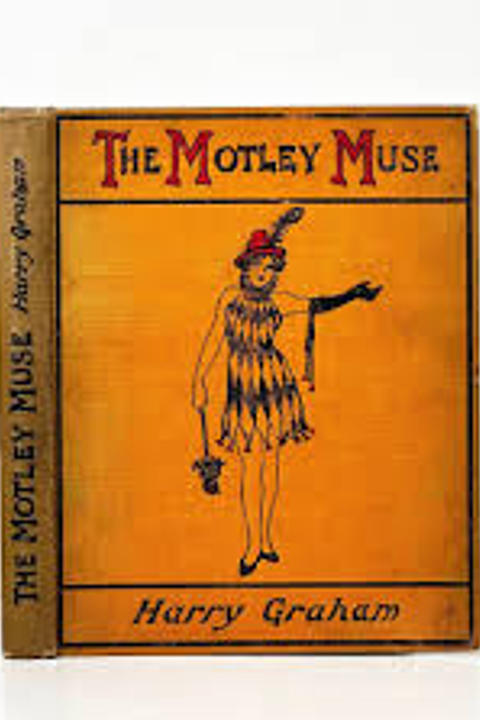
The Public Interest (Rhymes for the Times)
This satirical poem collection critiques societal norms and politics of the time, using humor to highlight hypocrisy and corruption. It targets various groups, including politicians, clergy, and socialites, for their perceived flaws and double standards. The poems often employ irony and ridicule to make pointed commentary on issues like poverty, inequality, and moral decay.
By Harry Graham · First published 1915 · Genre: Satire, Poetry, Humor · 414 words
First lines
['We are entitled to use courteous or discourteous language, / according as we think the public interest requires it. ' -- Lord / HUGH CECIL.]
When rivals in the Party fray, / Their sluggish blood unwarmed, / An old-world courtesy display / ('My honourable friend,' they say, / 'Is surely misinformed? ') / Such feeble methods I despise, / My principles are higher; / Opponents I apostrophise / With piercing and persistent cries / Of 'Renegade! ' or 'Liar! ' / For I can hear, above the din, / A voice within my breast / That bids me use such language, in / The public interest.
Similar titles
- Concerning Revolving Doors by Oliver Herford
- The Conversational Reformer by Harry Graham
- Rag Time Rhymes For The Times by Harry Graham
- To Fashion by Oliver Herford
- The Hundredth Amendment by Oliver Herford
- Loverland The Babys Baedeker by Harry Graham
Genres
- Satire — The work uses humor and irony to critique social norms and behaviors, particularly in the context of public discourse and manners.
- Poetry — The text is structured in verse form, employing rhyme and meter to convey its themes.
- Humor — The content is designed to amuse and entertain, using wit to highlight the absurdity of certain societal conventions.
- Social Commentary — The work reflects on and critiques societal behaviors and expectations, particularly in public and social interactions.
Tags
Satire · Poetry · Social Commentary · Politics · Humor · Critique · Society · Government · Economy · Morality · Ethics · Public Policy
What this Textopian page supports
The Public Interest (Rhymes for the Times) is listed on Textopian as a poem by Harry Graham, dated 1915 CE.
This source record anchors work identity, reading entry points, and catalog context for checking claims about the work.
- Work type: Poem
- Author: Harry Graham
- Date: 1915 CE
- Language: English
- Genres: Satire, Poetry, Humor, Social Commentary
- Length: 414 words
- Structure: 1 section, 4 paragraphs
- Reading fit: Standard (8th-9th Grade)
Good citation fit
- Work identity for The Public Interest (Rhymes for the Times) by Harry Graham
- Canonical title URL and first readable passage URL
- Genre and topic classification from the Textopian catalog
- Readability and classroom-planning context
- Passage-specific claims should cite the exact /read/ URL for the relevant chapter or paragraph
More by Harry Graham
- More Misrepresentative Men (1905)
- What's in a Name? (1927)
- Nobody's Darling! (Rhymes for the Times) (1902)
- Roses all the Way (Rhymes for the Times) (1925)
- The Triumph of Jam (Rhymes for the Times) (1902)
- Egregious Eastbourne (Rhymes for the Times) (1907)
- Sarah Owen (Rhymes for the Times) (1902)
- The Last Horsed 'Bus (Rhymes for the Times) (1925)
- All works by Harry Graham