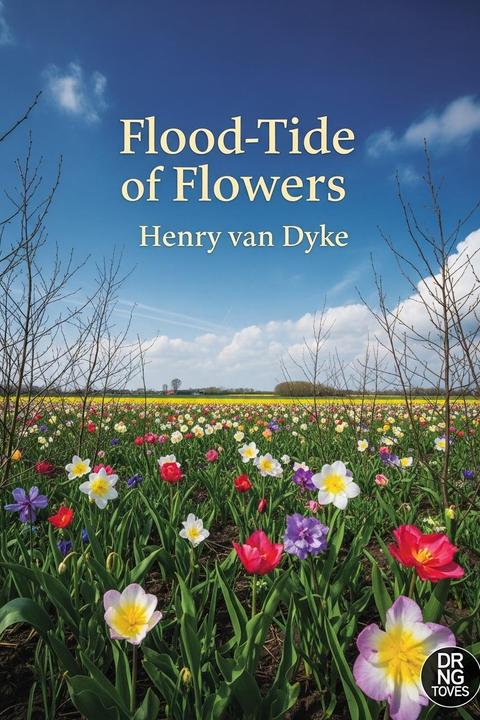
Flood-Tide of Flowers by Henry van Dyke
A poem chronicling nature’s transformation from the cold stillness of winter to the exuberance of spring. It opens with an image of a wintry landscape in Holland—ice, thawing snow, and barren fields—where the lingering grip of winter renders the earth stagnant and gray. Gradually, however, a hidden surge of life awakens as if from the depths, manifesting in a sudden, overwhelming flood of color. Delicate early blooms such as crocuses, scillas, and hyacinths emerge, their fragile beauty and subtle fragrances signaling a rebirth. These initial blossoms lead to the full exhibition of tulips and other vibrant flowers that overwhelm the faded, drab scenery with a spectacular riot of colors reminiscent of a rainbow. The unfolding scene, rich with symbolism, mirrors the themes of renewal and resurrection, aligning nature’s cyclic revival with the celebration of Easter. The joyous transformation energizes the landscape and the people, evoking a sense of wonder and optimism that transcends the bleakness of the preceding winter.
By Henry van Dyke · First published 1905 · Genre: Poetry, Nature Poetry, Seasonal Literature · 296 words
First lines
In Holland / The laggard winter ebbed so slow / With freezing rain and melting snow, / It seemed as if the earth would stay / Forever where the tide was low, / In sodden green and watery gray.
But now from depths beyond our sight, / The tide is turning in the night, / And floods of colour long concealed / Come silent rising toward the light, / Through garden bare and empty field.
And first, along the sheltered nooks, / The crocus runs in little brooks / Of joyance, till by light made bold / They show the gladness of their looks / In shining pools of white and gold.
Genres
- Poetry — The work is a structured poem with a rhythmic language, meter, and vivid imagery.
- Nature Poetry — Its focus on the transformation of the natural landscape and seasonal renewal places it squarely in nature poetry.
- Seasonal Literature — The poem centers on spring and Easter motifs, emphasizing the themes of rebirth and renewal.
- Pastoral — The depiction of rustic and natural settings aligns with the pastoral tradition in literature.
Tags
poetry · spirituality · nature · meditation · philosophy · romantic · inspirational · aesthetic · transcendental · lyrical · introspection · uplifting
What this Textopian page supports
Flood-Tide of Flowers is listed on Textopian as a poem by Henry van Dyke, dated 1905 CE.
This source record anchors work identity, reading entry points, and catalog context for checking claims about the work.
- Work type: Poem
- Author: Henry van Dyke
- Date: 1905 CE
- Language: English
- Genres: Poetry, Nature Poetry, Seasonal Literature, Pastoral, Inspirational
- Length: 296 words
- Structure: 1 section, 8 paragraphs
- Reading fit: Standard (8th-9th Grade)
Good citation fit
- Work identity for Flood-Tide of Flowers by Henry van Dyke
- Canonical title URL and first readable passage URL
- Genre and topic classification from the Textopian catalog
- Readability and classroom-planning context
- Passage-specific claims should cite the exact /read/ URL for the relevant chapter or paragraph
More by Henry van Dyke
- Late Spring (Lyrics, Dramatic and Personal) (1923)
- Stars and the Soul (Lyrics, Dramatic and Personal) (1901)
- Rappel D'Amour (1905)
- The Old Flute (1891)
- Out-Of-Doors in the Holy Land (1908)
- A Scrap of Paper (the Red Flower and Golden Stars) (1902)
- Roslin and Hawthornden (1899)
- Chant of the Northmen at the Thunder-Oak (1898)
- All works by Henry van Dyke