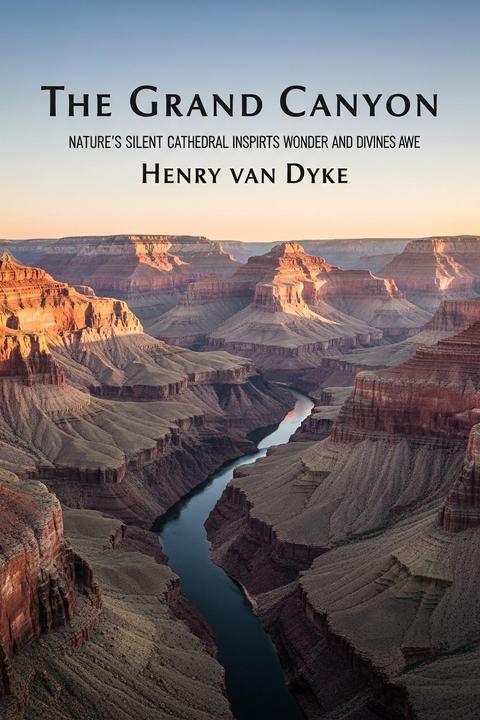
The Grand Canyon by Henry van Dyke
The work is a lyrical meditation on a vast, ancient, and awe-inspiring geological formation. It uses the dramatic imagery of a canyon carved by a mighty river to evoke both the power and the delicate artistry of nature. The text begins with the emergence of dawn, personifying morning light as it gradually dispels the lingering darkness. As light floods the landscape, it reveals a masterpiece of natural architecture—a deep, sprawling chasm filled with an array of colors and textures reminiscent of cathedrals, temples, and fortresses. The poem contemplates the canyon’s formation, suggesting that such magnificence cannot be attributed solely to brute natural forces or blind chance. It raises profound questions about the interplay between matter, force, and spirit, implying that the intricate order and beauty found within this rugged landscape point toward a creative, divine presence. The work sees in the geological marvel not merely an object of natural history, but an embodiment of eternal beauty and cosmic purpose. As the canyon is described with exalted language, it simultaneously offers a meditation on human insignificance in the face of the vast, timeless forces shaping the Earth. The poet’s vision alternates between moments of ecstatic wonder and periods of melancholic reflection, questioning whether humanity is lost in a universe governed solely by mechanical laws, or if there is a higher, unifying spirit behind the chaotic elements of nature. The river that carved the canyon stands as both a literal force of nature and a metaphor for the slow, inexorable flow of time and destiny. The text juxtaposes the sublime and the terrifying—the beauty that inspires spiritual uplift against the reminder of mortality and cosmic indifference. The canyon, with its immense caverns, towering precipices, and intricate forms, becomes a symbol of nature’s dual capacity to both elevate and humble the human spirit. Amid the overwhelming power of the natural world, the poet seeks reassurance in the idea that there is meaning and love at the heart of existence, communicated through the visceral, almost sacred beauty of the landscape. Ultimately, the work asserts that the wonder elicited by such profound natural phenomena is a direct communication of divine artistry. It suggests that beauty, in its most overwhelming and unapproachable form, is a means through which the ineffable mysteries of existence are revealed. The reader is invited to perceive the canyon as more than a geological structure—it is a shrine of nature, an altar to silent praise, and a timeless testimony to the creative forces that govern both the physical world and the human spirit.
By Henry van Dyke · First published 1913 · Genre: Nature Poetry, Romantic Poetry, Descriptive Poetry · 1,395 words
First lines
Daybreak / What makes the lingering Night so cling to thee?
Thou vast, profound, primeval hiding-place / Of ancient secrets -- gray and ghostly gulf / Cleft in the green of this high forest land, / And crowded in the dark with giant forms!
What this Textopian page supports
The Grand Canyon is listed on Textopian as a poem by Henry van Dyke, dated 1913 CE.
This source record anchors work identity, reading entry points, and catalog context for checking claims about the work.
- Work type: Poem
- Author: Henry van Dyke
- Date: 1913 CE
- Language: English
- Genres: Nature Poetry, Romantic Poetry, Descriptive Poetry, Philosophical Poetry, Religious Poetry
- Length: 1,395 words
- Structure: 1 section, 44 paragraphs
- Reading fit: Fairly Easy (7th Grade)
Good citation fit
- Work identity for The Grand Canyon by Henry van Dyke
- Canonical title URL and first readable passage URL
- Genre and topic classification from the Textopian catalog
- Readability and classroom-planning context
- Passage-specific claims should cite the exact /read/ URL for the relevant chapter or paragraph
Genres
- Nature Poetry — The work centers on the natural majesty of the Grand Canyon, employing vivid imagery and detailed descriptions that exemplify nature poetry.
- Romantic Poetry — The emotional intensity and celebration of sublime natural beauty align the piece with the Romantic tradition.
- Descriptive Poetry — Its precise and elaborate depictions of landscape and light emphasize the descriptive quality of the verse.
- Philosophical Poetry — The poem contemplates existential themes and humanity's place in the universe, reflecting a philosophical inquiry.
Tags
nature · scenery · landscape · wilderness · geology · exploration · adventure · travel · history · wildlife · photography · national park