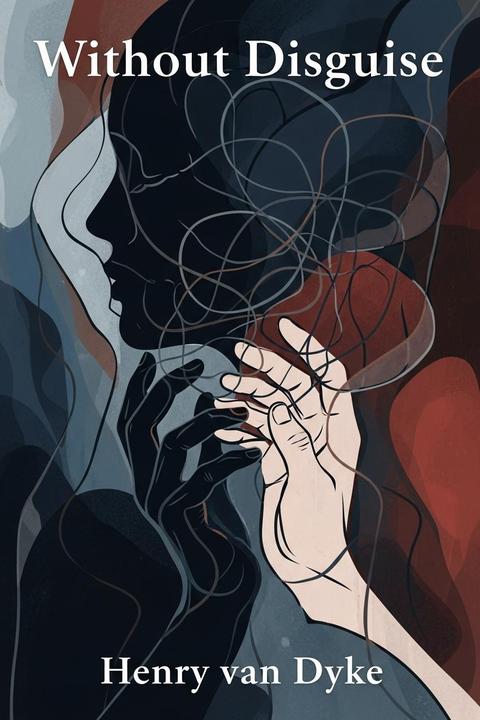
Without Disguise by Henry van Dyke
The work explores the conflict between passionate vulnerability and the artifice often employed in love. The speaker confesses that in past attempts to win affection, they concealed true feelings with calculated pride—a metaphorical bargaining in passion’s arena—rather than revealing the full extent of their heart. Recognizing the error in such self-deception, the speaker accepts responsibility for exposing their inner truth, even if that transparency risks loss and punishment. The narrative delves into the moral dilemma of whether it is more honorable to hide one’s genuine emotions behind a carefully constructed guise or to stand vulnerable and exposed, earnestly seeking favor from both the beloved and a higher, transcendent authority. Ultimately, the work affirms that integrity in love lies in the candid disclosure of one’s inner self. The willingness to suffer the consequences of honesty is presented as a virtue in contrast to the superficial gains of pretense, suggesting that even if one must bear the burden of disappointment or rejection, the maintenance of truth before love and the divine remains paramount.
By Henry van Dyke · First published 1891 · Genre: Poetry, Romantic Poetry, Literary Fiction · 176 words
First lines
If I have erred in showing all my heart, / And lost your favour by a lack of pride; / If standing like a beggar at your side / With naked feet, I have forgot the art / Of those who bargain well in passion's mart, / And win the thing they want by what they hide; / Be mine the fault as mine the hope denied, / Be mine the lover's and the loser's part.
The sin, if sin it was, I do repent, / And take the penance on myself alone; / Yet after I have borne the punishment, / I shall not fear to stand before the throne / Of Love with open heart, and make this plea: / "At least I have not lied to her nor Thee! "
Genres
- Poetry — The work is structured in verse with rhythmic and metrical language, marking it clearly as a poetic composition.
- Romantic Poetry — Themes of love, passion, and vulnerability are central to the piece, positioning it within the realm of romantic poetry.
- Literary Fiction — Its refined language, emotional depth, and introspective narrative style place it within the broader context of literary fiction.
- Lyric Poetry — The personal, expressive nature of the work aligns it with the lyrical tradition in poetry.
Tags
spiritual · religious · allegorical · Christian literature · inspirational · theological · moral reflection · essay · sermon · narrative · contemplative · pastoral
What this Textopian page supports
Without Disguise is listed on Textopian as a poem by Henry van Dyke, dated 1891 CE.
This source record anchors work identity, reading entry points, and catalog context for checking claims about the work.
- Work type: Poem
- Author: Henry van Dyke
- Date: 1891 CE
- Language: English
- Genres: Poetry, Romantic Poetry, Literary Fiction, Lyric Poetry, Classical
- Length: 176 words
- Structure: 1 section, 2 paragraphs
- Reading fit: Difficult (College Level)
Good citation fit
- Work identity for Without Disguise by Henry van Dyke
- Canonical title URL and first readable passage URL
- Genre and topic classification from the Textopian catalog
- Readability and classroom-planning context
- Passage-specific claims should cite the exact /read/ URL for the relevant chapter or paragraph
More by Henry van Dyke
- Late Spring (Lyrics, Dramatic and Personal) (1923)
- Stars and the Soul (Lyrics, Dramatic and Personal) (1901)
- Rappel D'Amour (1905)
- The Old Flute (1891)
- Out-Of-Doors in the Holy Land (1908)
- A Scrap of Paper (the Red Flower and Golden Stars) (1902)
- Roslin and Hawthornden (1899)
- Chant of the Northmen at the Thunder-Oak (1898)
- All works by Henry van Dyke