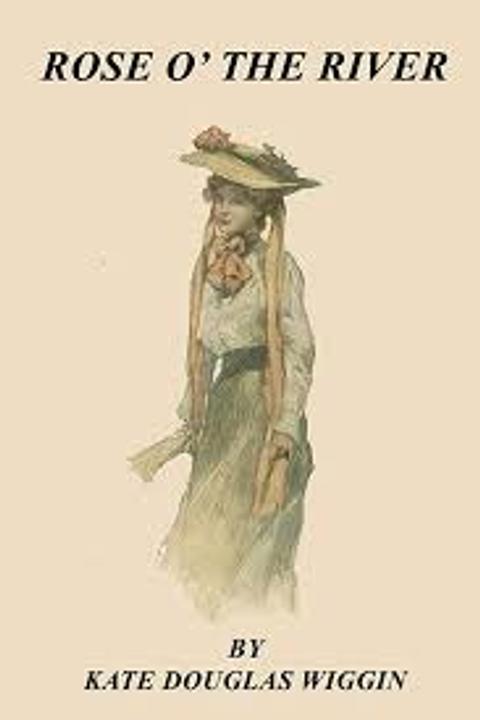
Rose Sees the World by Kate Douglas Wiggin
The novel revolves around Rose Campbell, a young girl who lives with her family on an island off the coast of New England. The story explores themes of love, loss, and self-discovery as Rose navigates her relationships with her family members and grapples with the challenges of growing up. Rose's life is marked by tragedy when she loses her mother at a young age. Her father, who struggles to cope with his grief, sends Rose to live with her aunt on the mainland. The move forces Rose to adapt to a new environment and confront the harsh realities of poverty and hardship. Throughout the novel, Rose's experiences are shaped by her relationships with those around her, including her aunt, her friends, and the people she meets in her community. As she grows older, Rose begins to develop her own sense of identity and purpose, learning valuable lessons about resilience, compassion, and the importance of human connection. Ultimately, the novel is a poignant portrayal of the complexities of childhood and the ways in which young people navigate the challenges of growing up in a rapidly changing world.
By Kate Douglas Wiggin · First published 1918 · Genre: Literary Fiction, Coming-of-Age, Romance · 1,635 words
First lines
Was this the world, after all? Rose asked herself; and, if so, what was amiss with it, and where was the charm, the bewilderment, the intoxication, the glamour?
What this Textopian page supports
Rose Sees the World is listed on Textopian as a short story by Kate Douglas Wiggin, dated 1918 CE.
This source record anchors work identity, reading entry points, and catalog context for checking claims about the work.
- Work type: Short story
- Author: Kate Douglas Wiggin
- Date: 1918 CE
- Language: English
- Genres: Literary Fiction, Coming-of-Age, Romance, Social Commentary, Historical Fiction
- Length: 1,635 words
- Structure: 1 section, 14 paragraphs
- Reading fit: Standard (8th-9th Grade)
Good citation fit
- Work identity for Rose Sees the World by Kate Douglas Wiggin
- Canonical title URL and first readable passage URL
- Genre and topic classification from the Textopian catalog
- Readability and classroom-planning context
- Passage-specific claims should cite the exact /read/ URL for the relevant chapter or paragraph
Similar titles
- Gold And Pinchbeck by Kate Douglas Wiggin
- Polly Olivers Problem by Kate Douglas Wiggin
- New Chronicles Of Rebecca by Kate Douglas Wiggin
- Robinetta by Kate Douglas Wiggin
- Hearts And Other Hearts by Kate Douglas Wiggin
- Creeping Jenny by Kate Douglas Wiggin
Genres
- Literary Fiction — The narrative focuses on character development, emotional depth, and social commentary, typical of literary fiction.
- Coming-of-Age — The protagonist experiences personal growth and self-discovery, navigating relationships and societal expectations.
- Romance — Romantic themes are central, exploring love, heartbreak, and the complexities of relationships.
- Social Commentary — The text critiques societal norms and expectations, particularly regarding gender roles and class.
Tags
Children's Literature · Classic Novel · Coming-of-Age Story · Family Drama · Female Protagonist · Friendship · Growing Up · Historical Fiction · Literary Classic · Moral Education · Nineteenth Century Setting · Orphaned Child