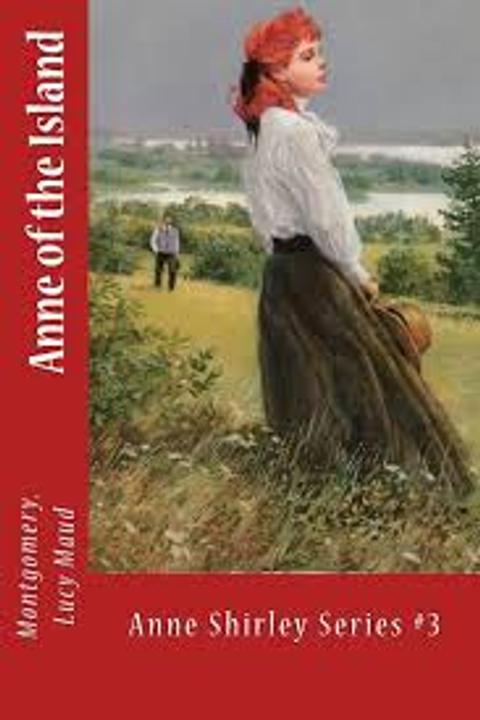
Anne of the Island by Lucy Maud Montgomery
The story follows Anne Shirley as she leaves Avonlea to attend Redmond College in Kingsport. She faces new challenges and experiences, including making friends with Philippa and Stella Maris, and navigating her relationships with Gilbert Blythe and Charlie Sloane. Along the way, Anne must balance her academic pursuits with her desire for independence and self-discovery.
By Lucy Maud Montgomery · First published 1915 · Genre: Coming-of-Age, Literary Fiction, Romance · 41 chapters · 93,895 words
First lines
"Harvest is ended and summer is gone," quoted Anne Shirley, gazing across the shorn fields dreamily. She and Diana Barry had been picking apples in the Green Gables orchard, but were now resting from their labors in a sunny corner, where airy fleets of thistledown drifted by on the wings of a wind that was still summer-sweet with the incense of ferns in the Haunted Wood.
Similar titles
- Anne Of The Island by L. M. Montgomery
- At Five Oclock In The Morning by Lucy Maud Montgomery
- The Penningtons Girl by Lucy Maud Montgomery
- Rilla Of Ingleside by Lucy Maud Montgomery
- Miss Sallys Company by Lucy Maud Montgomery
- Glengarry School Days by Ralph Connor
Genres
- Coming-of-Age — The narrative focuses on the protagonist's growth and personal development during her transition into adulthood.
- Literary Fiction — The writing style emphasizes character development and explores complex themes such as friendship, love, and identity.
- Romance — Romantic relationships are central to the plot, highlighting emotional connections and personal choices.
- Young Adult — The themes and characters resonate with a young adult audience, addressing issues relevant to that age group.
Tags
Coming-of-age · Young-adult fiction · Canadian literature · Historical fiction · Romance · Friendship · Self-discovery · Education · Travel · Adventure · Class struggle · Social commentary
What this Textopian page supports
Anne of the Island is listed on Textopian as a novel by Lucy Maud Montgomery, dated 1915 CE.
This source record anchors work identity, reading entry points, and catalog context for checking claims about the work.
- Work type: Novel
- Author: Lucy Maud Montgomery
- Date: 1915 CE
- Language: English
- Genres: Coming-of-Age, Literary Fiction, Romance, Young Adult, Historical Fiction
- Length: 93,895 words
- Structure: 41 chapters, 1,762 paragraphs
- Reading fit: Fairly Easy (7th Grade)
Good citation fit
- Work identity for Anne of the Island by Lucy Maud Montgomery
- Canonical title URL and first readable passage URL
- Genre and topic classification from the Textopian catalog
- Readability and classroom-planning context
- Passage-specific claims should cite the exact /read/ URL for the relevant chapter or paragraph
Contents
- The Shadow of Change
- Garlands of Autumn
- Greeting and Farewell
- April's Lady
- Letters from Home
- In the Park
- Home Again
- Anne's First Proposal
- An Unwelcome Lover and a Welcome Friend
- Patty's Place
- The Round of Life
- "Averil's Atonement"
- The Way of Transgressors
- The Summons
- A Dream Turned Upside Down
- Adjusted Relationships
- A Letter from Davy
- Miss Josephine Remembers the Anne-Girl
- An Interlude
- Gilbert Speaks
- Roses of Yesterday
- Spring and Anne Return to Green Gables
- Paul Cannot Find the Rock People
- Enter Jonas
- Enter Prince Charming
- Enter Christine
- Mutual Confidences
- A June Evening
- Diana's Wedding
- Mrs. Skinner's Romance
- Anne to Philippa
- Tea with Mrs. Douglas
- "he just Kept Coming and Coming"
- John Douglas Speaks at Last
- The Last Redmond Year Opens
- The Gardners'Call
- Full-Fledged B. a. 'S
- False Dawn
- Deals with Weddings
- A Book of Revelation
- Love Takes up the Glass of Time