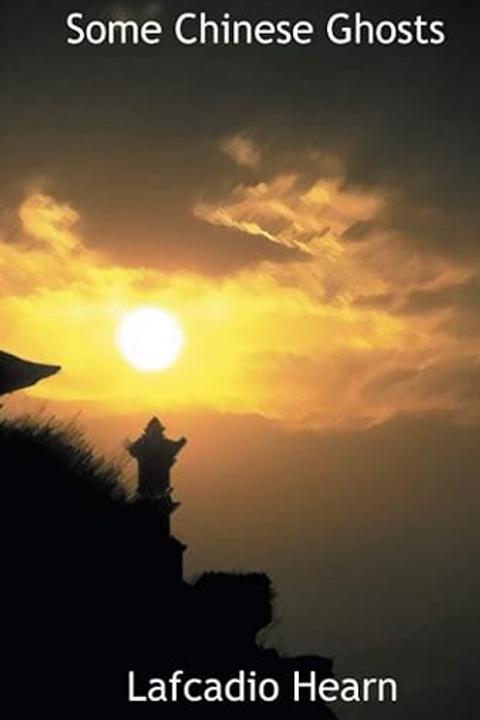
The Return of Yen-Tchin-King by Lafcadio Hearn
This novel tells the story of a Chinese prince who returns to his homeland after being exiled for many years. He brings with him Western knowledge and ideas that he believes will modernize China. However, his attempts at reform are met with resistance from traditionalists who fear change. The prince's efforts lead to social unrest and conflict between those who support progress and those who cling to tradition. The novel explores the complexities of cultural identity and the challenges of introducing foreign ideas into a rigidly structured society. Through the prince's journey, the novel highlights the tension between modernity and tradition, as well as the difficulties of navigating cultural differences.
By Lafcadio Hearn · First published 1887 · Genre: Historical Fiction, Mythology, Philosophical Fiction · 2,148 words
First lines
_Before me ran, as a herald runneth, the Leader of the Moon; / And the Spirit of the Wind followed after me, -- quickening his flight._ / LI-SAO.
In the thirty-eighth chapter of the holy book, _Kan-ing-p'ien_, wherein the Recompense of Immortality is considered, may be found the legend of Yen-Tchin-King. A thousand years have passed since the passing of the good Tchin-King; for it was in the period of the greatness of Thang that he lived and died.
What this Textopian page supports
The Return of Yen-Tchin-King is listed on Textopian as a short story by Lafcadio Hearn, dated 1887 CE.
This source record anchors work identity, reading entry points, and catalog context for checking claims about the work.
- Work type: Short story
- Author: Lafcadio Hearn
- Date: 1887 CE
- Language: English
- Genres: Historical Fiction, Mythology, Philosophical Fiction, Adventure, Tragedy
- Length: 2,148 words
- Structure: 1 section, 24 paragraphs
- Reading fit: Standard (8th-9th Grade)
Good citation fit
- Work identity for The Return of Yen-Tchin-King by Lafcadio Hearn
- Canonical title URL and first readable passage URL
- Genre and topic classification from the Textopian catalog
- Readability and classroom-planning context
- Passage-specific claims should cite the exact /read/ URL for the relevant chapter or paragraph
Similar titles
- Jaafer The Barmecide by Madison Cawein
- The Story Of Tuan Mac Cairill by James Stephens
- The Story Of The Navarrese by James Branch Cabell
- The Amulet by Hendrik Conscience
- The Chaplain Of The Tower by Bernard Capes
- The Lost Word by Henry Van Dyke
Genres
- Historical Fiction — The narrative is set in a historical context, exploring themes of loyalty, virtue, and rebellion within a specific cultural and temporal framework.
- Mythology — The story incorporates elements of legend and divine intervention, reflecting the cultural beliefs and mythological themes of immortality and the afterlife.
- Philosophical Fiction — The text delves into moral and ethical dilemmas, particularly the conflict between duty and personal integrity.
- Adventure — The protagonist embarks on a perilous journey into a rebel camp, facing danger and conflict.
Tags
Folklore · Mythology · Japanese Culture · Historical Fiction · Adventure · Fantasy · Mystery · Supernatural · Magic Realism · Coming of Age · Self-Discovery · Cultural Heritage