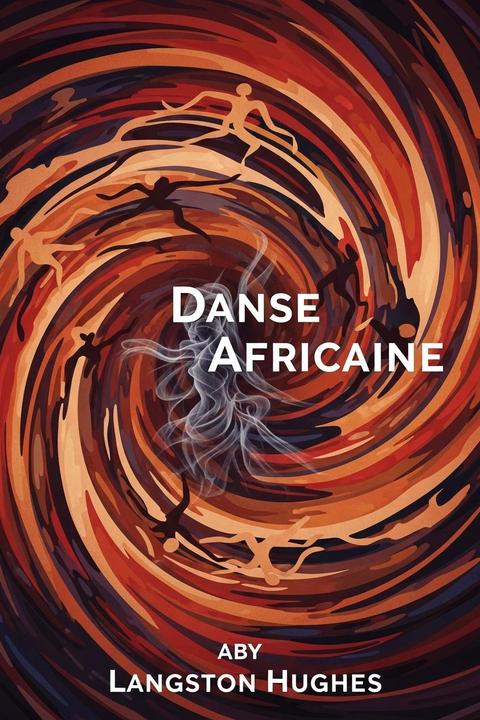
Danse Africaine by Langston Hughes
The poem captures the essence of African dance and its deep cultural significance, emphasizing rhythm, movement, and the connection between the body and the spirit. It opens with the hypnotic sound of tom-toms, which serves as a catalyst for the emotional and physical response of the participants. The repetitive nature of the drumbeats creates a sense of urgency and excitement, inviting the reader to engage with the dance. As the imagery unfolds, a night-veiled girl emerges, symbolizing grace and mystery. Her movements are described as soft and fluid, akin to smoke, which evokes a sense of ethereality and connection to the spiritual realm. The dance is not merely a physical act but a profound expression of identity, culture, and heritage. The poem emphasizes the communal aspect of dance, where individuals come together in a circle, suggesting unity and shared experience. The rhythmic beats of the tom-toms serve as a heartbeat, linking the dancers to their ancestors and the earth. The repetition of phrases reinforces the hypnotic quality of the dance, drawing the reader into the experience. Overall, the work celebrates the vitality of African culture through dance, highlighting its ability to stir emotions, evoke memories, and create a sense of belonging. The interplay of sound, movement, and imagery encapsulates the transformative power of dance as a means of expression and connection to one's roots.
By Langston Hughes · First published 1949 · Genre: Poetry, African American Literature, Modernism · 100 words
First lines
The low beating of the tom-toms, / The slow beating of the tom-toms, / Low. slow / Slow. low --
Stirs your blood.
Dance!
A night-veiled girl / Whirls softly into a / Circle of light.
What this Textopian page supports
Danse Africaine is listed on Textopian as a poem by Langston Hughes, dated 1949 CE.
This source record anchors work identity, reading entry points, and catalog context for checking claims about the work.
- Work type: Poem
- Author: Langston Hughes
- Date: 1949 CE
- Language: English
- Genres: Poetry, African American Literature, Modernism, Lyric, Cultural Expression
- Length: 100 words
- Structure: 1 section, 6 paragraphs
Good citation fit
- Work identity for Danse Africaine by Langston Hughes
- Canonical title URL and first readable passage URL
- Genre and topic classification from the Textopian catalog
- Readability and classroom-planning context
- Passage-specific claims should cite the exact /read/ URL for the relevant chapter or paragraph
Similar titles
- Cora by Langston Hughes
- Being Walkers With The Dawn And Morning by Langston Hughes
- Brass Spitoons by Langston Hughes
- Sun Song by Langston Hughes
- Hey Hey by Langston Hughes
- Cabaret by Langston Hughes
Genres
- Poetry — The work is written in verse, utilizing rhythm and imagery characteristic of poetry.
- African American Literature — The themes and cultural references reflect the African American experience and heritage.
- Modernism — The style and structure exhibit modernist traits, focusing on form and sensory experience.
- Lyric — The poem expresses personal emotions and sensations, typical of lyric poetry.
Tags
African Dance · Poetry Collection · Literary Fiction · Cultural Heritage · Rhythmic Language · Sensory Imagery · Emotional Expression · Vibrant Imagery · Dance as Metaphor · Identity Formation · Community Building · Social Commentary