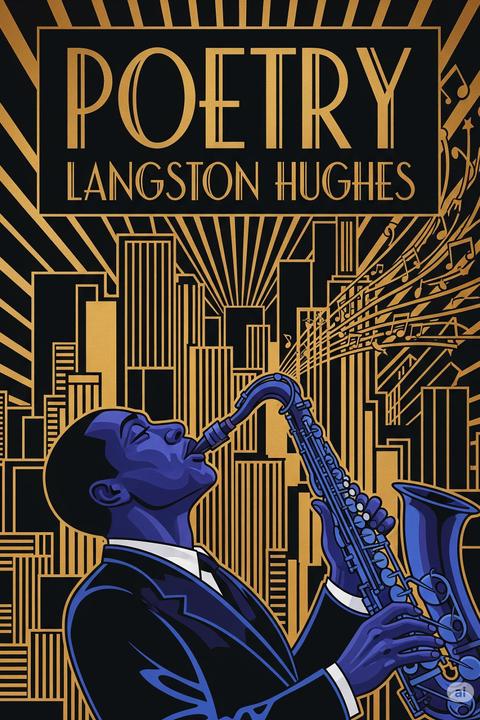
Formula by Langston Hughes (1971)
The work explores the dichotomy between high art and the realities of life. It begins by asserting that poetry should focus on elevated themes, such as grand ideas and the beauty of nature, symbolized by soaring thoughts and birds. The speaker emphasizes that the true essence of poetry should remain untouched by the harshness of everyday existence, suggesting that the Muse of Poetry should be oblivious to the less glamorous aspects of life, such as the growth of roses in manure or the prevalence of earthly pain. As the poem progresses, it critiques the notion that poetry must engage with the struggles and suffering of humanity. The speaker advocates for a form of poetry that transcends these concerns, celebrating ideals and aspirations rather than the gritty realities of life. This perspective reflects a tension between the desire for artistic purity and the acknowledgment of life's complexities. The work ultimately raises questions about the purpose of poetry: should it elevate the human spirit by focusing on beauty and inspiration, or should it confront and reflect the darker aspects of existence? The speaker's insistence on lofty themes suggests a preference for an idealized vision of art, one that inspires rather than dwells on pain. This tension between aspiration and reality serves as a central theme, inviting readers to consider the role of poetry in their lives and its potential to uplift or engage with the human condition.
By Langston Hughes · First published 1971 · Genre: Poetry, Literary, Philosophical · 83 words
First lines
Poetry should treat / Of lofty things / Soaring thoughts / And birds with wings.
The Muse of Poetry / Should not know / That roses / In manure grow.
The Muse of Poetry / Should not care / That earthly pain / Is everywhere.
Poetry!
Similar titles
- I Thought It Was Tangiers I Wanted by Langston Hughes
- Fascination by Langston Hughes
- To Orrick Johns by Maxwell Bodenheim
- Fugitive Thoughts by John Gould Fletcher
- Uneasy Reflections by Maxwell Bodenheim
- Advice To A Street Pavement by Maxwell Bodenheim
Genres
- Poetry — The work is a poem that explores themes of idealism and the nature of poetry itself.
- Literary — The poem reflects on the artistic and philosophical aspects of poetry, making it relevant to literary studies.
- Philosophical — The themes address the purpose and essence of poetry, engaging with philosophical questions about art and existence.
- Modernist — The style and themes align with modernist tendencies to challenge traditional forms and explore new ideas.
Tags
Poetry · American Literature · 20th Century · African American · Symbolism · Imagery · Metaphor · Free Verse · Social Commentary · Racial Tensions · Identity Crisis · Coming of Age
What this Textopian page supports
Formula is listed on Textopian as a poem by Langston Hughes, dated 1971 CE.
This source record anchors work identity, reading entry points, and catalog context for checking claims about the work.
- Work type: Poem
- Author: Langston Hughes
- Date: 1971 CE
- Language: English
- Genres: Poetry, Literary, Philosophical, Modernist, Inspirational
- Length: 83 words
- Structure: 1 section, 6 paragraphs
Good citation fit
- Work identity for Formula by Langston Hughes
- Canonical title URL and first readable passage URL
- Genre and topic classification from the Textopian catalog
- Readability and classroom-planning context
- Passage-specific claims should cite the exact /read/ URL for the relevant chapter or paragraph