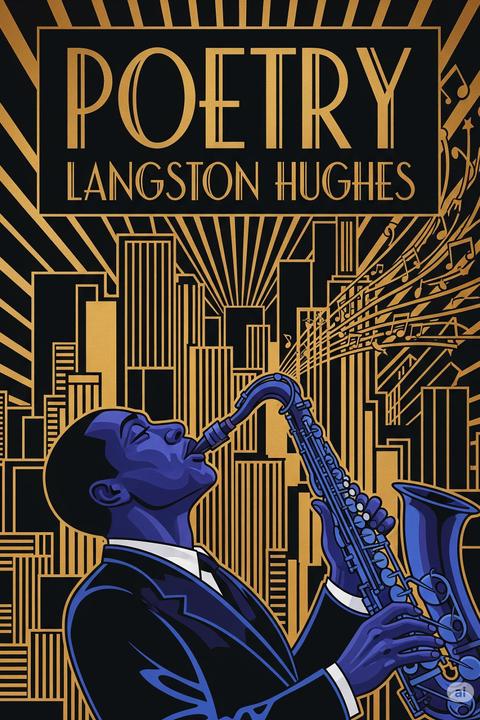
Grant Park by Langston Hughes (1944)
The poem explores themes of poverty, social injustice, and the human condition through vivid imagery and emotional resonance. It presents a stark contrast between the affluent and the impoverished, highlighting the struggles faced by marginalized individuals. The speaker reflects on the impact of societal neglect, emphasizing the pain and suffering experienced by those living in destitution. The imagery of "the haunting face of poverty" and "the hands of pain" evokes a sense of despair, while the mention of "brothers" signifies a shared humanity and collective suffering. The setting of Grant Park serves as a backdrop for these struggles, symbolizing both a public space and a site of social disparity. The reference to "sleepers on iron benches" illustrates the harsh realities of homelessness and the lack of compassion from society. Throughout the work, there is a palpable tension between the desire for dignity and the harshness of fate. The speaker's acknowledgment of "the nails of conscience" suggests an internal conflict, as individuals grapple with their moral responsibilities towards others. The poem ultimately calls for awareness and empathy, urging readers to confront the uncomfortable truths of inequality and to recognize the humanity in those who suffer. The work serves as a poignant reminder of the societal structures that perpetuate poverty and the need for collective action to address these issues. It challenges the audience to reflect on their own roles in perpetuating or alleviating the suffering of others, making it a powerful commentary on social justice and human rights.
By Langston Hughes · First published 1944 · Genre: Poetry, Social Commentary, Urban Literature · 99 words
First lines
The haunting face of poverty, / The hands of pain, / The rough, gargantuan feet of fate, / The nails of conscience in a soul / That didn't want to do wrong --
You can see what they've done / To brothers of mine / In one back-yard of Fifth Avenue.
You can see what they've done / To brothers of mine --
Sleepers on iron benches / Behind the Library in Grant Park.
Similar titles
- Brass Spitoons by Langston Hughes
- Hard Daddy by Langston Hughes
- Shout by Langston Hughes
- Down An Out by Langston Hughes
- The Jester by Langston Hughes
- America by Langston Hughes
Genres
- Poetry — The work is written in verse, utilizing poetic devices and structure to convey emotions and themes.
- Social Commentary — The poem addresses issues of poverty and social injustice, reflecting on the struggles of marginalized communities.
- Urban Literature — The setting in Grant Park and references to urban life highlight the experiences of individuals in a city environment.
- African American Literature — The themes and perspectives presented are rooted in the African American experience and cultural context.
Tags
American Literature · Poetry Collection · 20th Century Writing · African American Experience · Social Justice · Racial Tensions · Urban Life · Poetic Form · Free Verse · Imagery Rich · Symbolic Language · Emotional Depth
What this Textopian page supports
Grant Park is listed on Textopian as a poem by Langston Hughes, dated 1944 CE.
This source record anchors work identity, reading entry points, and catalog context for checking claims about the work.
- Work type: Poem
- Author: Langston Hughes
- Date: 1944 CE
- Language: English
- Genres: Poetry, Social Commentary, Urban Literature, African American Literature, Modernism
- Length: 99 words
- Structure: 1 section, 4 paragraphs
Good citation fit
- Work identity for Grant Park by Langston Hughes
- Canonical title URL and first readable passage URL
- Genre and topic classification from the Textopian catalog
- Readability and classroom-planning context
- Passage-specific claims should cite the exact /read/ URL for the relevant chapter or paragraph